The pre loved fashion market is no longer a hidden corner of the industry. It is a defining force reshaping how women around the world buy, wear, and think about designer pieces.
Why Second Hand Luxury Fashion Is Booming Right Now
Between 2018 and 2026, second hand luxury fashion shifted from niche to mainstream, powered by platforms like Vestiaire Collective, The RealReal, and eBay’s authenticity program. The global second-hand luxury goods market was valued at over US$7 billion in 2022, and is projected to reach US$15.4 billion by 2028. This is not a passing trend – it is a structural shift in the luxury industry.
Pre-owned luxury items often cost 30% to 70% less than new. A Louis Vuitton Neverfull MM that retailed around $1,960 in 2024 regularly resells between $900 and $1,300 depending on condition. Buying second-hand luxury fashion offers significant cost savings without sacrificing quality or style.
The environmental case is equally compelling. Buying pre-owned reduces the demand for new production, and lifecycle studies show that buying second hand can reduce climate impact and energy demand by as much as 42% compared to buying new. Second-hand luxury fashion extends the life of clothing, and circular fashion keeps designer bags and accessories in circulation instead of landfills. Buying second-hand fashion reduces waste and saves resources across the supply chain.
Culturally, the shift is just as real. Preloved luxury hashtags on Instagram, TikTok, and Pinterest have normalized second hand designer shopping, and buying pre loved fashion is now seen as savvy, stylish, and smart – especially among Gen Z and millennials. Second-hand luxury fashion supports circular fashion initiatives that are becoming central to modern personal style.
This article will show you where to shop online, how to guarantee authentic luxury, which pieces to buy, and how to sell for maximum value.
Understanding Second Hand Luxury: What Counts as Preloved Designer
Not every used item qualifies as preloved luxury. Here is how the categories break down:
- Second hand refers broadly to any previously owned clothing or accessories.
- Pre loved implies the item was cared for and remains in good condition.
- Vintage typically means 20+ years old – think 1990s Chanel flap bags or early-2000s Fendi Baguette styles.
- Archival/runway refers to specific season pieces, limited collaborations, or out-of-production styles with collector appeal.
Second-hand shopping provides access to vintage and rare items you simply cannot find at retail. The most popular categories include designer bags (the highest demand category), shoes, small leather goods, ready-to-wear clothing, fine jewellery, and watches. Chanel classics and rare Hermes handbags are popular second-hand items, as are pieces from brands like Gucci and Louis Vuitton.
Condition grading matters enormously. Most platforms use tiers:
| Grade | Description | Price Impact |
|---|---|---|
| Pristine | Essentially unused | Highest resale |
| Excellent | Minimal signs of wear | Strong resale |
| Very Good | Light wear, well maintained | Moderate discount |
| Good | Visible wear, fully functional | Significant discount |
| Fair | Noticeable wear or damage | Deepest discount |
Minor imperfections can lead to better pricing in second-hand luxury purchases. A bag in “good” condition might sell for $300–$400 less than a pristine equivalent.
Archival pieces like Prada Flame Patent Leather Heels from S/S 2012 are available second-hand and have become collectible. Fendi’s Rare Gold Leather Mamma Baguette is a sought-after second-hand item. Louis Vuitton x Takashi Murakami multicolore bags from the 2000s can sometimes increase in value. These dream items combine nostalgia, scarcity, and cultural cachet.
Authentic luxury second hand items should come with documentation or authentication, which leads to the next critical question.
Where to Shop Second Hand Luxury Fashion Online
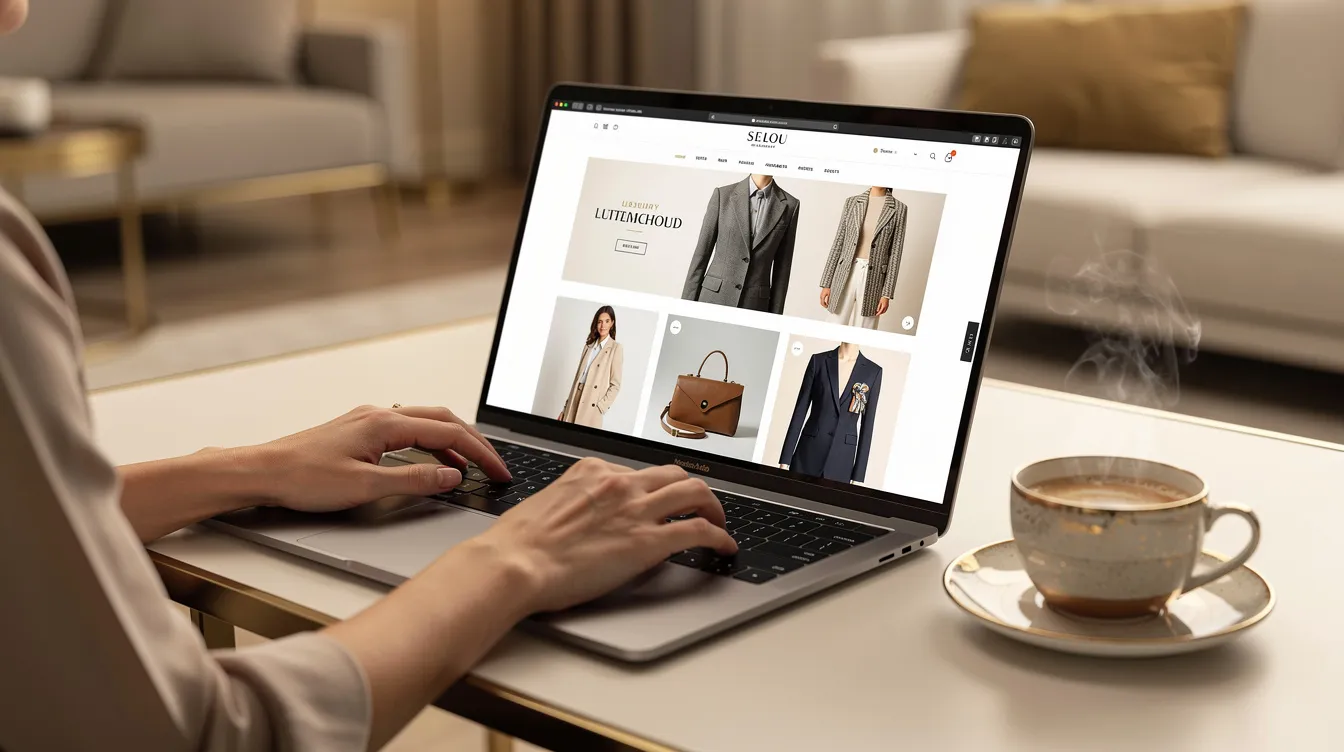
Most shoppers now prefer to shop online for second hand luxury because of wider selection, search filters, and buyer protections. But not every platform offers the same experience.
Platform types to know:
- Dedicated luxury resale sites: Vestiaire Collective, Fashionphile, and Rebag offer carefully curated inventories with in-house authentication. Platforms like The RealReal and Vestiaire Collective verify luxury items before they reach buyers. Luxury resale platforms are growing rapidly in Europe, with Sellier Knightsbridge emerging as Europe’s fastest growing luxury resale platform.
- Large marketplaces: eBay offers an authenticity guarantee for luxury fashion items, covering designer bags and sneakers. Fashionphile reported a 108% rise in searches for vintage designer handbags in 2025 – a clear sign of demand.
- Boutique and consignment shops: Many high-end second hand boutiques in London, Paris, and New York now list their collection online, offering a range of rare finds and carefully curated selections.
Luxury resale platforms often feature designer bags and shoes as their core categories. They also help extend the life of clothing by keeping quality pieces circulating.
How to evaluate a platform before you purchase:
- Clear return policies and buyer protections
- Detailed product photography from multiple angles (interior, hardware, corners)
- Transparent condition descriptions
- Visible authentication processes or guarantees
How to Identify Authentic Luxury When Buying Second Hand
Authentication is non-negotiable. The counterfeit rate for luxury brands like Louis Vuitton, Chanel, Gucci, and Hermes is high, and buyers should expect fakes exist in the world of resale. Authenticity checks ensure high-quality fashion items and protect your investment.
General authentication principles across brands:
- Quality of leather, hardware weight, and stitching consistency
- Alignment and symmetry of logos and monograms
- Brand-accurate fonts, stamps, and engravings
- Consistent craftsmanship throughout the item
Louis Vuitton mini-checklist:
Until around March 2021, LV bags carried printed date codes indicating factory and production date. Post-2021, many LV items moved from date codes to embedded RFID/NFC microchips hidden in linings. Check canvas texture, vachetta leather color, heat stamps, and hardware consistency.
Chanel authentication notes:
Chanel serial number stickers and authenticity cards changed across eras – earlier series used 6-digit codes, later moving to 7-digit and 8-digit codes. Chanel introduced microchips in some bags around 2021–2022. Knowing the production year of a specific bag is essential for accurate verification.
Third-party authentication services (both digital and in-person) typically charge $20–$60. For a four-figure designer bag – especially a rare Hermes Birkin or Kelly – this is a worthwhile purchase. Authenticators often have over 30 years of experience in luxury brands, and their expertise can save you from costly mistakes.
Trusted resale platforms ensure authentication of luxury items. Buddy&Selly tests all items for authenticity before selling. eBay offers an authenticity guarantee for luxury items. Authenticity guarantees are common for second-hand luxury items across the industry. All items on reputable platforms come with an authenticity guarantee.
Always buy from platforms that offer guarantees, and keep all documentation and receipts to protect future resale value.
What to Buy: Best Second Hand Luxury Pieces to Invest In
Not all second hand luxury fashion holds value equally. Some designer bags and accessories become wardrobe staples that appreciate over time, while trend-led pieces can date quickly.
Investment-grade designer bags:
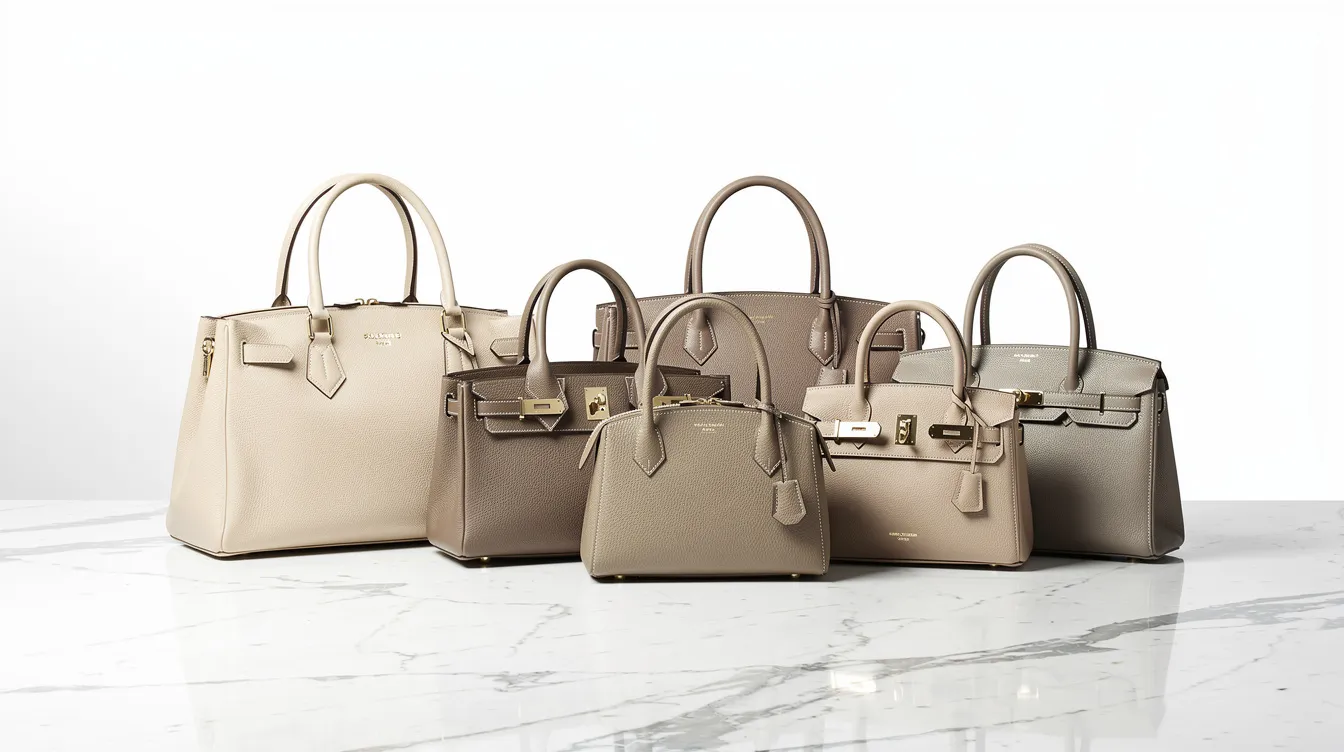
- Hermès Birkin and Kelly – limited production, long waiting lists at retail, consistently high resale demand
- Chanel Classic Flap – caviar or lambskin leather in black or beige; medium and jumbo sizes resell best
- Louis Vuitton Speedy and Neverfull – monogram canvas versions have the broadest demand
- Dior Lady Dior and Saddle – recognizable silhouettes with strong fashion heritage
- Fendi Baguette – especially early 2000s archival versions riding a wave of nostalgia
Neutral colors in classic sizes consistently outperform statement shades. Luxury items may retain or increase in value over time, particularly when condition is excellent. Researching original retail prices helps avoid overpaying for luxury goods.
Entry-level shoes and accessories:
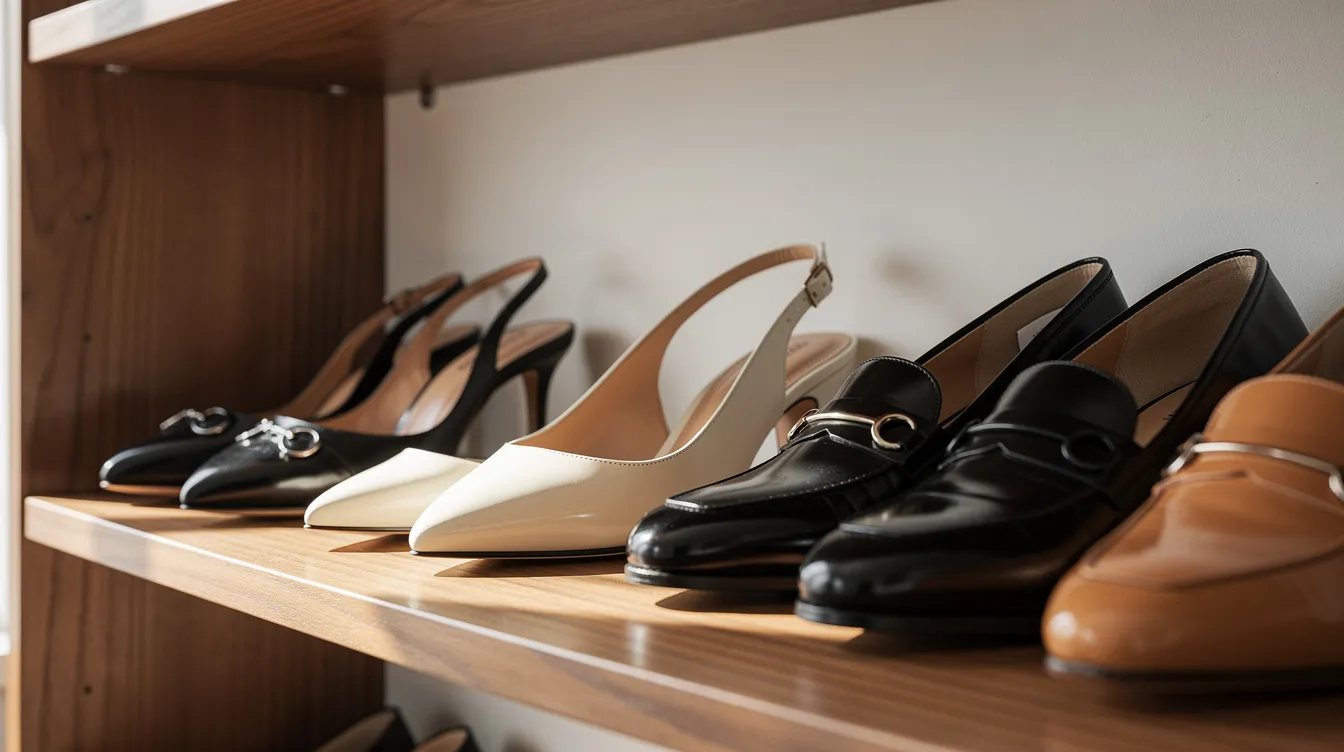
Chanel slingbacks, Manolo Blahnik Hangisi pumps, Gucci Jordaan loafers, and Hermes Oran sandals are more affordable gateways into preloved luxury. Belts, scarves, and small leather goods also retain value well.
Archival and runway pieces like Prada Flame patent heels, Louis Vuitton x Takashi Murakami collaborations, and Chloé “It” bags from the early 2000s have risen in both cultural status and price. These are higher-risk but can reward collectors.
Balance timeless staples with a few statement pieces. Think about cost per wear: buying a classic blazer or trench from a luxury brand second hand that you will wear 50+ times offers far better value than a trend-led dress at full price. A suit jacket, quality jeans, or a summer blouse from your favourite brands can become the foundation of a capsule wardrobe.
How to Shop Second Hand Luxury Fashion Like a Pro
Shopping second hand luxury fashion confidently comes down to preparation and patience.
Set a clear budget and wish list. Before you search any website, list specific items – for example, “black leather crossbody designer bag under $1,000” or “pre loved camel Max Mara coat.” Rank them by priority. Having a focused list prevents impulse buys and keeps you locked on your dream items.
Use platform filters effectively. Narrow by size, color, brand, condition, price, and category. Set alerts for specific searches like “preloved Louis Vuitton Neverfull MM monogram” so you are notified the moment items drop. This is how you discover pieces before the competition.
Read listings critically:
- Look for daylight photos and close-ups of corners, handles, and hardware
- Check interior shots, logos, and serial numbers
- Note any disclosed damage or wear
- Avoid sellers who refuse extra photos of high-value bags
Negotiate and time your purchase. Some sites allow offers, and prices on second hand luxury can dip at month-end, during major holidays, or when new-season trends hit. Shopping off-season may reveal better deals in second-hand markets – a winter coat bought in summer or a wedding guests dress found in autumn can save you significantly. Track an item over a week or two if the price feels steep.
Check logistics before you buy. Shipping costs, customs duties for cross-border orders (especially from the UK or EU to the US), and return policies can eat into savings. Factor these into the total price before confirming your purchase. Being free of surprise fees is part of shopping smart.
Caring for Your Preloved Luxury Wardrobe
Proper care protects both your enjoyment and your resale value – especially for leather bags, shoes, and delicate clothing.
Storage tips for designer bags:
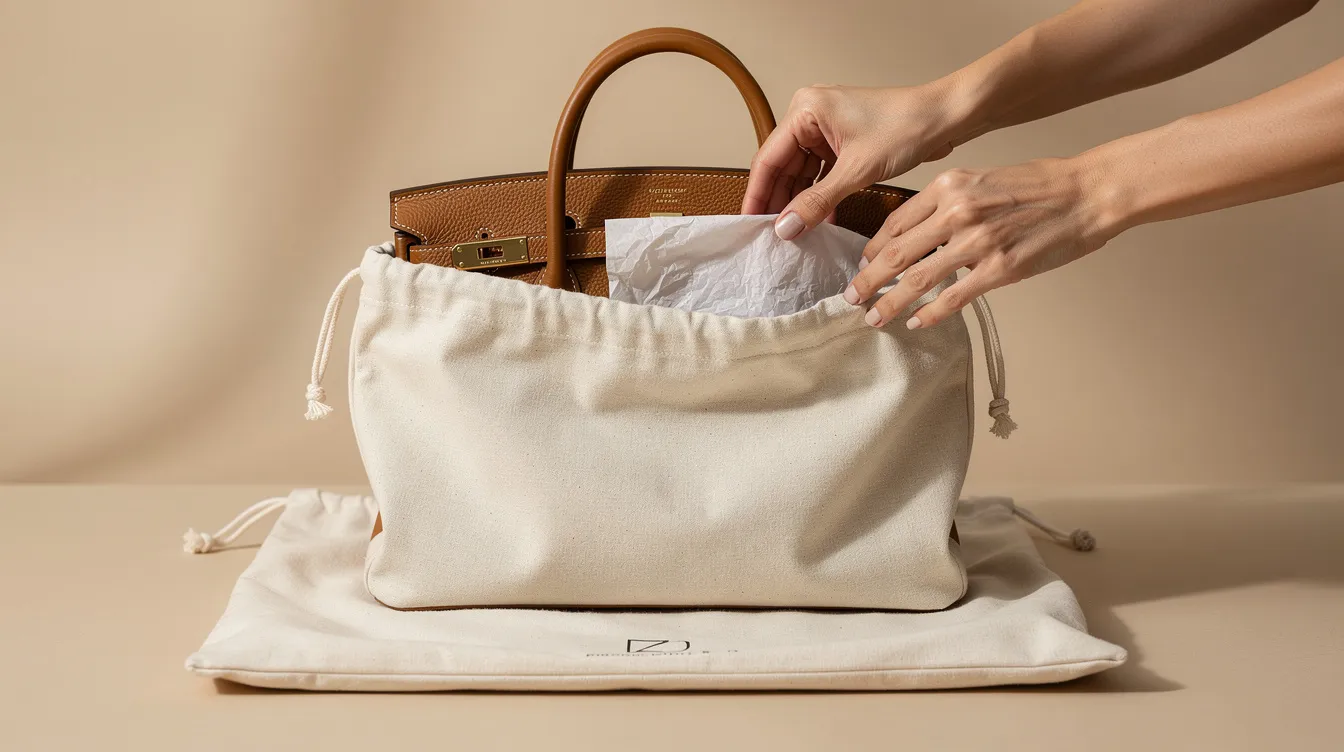
- Keep stuffed with acid-free tissue to maintain shape
- Store in dust bags upright, not stacked or hanging by handles
- Keep away from direct sunlight and humidity – Louis Vuitton vachetta leather can darken noticeably if left in bright light
Leather and suede care:
- Use pH-balanced cleaners only
- Spot-test conditioners on a hidden area first
- Use suede brushes and protectant spray for nubuck and suede accessories
- See a professional cobbler for serious damage to shoes or hardware
Ready-to-wear tailoring: A good tailor can modernize the fit of a vintage blazer, blouses, or trousers, making second hand luxury clothing feel custom and current.
Preserve documentation. Keep original boxes, dust bags, authenticity cards, and receipts. These increase the resale price and buyer confidence if you choose to sell later.
Eco-conscious care: Air and spot clean before resorting to dry cleaning. Choose specialist cleaners experienced with luxury fabrics and embellishments. This protects both the environment and the life of your garment.
Selling Your Second Hand Luxury: Turning Your Wardrobe into an Asset
A luxury wardrobe is a rotating asset. You can recirculate pieces through second hand platforms, recovering part of your original spend and giving your luxury second hand items a new home.
When to sell:
- Items unworn for 12+ months
- Impulse purchases that no longer match your personal style
- Designer bags with strong current resale demand (mini crossbodies, neutral totes)
Preparing items for sale:
- Clean and condition leather before photographing
- Shoot in natural light against a neutral background
- Show all angles and flaws honestly – snap close-ups of logos, serial numbers, and hardware
- Include any original packaging, cards, or receipts
Selling routes compared:
| Route | Effort | Commission | Payout Potential |
|---|---|---|---|
| Consignment (e.g., Vestiaire Collective, The RealReal) | Lower | Higher (15–35%) | Moderate |
| Peer-to-peer (e.g., eBay, Depop) | Higher | Lower (5–15%) | Higher |
| Hand shop / boutique consignment | Moderate | Variable | Depends on location |
Research current market prices by checking sold listings for similar items. Adjust your expectations for condition, age, and whether original packaging is included. Your passion for these pieces should come through in honest, detailed listings.
The same principles – authenticity, transparency, and care – benefit you as a seller just as much as when you are a buyer of preloved luxury. Whether you buy or sell, the news is clear: the resale market is growing three times faster than first-hand luxury, and it is not slowing down. Start with one item on your wish list, set your alerts, and step into the world of second hand luxury fashion with confidence.