Most anti aging products overpromise. The marketing in this category is relentless, and in 2026 the sheer volume of launches, reformulations and “breakthrough” claims makes it harder than ever to separate what genuinely works from what just sells well. Strip it back, though, and the dermatologist recommended anti aging skincare routine that actually moves the needle on skin concerns hasn’t changed dramatically: it’s still built around daily sunscreen, a retinol serum, hydrating layers like hyaluronic acid, and a simple, consistent night routine.
Over the counter products such as wrinkle creams and anti aging cream formulas can meaningfully improve fine lines and wrinkles, but only when they contain proven anti ageing ingredients at effective concentrations – retinoids, vitamin c, peptides, niacinamide – and are used consistently for 8 to 12 weeks. Key active ingredients for anti aging include retinoids, vitamin C and hyaluronic acid, and consistency with your skin care routine is often more important than the number of steps in it.
Let’s be clear about what “signs of ageing” actually means: fine lines, dark circles, age spots, dull skin, loss of firmness. Good skincare products can improve and prevent these visible signs, but no facial products or serum will deliver a non-surgical facelift. This guide is UK-focused but relevant to US readers too, and prioritises accessible anti aging products from Amazon UK and LookFantastic. For more detail, our dedicated guides on retinol, anti-ageing serums, and glass skin go deeper on each topic.
How skin actually ages: from your 20s to your 60s and beyond
Your skin loses collagen and elastin as you age, and it starts earlier than most people realise. Collagen production begins declining in your mid-20s at roughly 1% per year, and accelerates sharply after 40. After menopause, women can lose around 30% of their remaining collagen within just five years. This progressive loss is what drives fine lines, wrinkles, sagging and the gradual thinning that makes ageing skin more delicate.
Oil production decreases with age too, leading to dryness in ageing skin that wasn’t there before. Cell turnover slows, causing a dull skin appearance as dead skin cells linger on the surface longer. The skin barrier becomes more fragile, especially for those with naturally dry skin or anyone who over-exfoliates.
Repeated facial expressions – smiling, frowning, squinting – combined with years of sun exposure create crow’s feet, frown lines and deeper wrinkles that eventually etch in permanently. Pigmentation changes follow: age spots, uneven skin tone and under-eye dark circles are all linked to cumulative UV damage and sluggish cell renewal.
There are two forces at work here. Intrinsic ageing is driven by genetics and hormonal shifts, while extrinsic ageing comes from environmental stressors like UV, pollution and smoking. Environmental stressors contribute significantly to fine lines and wrinkles. The reassuring part is that skincare mainly targets the extrinsic side, which is also the side you have the most control over.
The 2026 anti-aging skincare routine at a glance (AM & PM)
An effective anti aging skincare routine focuses on prevention and cellular renewal, not on stacking ten serums. Here’s the framework that actually delivers results across all skin types.
Morning – protect and prevent:
- Gentle cleanser (or just water for very dry skin)
- Vitamin c serum (10–20% l ascorbic acid, or a gentler derivative)
- Lightweight hyaluronic acid serum for hydration
- Moisturiser matched to your skin type
- Broad spectrum spf 30–50+ – non-negotiable
Evening – repair and renew:
- Cleanse (double cleanse if wearing waterproof SPF or heavy makeup)
- Retinol serum or retinal serum (building frequency gradually)
- On off-nights: peptide or niacinamide serum instead
- Rich moisturiser or night cream; for very dry skin, layer a face oil on top
That’s it. Three to five well-chosen products used daily outperform a 10-step routine stuffed with overlapping anti ageing serums. The “glass skin” look that dominates social media isn’t a separate category – it’s the visible result of a well-hydrated, well-protected skin barrier reflecting light evenly.
To adapt: gel textures and lightweight fluids suit oily or combination skin; cream cleansers, thicker moisturisers and richer serums suit dry or mature skin; and fragrance free minimal routines are best for sensitive skin prone to redness or reactivity.
Step 1 – Cleansing ageing skin without stripping it
As skin ages, its pH drifts upward and barrier resilience drops, which means harsh foaming cleansers and bar soaps that felt fine at 25 can leave mature skin tight, dry and irritated. The fix is straightforward: switch to a low-foaming, pH-balanced cleanser and use it morning and night. Some people with very dry skin find that a lukewarm water rinse or a cream cleanser is enough in the morning.
Texture matters. Gel cleansers suit combination or oily skin. Creamy or milky cleansers work better for dry skin. If your skin is rosacea-prone or reactive, look for fragrance free formulations without essential oils.
Cleanse properly: 30 to 45 seconds of gentle massage, lukewarm water, no “squeaky clean” tight feeling afterwards. Double cleansing is useful when removing waterproof sunscreen or heavier makeup, but doing it twice daily or scrubbing aggressively damages the skin barrier and worsens redness and fine lines. Think of cleansing as the foundation that allows your more expensive serums and treatments to absorb effectively.
Step 2 – Daily SPF: the non-negotiable anti-aging product
Daily sunscreen use prevents premature skin ageing from UV exposure – more effectively than any retinol serum, anti aging cream or wrinkle cream you can buy. Using SPF 30 or higher is recommended for effective sun protection, and a broad spectrum sunscreen protects against both UVA and UVB rays: UVA penetrates deep into skin causing collagen breakdown and pigmentation, while UVB burns the surface.
UV exposure contributes to fine lines, wrinkles and pigmentation, even through glass and on overcast days. Sunscreen is essential for maintaining younger looking skin over decades. Without daily sun protection, every other active in your routine is fighting a losing battle against ongoing sun damage.
SPF rules to live by:
- Wear sunscreen every single morning, 365 days a year
- Apply at least two finger-lengths of product to face and neck
- Reapply every two hours when outdoors
- Apply after moisturiser and before makeup
- Choose at least spf 30, ideally SPF 50 for prolonged exposure
Chemical filters absorb uv rays; mineral filters (zinc oxide, titanium dioxide) physically block them. Mineral formulas often suit sensitive skin or redness-prone skin better. For oily skin, ultralight fluids prevent greasiness. For dry skin, SPF creams that double as moisturisers add hydration.
Common complaints – white cast, pilling, greasy finish – usually mean you haven’t found the right texture yet, not that sunscreen doesn’t work for you. Test different filters and formats until you find one you’ll actually use daily, because the best SPF is the one you’ll wear consistently to protect skin from further damage and prevent wrinkles forming in the first place.
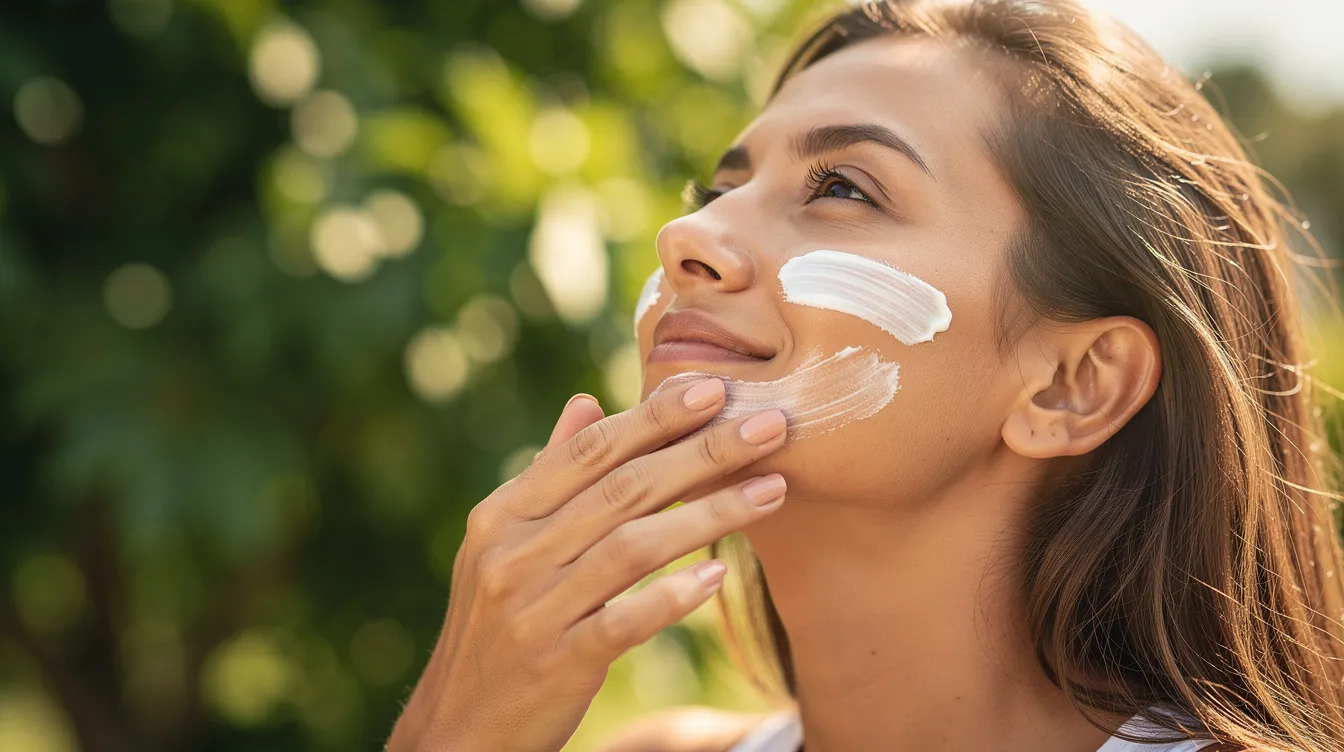
Step 3 – Retinol and retinoids: still the gold standard
Retinoids stimulate collagen and elastin production, speed up cell turnover, and improve fine lines and wrinkles, visible pores, and uneven tone. They have decades of clinical data behind them, and nothing launched since has matched their breadth of evidence. A pilot clinical study published in April 2026 tested a retinol emulsion on women with moderate-to-severe photoaging over six months: by day 180, 76.2% of participants improved to “fine wrinkles only” on a standardised scale.
The retinoid family runs from gentle to potent. Over the counter retinol serum formulas convert slowly to retinoic acid in the skin, making them more tolerable for beginners. Retinal (retinaldehyde) sits one conversion step closer to the active form, offering a middle ground. Prescription tretinoin is the most potent retinoid with the strongest data, but also the highest risk of skin irritation and requires medical supervision.
For beginners, a simple retinol ladder works well: start with a low-strength serum two nights per week for two weeks. Build to every other night, then nightly as tolerated, always followed by moisturiser. Apply at night only, on dry skin, a pea-sized amount for the whole face. Avoid the immediate eye and lip area initially. Never combine with strong exfoliating acids on the same night until you’ve built tolerance.
Common side effects include dryness, flaking and retinoid dermatitis. The “sandwich” method – moisturiser, then retinol, then moisturiser – helps minimise these for sensitive or dry skin types. Retinoids are not recommended during pregnancy or breastfeeding; bakuchiol or peptide serums serve as gentler alternatives during that period. Results that reduce wrinkles and improve the appearance of fine lines typically take 8 to 12 weeks of consistent use, with deeper wrinkles responding over 6 to 12 months.
Step 4 – Vitamin C and antioxidant serums for daytime protection
Vitamin C helps protect against skin-aging free radicals generated by UV and pollution, while simultaneously boosting collagen production and brightening uneven skin tone, dullness and dark spots. It’s the ideal morning active because it provides antioxidant protection that works alongside your SPF rather than competing with it.
The gold standard form is l ascorbic acid at concentrations between 10% and 20%. A systematic review of seven randomised trials found this range optimal for brightening and photoprotection, with concentrations above 20% adding irritation without proportional benefit. However, l ascorbic acid is unstable and can sting reactive skin. Gentler derivatives – magnesium ascorbyl phosphate, ascorbyl glucoside – suit those who find pure vitamin c products too harsh.
Apply three to four drops of your vitamin c serum after cleansing on dry skin in the morning, wait a minute, then follow with a hydrating serum and moisturiser before SPF. Don’t use vitamin C in the same routine as retinol; keep vitamin C to mornings and retinoids to evenings to minimise irritation. Naturium vitamin C serums and similar affordable options can deliver effective concentrations without a prestige price tag.
Look for serums that also include ferulic acid and vitamin e, which stabilise vitamin C and amplify its antioxidant and anti-ageing effects. For those who can’t tolerate any vitamin C, niacinamide or resveratrol-based serums offer barrier-friendly alternatives with their own brightening and protective credentials.
Step 5 – Hydration layers: hyaluronic acid, glycerin and beyond
Maintaining water content in the skin reduces the look of fine lines and wrinkles, helps the skin barrier function properly, and contributes to that coveted glass skin effect. Hyaluronic acid maintains hydration and prevents moisture loss by holding up to 1,000 times its weight in water within the skin’s upper layers. Glycerin is a humectant that draws moisture into the skin in much the same way, and it’s one of the most reliable hydrators available at any price point.
Humectants work best when sealed in with a moisturiser, not used alone. Apply a thin layer of hydrating glycerin or hyaluronic acid serum to damp skin, then immediately follow with your moisturiser to lock that water in. Without occlusion, humectants can actually pull moisture out of the skin in dry environments.
Key hydrators to look for on INCI lists:
- Hyaluronic acid / sodium hyaluronate
- Glycerin
- Polyglutamic acid
- Aloe vera extract
- Panthenol (provitamin B5)
For oily or acne-prone skin, a lightweight hydrating gel serum is enough. For normal to dry or mature skin, thicker hyaluronic acid serums layered under ceramide creams give better results. Topical collagen molecules found in some anti aging cream formulas are generally too large to penetrate the skin deeply; their effects are mostly surface-level plumping. If you want to stimulate actual collagen, you’re better served by peptides, retinoids and vitamin C than by rubbing collagen on top.
Step 6 – Moisturisers and anti-aging creams: sealing in benefits
A good moisturiser does more than feel comfortable. It reduces transepidermal water loss, supports the skin barrier, and makes active ingredients like retinol and vitamin C more tolerable – especially during the first weeks of introducing them. Moisturisers improve comfort and smoothness in ageing skin, and they’re the step that holds your entire routine together. Skin loses moisture as oil production decreases with age, making a well-formulated moisturiser increasingly important over time.
Effective anti aging cream formulas contain three categories of ingredients: humectants (hyaluronic acid, glycerin) to attract water, emollients (squalane, plant oils, triglycerides) to smooth and soften, and occlusives (petrolatum, dimethicone) to seal everything in. Ceramides support the skin barrier and enhance moisture retention, making them especially valuable in night creams for ageing skin.
Choose texture and richness based on your skin type and climate. A gel-cream suits combination skin in warmer weather. A rich cream with ceramides and squalane works better for dry or mature skin. For eczema-prone or very sensitive skin, look for fragrance free and paraben free formulas without unnecessary additives. Some people also prefer cruelty free certified options, which are increasingly available at every price tier.
Some moisturisers double as treatments by including peptides, niacinamide or gentle retinoids, but you don’t need every active ingredient in one jar. Day formulas may include SPF or sit well under makeup, while night creams focus on barrier repair and comfort after stronger actives. Budget pharmacy options can perform just as well as prestige formulas – concentration and formulation matter far more than the brand name.
Step 7 – Peptides, niacinamide and other supporting actives
Peptides signal the skin to build new collagen and improve firmness. They work as signalling molecules that encourage fibroblasts to ramp up production, and a 2025 systematic review of 19 randomised trials with 1,341 participants confirmed that peptides significantly improved skin hydration and brightness. Wrinkle reduction was more modest but still statistically meaningful, making peptides a valuable supporting layer alongside retinol and SPF rather than a replacement.
Niacinamide improves skin elasticity and reduces fine lines while also strengthening the barrier, regulating oil, and reducing redness. It’s ideal for ageing skin that’s also reactive or prone to breakouts, because it calms rather than irritates. A 5% niacinamide serum used consistently can help soften fine lines and improve an uneven skin tone within 4 to 8 weeks.
Other gentle supporting actives worth knowing about include ectoin, ceramides, and growth factor serums, all of which calm inflammation and repair the barrier when skin has been over-treated with retinoids or strong acids.
When to add a peptide or niacinamide serum:
- Your skin reacts to retinol and you need gentler collagen support
- You want a daytime active that layers well under SPF
- Early signs of ageing but very sensitive or rosacea-prone skin
- Off-nights from retinol when you want barrier repair, not exfoliation
These ingredients are optimisers, not the foundation. They soften lines and smooth texture, but they cannot replace retinoids and SPF as the core anti-ageing tools. Expect visible improvements after 4 to 12 weeks of consistent use.
Step 8 – Eye creams and treatments for dark circles and crow’s feet
The eye area shows signs of ageing first because the skin there is thinner, has fewer oil glands, and endures constant movement from blinking and squinting – plus cumulative sun exposure. The result is crow’s feet, crepiness, dark circles and puffiness that can make you look tired regardless of how much sleep you got.
Set realistic expectations: a dedicated eye cream can hydrate, brighten and modestly soften lines around the eyes, but it won’t fully erase deep hollows, hereditary dark circles or significant under-eye bags. Those are structural issues that topical skincare can only partially address.
Helpful ingredients in eye cream formulas include caffeine (reduces puffiness by constricting blood vessels), peptides and low-strength retinoids (for fine lines), light-reflecting particles (for immediate brightening), and hyaluronic acid with glycerin for hydration. Dark circles specifically have multiple causes: thin skin revealing blood vessels, melanin-driven pigmentation, structural hollows from volume loss, and lifestyle factors like poor sleep and allergies. Only the pigmentation component responds well to topical brightening; vascular and structural causes often need cosmetic procedures.
Apply a rice-grain amount with your ring finger, tapping gently around the orbital bone. Avoid pulling or dragging the skin. And always pair your eye area routine with sunglasses and SPF – prevention matters here just as much as treatment. Good sleep, adequate hydration and managing allergies will often do more for under-eye dark circles than any single product can.
Step 9 – Targeting pigmentation, age spots and uneven tone
Age spots – technically solar lentigines – and post-inflammatory hyperpigmentation appear on the face, hands and chest after years of accumulated sun exposure. They’re caused by localised melanocyte overactivity and pigment deposited in the epidermis, and they’re one of the most common skin concerns in ageing skin, including in dark skin tones where hyperpigmentation can be particularly persistent and harder to treat without irritation.
Key brightening and pigment-regulating ingredients include vitamin C (inhibits tyrosinase), niacinamide (disrupts melanin transfer), alpha-arbutin, azelaic acid (effective and gentle), and glycolic acid, which helps reverse photodamage and fade hyperpigmentation by accelerating surface turnover. Retinoids also address dark spots by pushing fresh skin cells to the surface faster. Each works through a slightly different mechanism, which is why dermatologists often recommend combining two or three at moderate strengths rather than using one at maximum intensity.
Strict, daily SPF use is non-negotiable when treating pigmentation. Without UV protection, new age spots form and existing ones darken despite whatever active serums you apply. There is no shortcut around this.
When introducing brightening actives into a routine that already includes retinol, avoid piling too many strong acids on at once. Alternate nights and monitor for skin irritation, particularly if you have dry or sensitive skin. A practical sequence: start with vitamin C and SPF, add niacinamide or azelaic acid after a few weeks, and only consider stronger chemical peels or in-clinic treatments if progress stalls.
One important note: any skin change – a spot that shifts in border, colour or size, or looks different from others – should be assessed by a dermatologist to rule out skin cancer before you attempt any cosmetic treatment. Achieving an even skin tone safely always starts with ruling out anything serious.
Step 10 – Exfoliation: how much is enough for ageing skin?
Cell turnover naturally slows with age, which is why mature skin often looks dull and rough. Dead skin cells accumulate on the surface instead of shedding efficiently. Exfoliation helps, but ageing skin is also more easily over-exfoliated, so moderation is essential.
Chemical exfoliants are gentler and more predictable than physical scrubs for most people over 30. Alpha-hydroxy acids are exfoliants that help improve skin texture: glycolic acid gently exfoliates and fades hyperpigmentation, while lactic acid is a milder option better suited to dry or sensitive, mature skin. Beta hydroxy acids like salicylic acid work within pores and suit oily or congestion-prone skin. PHAs (polyhydroxy acids) are the gentlest option for very reactive skin types.
Frequency guidelines for ageing skin:
- 1 to 3 evenings per week, maximum
- Never on the same night as retinol when starting out
- Adjust based on dryness, tightness or irritation
Signs of over-exfoliation include stinging, chronic redness, a shiny-tight feeling, more breakouts, and paradoxically worsened fine lines from inflammation. If you notice these, stop all exfoliants and return to barrier-supporting products only – moisturiser, SPF, gentle cleanser – until your skin calms down. Think of exfoliation as an occasional booster, not a daily essential, especially when retinoids and vitamin C are already doing much of the renewal work.
Choosing the right anti-aging routine for your skin type
The core skin care routine – SPF, retinoid, antioxidant, moisturiser – stays the same regardless of skin types, but the textures, frequencies and extras shift depending on what your skin actually needs.
If your skin is oily or acne-prone, prioritise lightweight textures and non-comedogenic formulas. Oil-control niacinamide serums and adapalene (a retinoid that also treats breakouts) can double up on anti-ageing and clarity. Reduce heavy occlusives and skip rich sleeping masks that might clog pores. Gel moisturisers and fluid SPFs feel more comfortable and are more likely to be used consistently.
If your skin is dry, cream cleansers and richer anti aging creams with ceramides and squalane are your friends. Buffer retinol with moisturiser using the sandwich method and layer hyaluronic acid under emollient creams. CeraVe skin-friendly formulas and similar ceramide-rich pharmacy options offer good barrier support at accessible prices. A face oil layered over moisturiser at night can help lock in hydration without needing an extra step.
If your skin is sensitive or rosacea-prone, take a slow-build approach. Start with a barrier-supporting moisturiser and niacinamide before introducing any actives. Add low-strength retinol serum or bakuchiol weeks later, and keep exfoliation minimal. Fragrance free formulations are essential, not optional.
For combination skin, try zoning: oil-controlling products on the T-zone, richer creams on drier cheeks. Alternating actives on different nights prevents overload and lets you address different skin concerns without compromising the barrier anywhere.
Night routine vs morning routine: why timing matters
Certain ingredients belong at specific times, and getting this right makes every product in your routine work harder.
Morning is about protection. Vitamin C and antioxidant serums shield skin cells from UV and pollution damage throughout the day. Hydrating layers and moisturiser keep the barrier intact. SPF goes on last. This is when you protect skin from the external forces that cause premature ageing.
Evening is about repair. Your skin’s circadian rhythm favours regeneration at night, with more collagen synthesis and cell turnover happening while you sleep. This makes it the ideal window for retinol, retinal, and stronger treatment serums that stimulate repair. Peptide serums also work well at night, encouraging the rebuilding process that slows with age.
AM actives: vitamin C, niacinamide, hyaluronic acid, SPF PM actives: retinol or retinal, peptides (on off-nights), AHAs (1–3 nights/week, separate from retinol)
Key layering rules:
- Apply thinnest textures first, thickest last
- Water-based serums go before oil-based products
- Leave a minute or two between strong actives to reduce pilling
- Don’t mix retinol and strong AHAs on the same night when starting out
This AM/PM split isn’t about complication – it’s about using each product where it’s most effective and least likely to cause skin irritation.
Lifestyle factors that supercharge (or sabotage) anti-aging skincare
No serum can fully compensate for lifestyle habits that accelerate ageing. Sun exposure is the biggest external factor, but smoking, excess alcohol, high-sugar diets, chronic stress and poor sleep all take a measurable toll on skin over time.
Smoking and premature wrinkles are strongly linked. Nicotine constricts blood vessels, reducing oxygen and nutrient delivery to skin cells, while the repetitive facial motion of smoking etches lines around the mouth. No wrinkle cream can fully counteract that damage while the habit continues.
Diet matters more than most skincare marketing acknowledges. Adequate protein provides the amino acid building blocks for collagen production. Healthy fats (omega-3s from oily fish, flaxseed) support barrier function. Colourful vegetables supply antioxidants that work from the inside alongside your topical vitamin C and ferulic acid. Staying hydrated helps too, though drinking water alone won’t substitute for a good moisturiser.
High-quality sleep – seven to nine hours for most adults – directly impacts skin repair, cortisol regulation and under-eye dark circles. Consistent bedtimes and reducing screen time in the evening make a tangible difference over weeks.
Stress management through exercise, mindfulness or social connection lowers systemic inflammation, which in turn reduces flare-ups of eczema, rosacea and general skin sensitivity. The people who get the best results from anti aging skincare are almost always the ones combining good products with good habits, sustained over years rather than weeks.
When skincare isn’t enough: in-clinic anti-aging options
Sometimes topical products reach their ceiling, especially for deeper wrinkles, significant volume loss or stubborn pigmentation that hasn’t responded to consistent home care. That’s where in-clinic treatments come in – not as replacements for daily skincare, but as complements.
Botulinum toxin injections relax the muscles behind expression lines like frown lines and crow’s feet, softening them without affecting the skin’s surface. Dermal fillers restore volume in areas like cheeks and nasolabial folds. Microneedling creates controlled micro-injuries that trigger collagen remodelling. Chemical peels at professional strengths improve tone, texture and age spots beyond what over the counter exfoliants can achieve. Laser therapy and light-based treatments target pigmentation, redness and fine lines through controlled energy delivery to the skin.
All of these procedures work best on skin that’s already well-maintained with SPF, retinoids and moisturisers. Without a solid daily skin care routine, results fade faster and the risk of complications – pigmentation, scarring, prolonged redness – increases.
Choose qualified, board-certified dermatologists or reputable aesthetic practitioners, and be wary of unregulated or deeply discounted treatments, especially around the eyes. No procedure permanently stops ageing; maintenance sessions and ongoing skincare are always part of the equation.
Building a realistic 12-week anti-aging plan (and tracking results)
If you’re starting fresh or rebuilding your routine, a phased approach prevents overwhelm and lets you introduce one new active ingredient at a time to reduce irritation. Here’s a practical 12-week framework:
Weeks 1–4: Foundation Start with three products only: a gentle cleanser, a basic moisturiser and a broad spectrum sunscreen used every morning. If your skin tolerates it, add a vitamin C serum in the mornings by week 2 or 3. This phase is about establishing the habit and letting your skin barrier stabilise.
Weeks 5–8: Introduce retinol Add a low-strength retinol serum two nights per week, buffered with moisturiser. Gradually increase to three nights by week 7 or 8 if there’s no significant dryness or redness. Continue vitamin C in the mornings and SPF daily.
Weeks 9–12: Optimise Increase retinol frequency to every other night or nightly as tolerated. Optionally add a peptide or niacinamide serum on off-nights for additional barrier support and brightness.
Take well-lit, makeup-free photos at baseline and every four weeks, at the same time of day, to track changes in skin tone, fine lines and texture objectively. Keep notes on irritation, breakouts or improvements, and adjust one product at a time rather than overhauling everything when something feels off.
Your minimum effective routine checklist:
- One broad spectrum SPF (daily, non-negotiable)
- One retinol serum (building frequency over weeks)
- One antioxidant serum (vitamin C or alternative)
- One solid moisturiser (matched to your skin type)
Anti aging skincare is a long-term investment. Most visible improvements in fine lines and pigmentation take two to three months. Deeper changes in firmness and texture appear over six to twelve months. The routines that deliver younger looking skin aren’t the most complicated or the most expensive – they’re the ones people actually stick with. Small, consistent steps now will pay off in how your skin looks and feels in 2027 and beyond.