This article contains affiliate links. If you buy through them, we may earn a small commission at no extra cost to you.
A bronzed makeup look is the closest thing makeup has to a holiday: warmth on the cheeks, a bit of glow on the high points, eyes that look rested rather than done. Done well, it reads as healthy skin. Done badly, it reads as a stripe of orange along the cheekbone. The difference is almost never the product. It comes down to where you put it, how much, and what you layer underneath.
This guide walks through the full routine step by step, then shows how to adjust it for your skin tone, your skin type and the occasion, from a five-minute natural version to a glowy evening look with bronze eyes.
What is a bronzed makeup look?
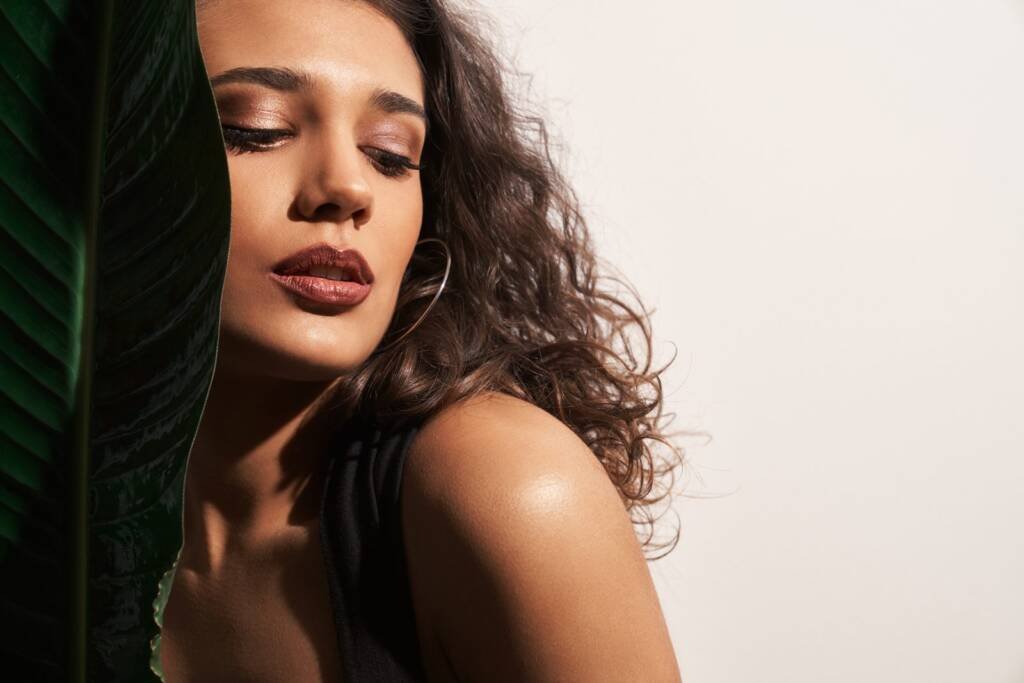
A bronzed makeup look uses warm, sun-kissed tones (bronze, copper, caramel, soft gold) to give the face the colour it would pick up after a few days outdoors. The base stays fresh and luminous, bronzer adds warmth where the sun naturally lands, and the eyes and lips pick up the same warm family of shades so everything looks connected.
It is not the same as contouring. Contour is cool-toned and sits in the hollows to create shadow and structure. Bronzer is warm and sits on the high points to add colour. Many people use both, but if you only take one thing from this guide, it is this: bronzer goes where the sun hits, not where shadows fall.
What you need
You do not need a large kit. A bronzed look relies on a few warm products and good blending.
- Skin prep: a moisturiser suited to your skin type and an SPF for daytime. If your sunscreen pills under makeup, our guide to the best everyday sunscreens that work under makeup covers formulas that sit well under a base.
- A light, luminous base: skin tint, tinted moisturiser or a light-coverage foundation. Heavy matte coverage fights against the glow you are trying to build.
- Concealer for spots and under the eyes, only where you need it.
- Bronzer: a cream or liquid bronzer for a dewy finish, a powder bronzer for longevity, or both.
- Blush in a warm peach, apricot or terracotta.
- Highlighter with a golden or champagne tone rather than a cool, silvery one.
- Eyeshadow in a matte warm brown plus one shimmering bronze or copper shade.
- Brown mascara or black mascara, and a brown or bronze eyeliner if you want definition.
- A lip colour in a warm nude, caramel or sheer terracotta.
- Tools: a fluffy bronzer brush, a damp makeup sponge and a small blending brush for the eyes. Fingers work well for cream products. A dedicated bronzer brush such as the Daniel Sandler Powder/Bronzer Brush makes blending easier.
How to do a bronzed makeup look, step by step
Step 1: Prep the skin
Bronzer clings to dry patches and slides around on excess oil, so the skin underneath matters more than usual. Moisturise, give it a couple of minutes to sink in, then apply SPF if it is daytime. If you are oily through the T-zone, a light mattifying primer there (and only there) keeps the centre of the face from turning shiny while the cheeks stay glowy. For a deeper look at building a radiant base through skincare, see our glass skin guide.
Step 2: Keep the base light
Apply your skin tint or foundation in a thin layer, concentrating on the centre of the face and blending out towards the hairline. Choose your true shade, not a darker one: the warmth will come from the bronzer, and a foundation that is too dark creates a visible line at the jaw. Conceal only where you need it.
Step 3: Add cream bronzer for a skin-like warmth
If you want a glowy finish, start with a cream or liquid bronzer while the base is still slightly tacky. Dot a small amount on the outer cheekbones, temples and along the jawline, then blend with fingers or a damp sponge using light tapping motions. Cream bronzer melts into the base, so it looks like your skin rather than a layer on top of it.
If you are shopping for one, Rimmel Cream Crush is an affordable cream bronzer, while NARS Laguna Bronzing Cream sits at the premium end. Both are available at Notino UK.
Step 4: Place powder bronzer where the sun would hit
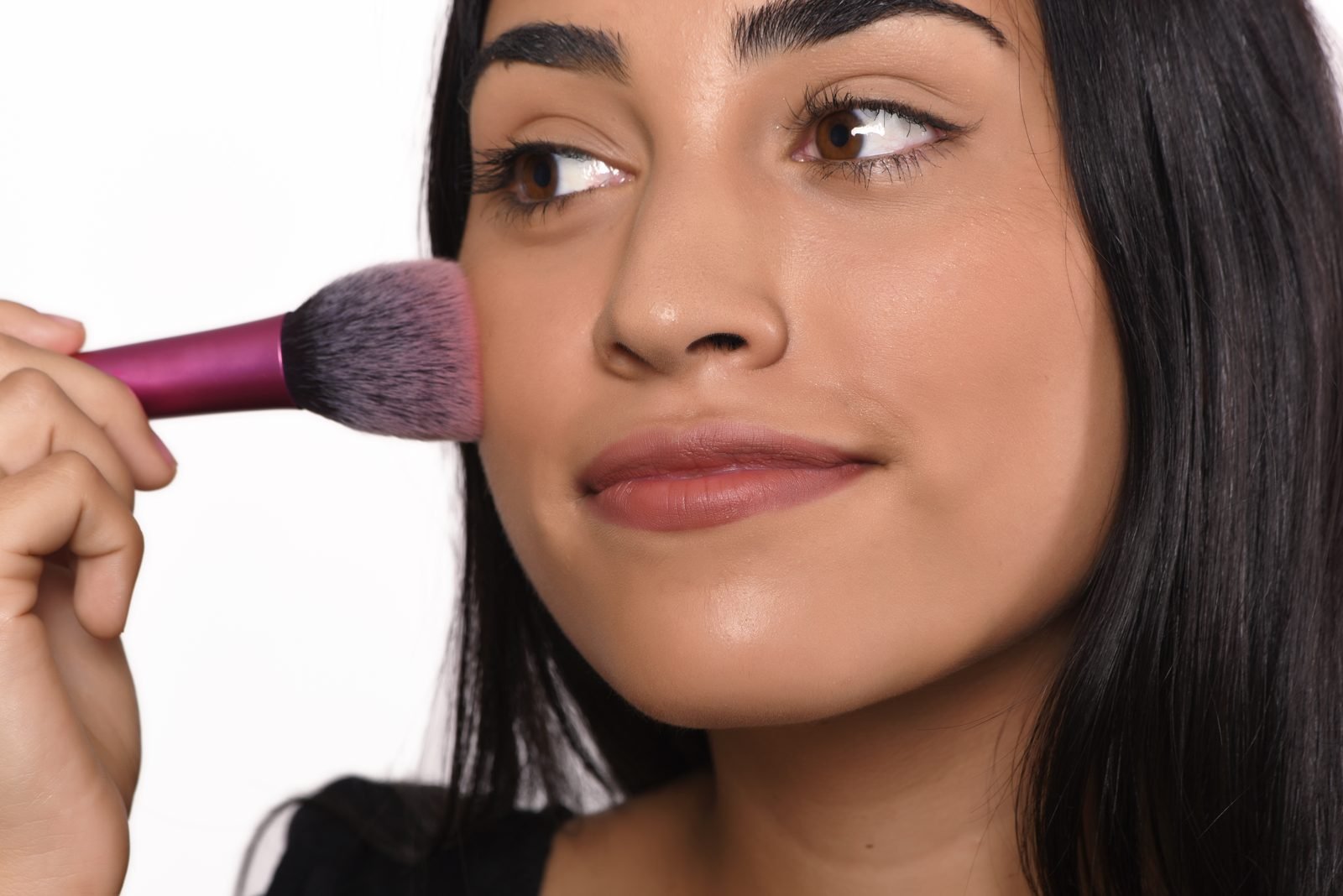
The classic placement is the “3” shape: start at the temple, sweep down under the cheekbone (not deep into the hollow), then curve down along the jaw. Repeat on the other side. Then take whatever is left on the brush and pass it lightly over the bridge of the nose and the top of the forehead along the hairline. Those are the places a real tan shows first.
Tap the excess off the brush before you start, use circular motions, and build in thin layers. It is much easier to add a second pass than to remove an overly heavy first one. If you only want one bronzer, choose powder for long days and oily skin, cream for dry or mature skin.
For a budget-friendly powder, NYX Buttermelt Powder Bronzer is easy to find; Benefit Hoola is the long-standing matte classic.
Step 5: Warm up the cheeks with blush
Bronzer on its own can look flat. A warm blush on the apples of the cheeks, blended up towards the bronzer, brings back life and stops the face looking one-dimensional. Peach and apricot suit fair and light skin; terracotta, warm rose and brick suit medium to deep skin tones.
A powder blush such as Clinique Cheek Pop comes in several peach and warm shades and is easy to build up gradually.
Step 6: Highlight the high points
Press a golden or champagne highlighter onto the tops of the cheekbones, the bridge of the nose and the cupid’s bow. Use your ring finger or a small brush and keep it to the highest points of the face. The aim is light catching the skin, not a stripe of glitter.
If you prefer a cream formula you can tap on with a finger, try a highlighter stick such as L’Oréal Paris Lumi Glow.
Step 7: Bronze the eyes
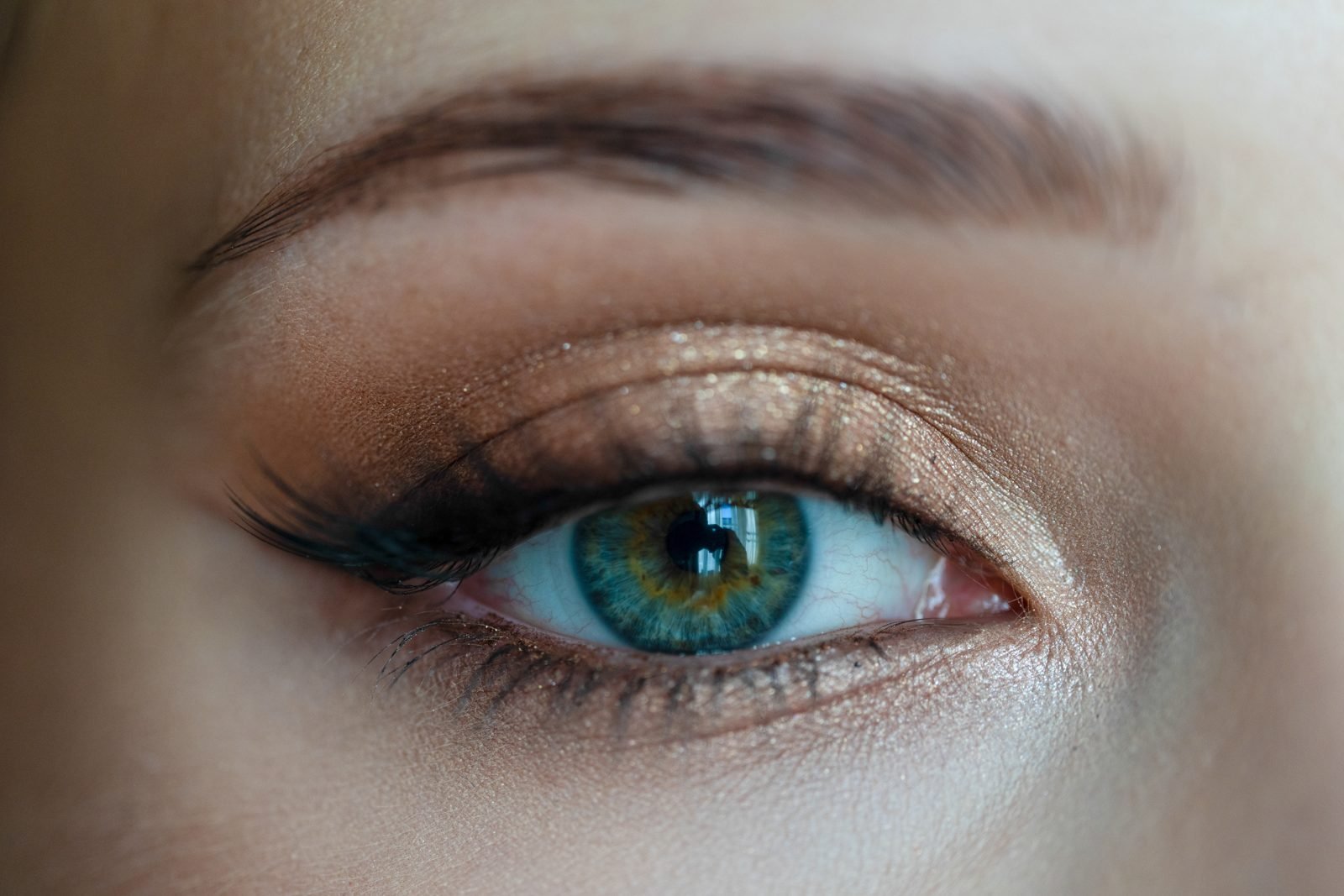
Sweep a matte warm brown through the crease with a fluffy brush, using small windscreen-wiper motions to soften the edges. Press a shimmering bronze or copper shade onto the centre of the lid with a fingertip for maximum shine. Smudge a little of the brown along the lower lash line, curl the lashes and finish with mascara. Brown mascara gives a softer daytime result; black gives more definition.
A warm neutral palette such as Huda Beauty Nude Obsessions gives you a matte crease shade and a shimmer for the lid in one place.
Step 8: Finish the lips and set
Choose a warm nude, caramel or sheer terracotta lip, or a tinted balm for the most natural version. To finish, lightly set the T-zone with powder if you need it, then mist the face with a setting spray to melt the layers together and take away any powdery look.
How to choose the right bronzer for your skin tone
The general rule is to go one to two shades deeper than your natural skin tone, with a warm (but not orange) undertone. Anything darker starts to look muddy or patchy, especially in daylight.
| Skin tone | Bronzer shades to look for | What to avoid |
|---|---|---|
| Fair | Light, soft bronzers with a neutral or slightly warm undertone | Deep or very orange shades, which look stripy on fair skin |
| Light to medium | Golden, honey and light caramel tones | Grey-toned contour shades used as bronzer |
| Medium to olive | Caramel, warm bronze and soft copper | Shades with a strong red cast, which can look ruddy |
| Deep | Rich bronze, copper, mahogany and chocolate with warmth | Light bronzers that turn ashy or chalky on the skin |
Test bronzer in natural daylight on the side of the face, not on the back of your hand. The skin on your hand is usually a different tone from your face.
Cream vs powder bronzer: which should you use?
| Cream or liquid bronzer | Powder bronzer | |
|---|---|---|
| Finish | Dewy, skin-like | Soft matte to satin |
| Best for | Dry, normal and mature skin | Oily and combination skin |
| Apply over | Liquid or cream base, before any powder | Set or powdered skin |
| Longevity | Shorter on its own, longer when set | Generally longer-wearing |
| Ease of use | Forgiving, easy to blend with fingers | Easy to build in thin layers with a brush |
Layering both, cream first and powder on top in the same areas, gives a glow that lasts. Never put cream on top of powder: it drags and goes patchy.
Three bronzed makeup looks for different occasions
The natural bronzed look (five minutes)
Skin tint, a little concealer, cream bronzer on the cheeks and temples, the same bronzer tapped onto the lids with a fingertip, mascara and a tinted balm. It is the version for weekdays, the office and minimal-makeup days, and it works on almost every skin tone.
The glowy bronze makeup look
Follow all eight steps, using cream bronzer and cream blush, then a light veil of powder bronzer only where you need it to last. Add highlighter on the high points and finish with a dewy setting spray. This is the look most people mean when they search for a glowy bronze makeup look: luminous, warm and clearly “done”, but still skin-like.
The evening bronze look
Keep the glowy base and push the eyes further. Deepen the crease with a darker brown, pack a metallic bronze on the lid, and smudge the same metallic along the lower lash line. Add a thin brown or bronze eyeliner wing, two coats of black mascara and a caramel or terracotta lip. Balance the stronger eyes by keeping highlighter subtle.
Common mistakes (and how to fix them)
- Bronzer looks orange. The shade is too warm or too deep. Switch to a more neutral bronzer, or blend a little of your foundation over the top to soften it.
- Visible stripe on the cheek. Too much product, applied in one place. Tap off the excess, use a bigger fluffy brush and blend in circles towards the hairline.
- Patchy, dirty-looking finish. Usually powder applied over damp cream, or bronzer on dry patches. Let cream products set for a minute and moisturise well beforehand.
- Face and neck do not match. Sweep the leftover bronzer on your brush lightly down the sides of the neck and across the collarbones.
- Everything looks flat. Bronzer needs blush and highlighter to bring back dimension. Do not skip Step 5.
Does bronzed makeup make you look younger?
It can make the face look fresher and more rested, mainly because warmth and soft light give the impression of healthy, well-hydrated skin. The key is keeping it soft. Heavy contour, very dark bronzer and thick matte powder tend to sit in fine lines and draw attention to texture. A cream bronzer, a warm blush placed slightly higher on the cheek and a touch of highlighter on the cheekbones is usually more flattering than a dramatic sculpt. Good skincare underneath does as much as the makeup itself; our anti-ageing skincare routine covers the basics.
FAQ
Should I apply bronzer before or after foundation?
After. Foundation first, then cream bronzer, then any powder. If you are not wearing foundation, apply bronzer straight onto moisturised, SPF-protected skin.
What is the difference between bronzer and contour?
Bronzer is warm and adds colour to the high points of the face. Contour is cool-toned, sits in the hollows and creates shadow. They can be worn together, but they do different jobs.
Can you wear a bronzed makeup look in winter?
Yes. Go a little lighter than in summer, since your natural skin tone is usually paler, and lean on cream bronzer and blush, which look fresher on winter skin than heavy powder.
How do I stop bronzer looking muddy on deep skin?
Choose a bronzer with real warmth (copper, mahogany, red-brown) rather than a grey-brown, and avoid shades that are lighter than your skin, which turn ashy. Cream formulas often look the most natural on deeper skin tones.
How do I make a bronzed look last all day?
Layer cream bronzer under powder bronzer in the same areas, set the T-zone with a light powder and finish with setting spray. Keep a powder bronzer in your bag to refresh the cheeks in the afternoon.
Once you have the routine down, it adapts to almost anything: lighter for the office, glowier for the weekend, smokier for the evening. For more seasonal inspiration, see our round-up of spring makeup looks.