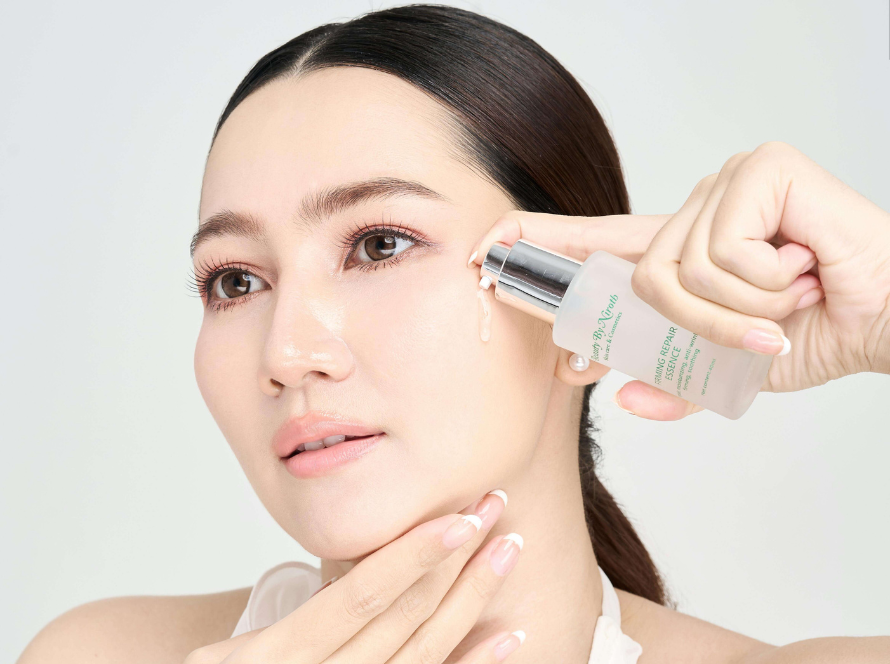
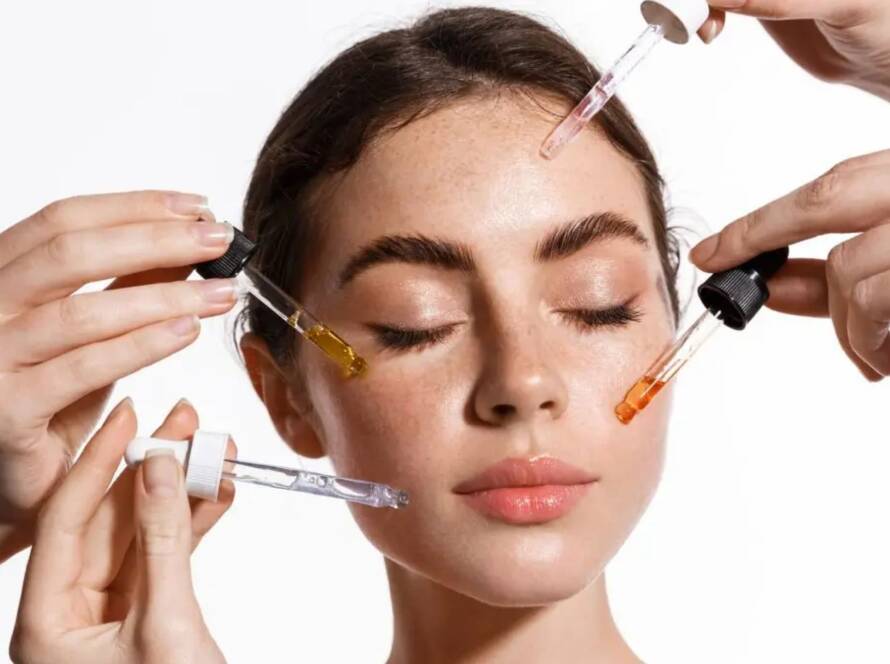
If you have ever scrolled through skincare content and wondered how some people seem to have a complexion that literally reflects light, you have seen glass skin in action. This guide breaks down exactly how to get glass skin using a step-by-step Korean skincare routine adapted for UK and US readers in 2026, with product picks, ingredient science, and realistic timelines.

Key Takeaways
- Glass skin is a K-beauty trend for luminous skin that looks smooth, translucent, and deeply hydrated. It is about genuine skin health, not filters or heavy makeup.
- Anyone can work towards this look regardless of skin type. Oily, dry, sensitive, and acne-prone skin all respond well when the routine and product choices are tailored properly.
- The core glass skin routine follows a layered approach: double cleanse, gentle exfoliation, hydrating toner or essence layers, targeted serums, moisturiser, optional face oil, and daily SPF. The glass skin routine involves applying products from thinnest to thickest consistency.
- Key ingredients driving results in 2026 include ingredients like hyaluronic acid, niacinamide, ceramides, snail mucin, centella asiatica, and vitamin C.
- A consistent skincare routine is necessary to achieve lasting results for glass skin. Most people see noticeable improvements in 4–12 weeks, with hydration gains appearing within the first week or two.
What Is Glass Skin?
The glass skin appearance is characterized by a smooth and luminous complexion that looks almost translucent, as if light passes through the surface rather than bouncing off it. It is not about looking oily or shiny. The goal is a dewy finish that signals deeply hydrated, healthy looking skin with refined pores and minimal visible texture.
The trend originated from the Korean skincare routine and the broader K-beauty philosophy that prioritises skin health over coverage. The term gained global traction around 2017, when L.A.-based make-up artist Ellie Choi posted images of skin so glazed it looked almost like polished glass. By 2026, the concept has moved from niche beauty circles into mainstream skincare culture across the UK and US.
Glass skin emphasizes hydration and skin barrier support rather than heavy foundation or camera filters. In real life, it presents as a soft glow under natural daylight rather than a mirror-like reflection. On social media, many images are enhanced, but the actual aim is a complexion that looks plump, even-toned, and exceptionally smooth without needing editing. Hydration is a key component in achieving glass skin, and the distinction from simple oiliness matters: glass like skin looks controlled and luminous, while greasy skin often appears uneven.
Is Glass Skin Possible for Every Skin Type?
Yes. Achieving the glass skin look requires a consistently layered skincare routine that prioritizes moisture, but the specific products and textures should shift depending on your skin type. The skin barrier must be healthy for an effective glass skin routine, and that principle applies universally.
- Oily and acne-prone skin: Glass skin here tends to look softly luminous rather than ultra-dewy. Lightweight, water-based hydration works best. Use gel textures, niacinamide to manage excess oil, and BHA-based exfoliants to unclog pores without stripping.
- Dry skin: This type often sees the most dramatic transformation. Layering humectants, rich creams, and occlusives can rapidly improve hydration and reduce flaking. The 7-skin method (covered below) was practically designed for dry skin.
- Combination skin: Balance the t zone with gel or water-based products, while using richer moisturisers on drier cheeks. Multi-textured routines pay off here.
- Sensitive skin: Go fragrance free and alcohol-free across the board. Introduce active ingredients slowly, patch test everything, and lean on soothing ingredients like centella asiatica rather than strong acids.
Glass skin does not mean zero pores or flawless perfection. It means smoother skin texture, more even tone, and natural radiance, a “your-skin-but-better” effect that works with specific skin concerns rather than masking them.
The Glass Skin Routine: Step by Step
This is the core how to get glass skin framework. You can use every step or simplify based on your time, budget, and tolerance. The skincare philosophy behind it follows Korean skincare layering principles: water-based products first, then richer creams and oils, thinnest to thickest for optimal absorption.
Most steps apply to both morning and evening, with a few timing adjustments. Exfoliants work best at night. SPF belongs in the morning only. Active ingredients like strong acids and retinoids should be introduced gradually and rotated rather than piled on every night.
Think of each step as a building block. You can build your own glass skin routine with as few as five steps and still see meaningful results.
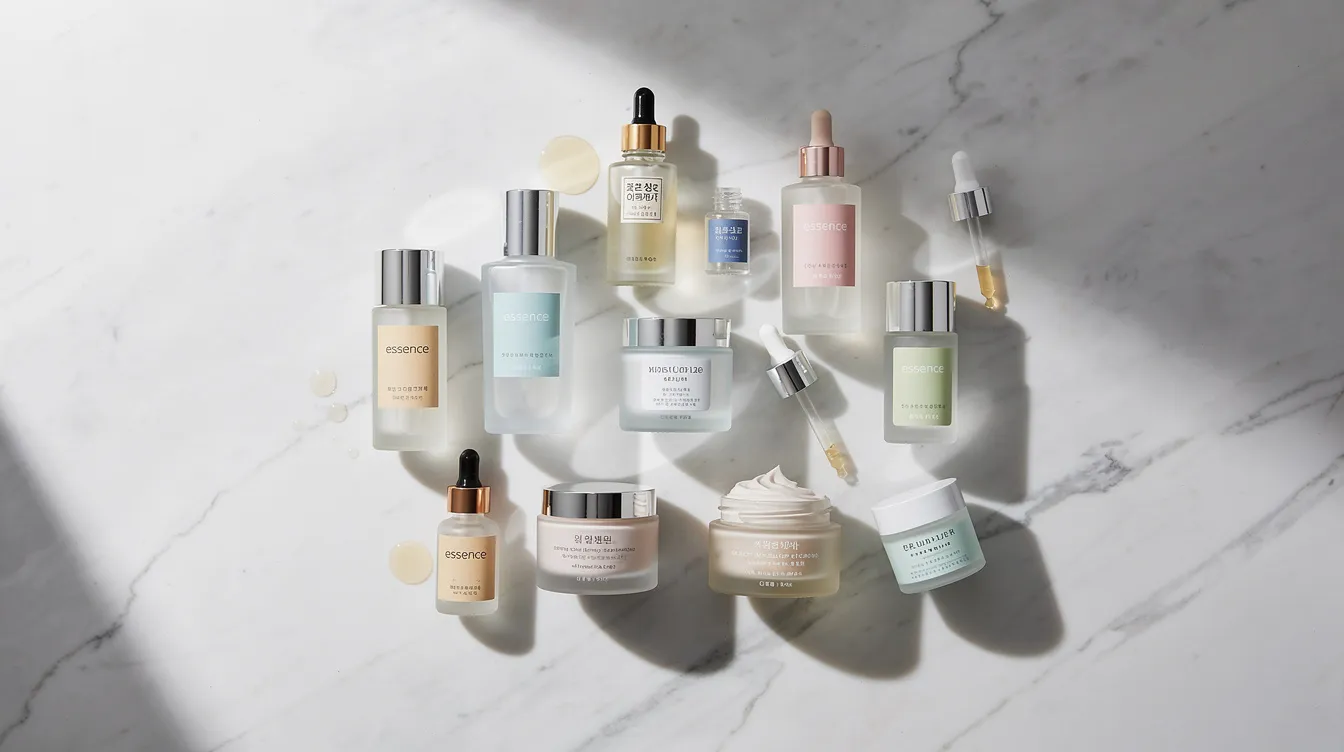
Step 1 – Double Cleanse
Double cleansing starts with an oil-based cleanser or cleansing balm to dissolve sunscreen, makeup, and pollution. Follow with a gentle cleanser (water-based, low-pH gel or foam) to remove makeup residue and any remaining impurities. Double cleansing removes makeup and impurities effectively, leaving a clean canvas without stripping moisture.
This two-step approach is critical because skincare products cannot penetrate properly through a layer of grime and old SPF. An oil based cleanser handles waterproof sunscreen and cosmetics; the second wash deals with sweat and environmental debris.
Double cleanse every evening. In the morning, a single gentle cleanser or even just water is enough for most skin types.
Balm-to-oil formulas suit heavy makeup days, while lightweight cleansing oils work for daily SPF removal. If you have sensitive skin or acne-prone skin, look for a fragrance free second cleanser with a pH around 5.5.
Step 2 – Exfoliate (1–2x per Week)
Gentle exfoliation is essential for renewing skin texture and promoting radiance. It clears away dead skin cells that cause dullness and rough patches, helping subsequent products absorb more effectively.
There are two main families of chemical exfoliants:
- Alpha hydroxy acids (AHAs) like glycolic and lactic acid brighten and smooth texture, especially on dry or sun-damaged skin.
- Beta hydroxy acids (BHAs) like salicylic acid penetrate oil and unclog pores, making them ideal for oily and acne-prone skin.
Exfoliate two to three times a week for smoother skin. Going beyond that risks damaging the skin barrier, which directly undermines your glass skin goals. In 2026, the trend leans towards gentle exfoliants in toner or serum formats and mild peeling gels rather than harsh physical scrubs.
Step 3 – Toner / Essence (Layering & the 7-Skin Method)
Use a hydrating toner to prep skin for other products. Korean toners restore moisture and balance skin rather than stripping it, unlike the old-school astringent toners popular in Western skincare decades ago.
Look for alcohol-free formulas rich in humectants like glycerin and hyaluronic acid, plus soothing botanicals such as green tea or centella asiatica. These flood the skin with water-based hydration, creating the plump, bouncy base that defines the glass skin effect.
The real technique here is layering. Rather than applying one heavy coat, pat 2–7 thin layers of toner or essence onto damp skin, letting each layer absorb before adding the next. This is the foundation of the 7-skin method (explained in detail below). Oilier skin types may prefer just 1–3 passes of a very lightweight, water-like toner to avoid congestion or sticky residue.
Step 4 – Serum (Hyaluronic Acid, Niacinamide, Vitamin C)
Serums are concentrated formulas that deliver targeted treatments for specific concerns. This step is where you address dark spots, fine lines, dullness, or breakouts.
- Hyaluronic acid: Use a hydrating serum with hyaluronic acid for moisture. Applied to damp skin and sealed with moisturiser, it draws water into the epidermis for visible plumping. Low molecular weight HA penetrates deeper into the skin layers, while high molecular weight HA forms a moisture film on the surface.
- Niacinamide (4–10%): Helps refine pores, even tone, strengthen the skin barrier, and balance oil. Clinical trials show that 4–5% niacinamide improves fine lines, pigmentation, and pore appearance over 8–12 weeks. It works across all skin types.
- Vitamin C (ascorbic acid or stable derivatives): A morning favourite for brightening, antioxidant defence, and helping to reduce fine lines. Pair it with SPF for maximum sun protection benefit.
Hydrating serums boost skin moisture and plumpness, but stick to 1–2 serums at a time. Alternating actives on different evenings prevents irritation without sacrificing results.
Step 5 – Moisturiser (Gel-Cream or Lightweight Cream)
Apply a lightweight moisturiser to lock in hydration from all previous layers. This step reinforces the skin barrier, which is central to achieving and maintaining glowing skin.
- Gel creams: Best for oily, combination, or acne-prone skin and warmer climates. They hydrate without heaviness.
- Lightweight creams: Better for dry skin or mature skin that needs more nourishment without feeling occlusive.
Beneficial ingredients to scan for: ceramides, glycerin, squalane, panthenol, and vitamin E. These strengthen, soothe, and maintain the luminosity you have been building step by step. Adjust by season-thinner layers in summer, richer barrier creams in colder UK and US winters.
Step 6 – Face Oil (Seal Hydration, Optional)
Face oil is optional but powerful for anyone with dry skin, dehydrated skin, or mature skin that struggles to hold moisture. A few drops of a non-comedogenic oil such as squalane, jojoba, or rosehip pressed over moisturiser at night can seal in everything beneath and add a soft-focus, glassy sheen.
Some people also press a tiny amount onto cheekbones in the morning under SPF or makeup for an extra boost of radiance. If you are acne-prone, patch test first and stick to lightweight, fragrance free formulas marketed as non-comedogenic. Not everyone needs this step, but for those who do, it can be the difference between healthy looking skin and truly radiant skin.
Step 7 – SPF (Non-Negotiable)
Daily SPF protects skin and maintains glass skin glow. Broad-spectrum SPF 30–50 every single morning is non-negotiable. SPF is crucial for preventing UV damage and maintaining an even complexion, and without it, all the brightening serums and exfoliants in the world cannot deliver lasting results.
Modern Korean and Western sunscreens in 2026 feel nothing like the chalky formulas of the past. Water-based gels, milk textures, and hybrid sun creams sit comfortably under makeup with no white cast. Look for formulas that double as a hydrating or luminous base for a natural dewy finish.
Reapply every 2 hours during extended uv exposure outdoors, and layer over your vitamin C serum in the morning for combined antioxidant and sun protection.
Daily SPF protects skin from UV damage and maintains hydration, making it the final and arguably most important step in your glass skin routine.
Key Ingredients for Glass Skin
Ingredient choices matter more than sheer number of steps. Here are the categories that drive the glass skin effect:
| Category | Ingredients | What They Do |
|---|---|---|
| Humectants | Hyaluronic acid, glycerin, polyglutamic acid | Draw water into skin for plumpness |
| Barrier builders | Ceramides, cholesterol, fatty acids, squalane | Reduce dryness, redness, irritation |
| Brighteners | Niacinamide, vitamin C, arbutin, lactic acid | Even tone, boost radiance, soften texture |
| K-beauty classics | Snail mucin, centella asiatica, rice extract, propolis | Repair, calm, hydrate, add glow |
Key ingredients for glass skin include hyaluronic acid, niacinamide, and vitamin C, but the supporting cast matters too. Centella asiatica (cica) is backed by clinical data showing it reduces transepidermal water loss by roughly 15–18% over four weeks, which directly supports barrier health and moisture retention.
Snail mucin provides glycosaminoglycans and proteins that aid repair and hydration. Rice extract and propolis add glow and resilience. When combining active ingredients, avoid layering strong acids with high-strength retinol in the same session, and ease into vitamin C if you have sensitive skin.
The 7-Skin Method Explained
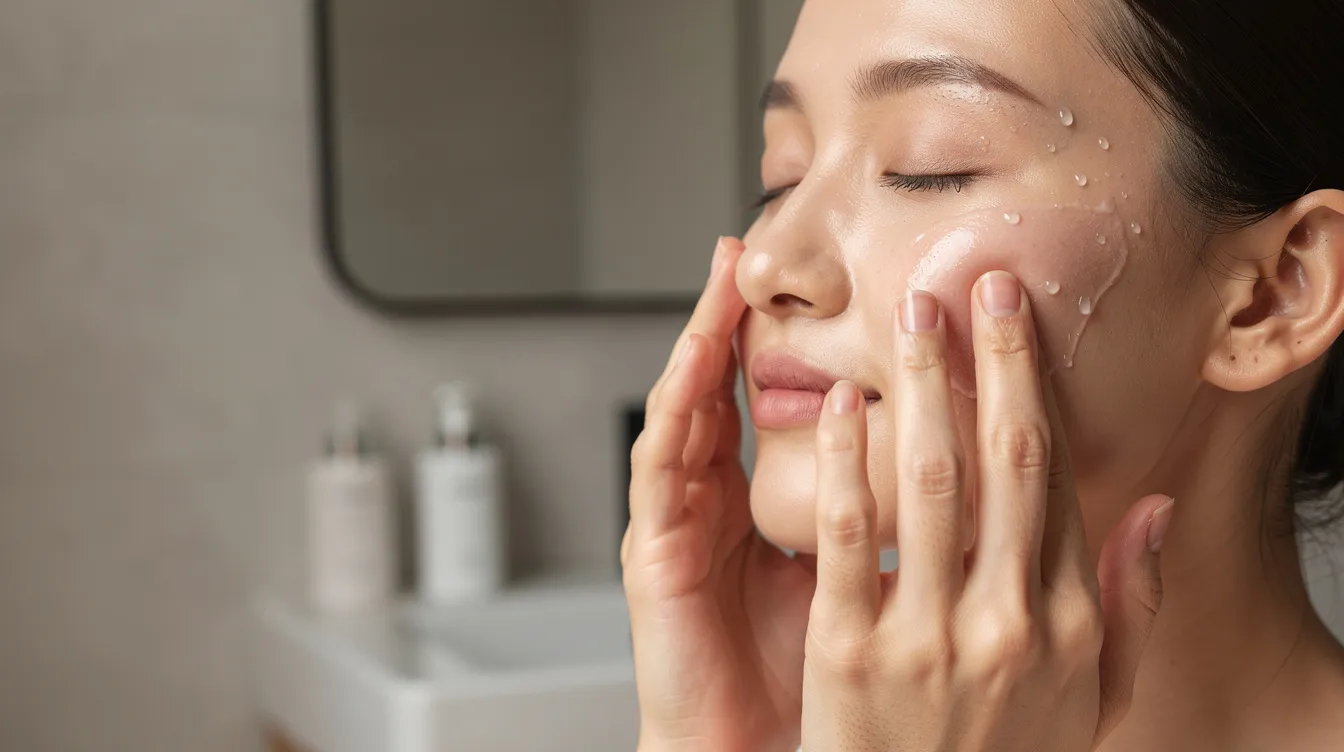
The 7-skin method is a K-beauty technique where you apply 2–7 thin layers of hydrating toner or essence to build deep hydration without heaviness. The word “skin” here is Korean beauty slang for toner, not your actual skin.
How to do it:
- Cleanse your face.
- While skin is still damp, pour a small amount of hydrating toner into your palms.
- Gently press and pat it into your skin.
- Wait a few seconds for absorption.
- Repeat up to seven times.
Ideal toners for this method are alcohol-free, low-fragrance, and rich in humectants like hyaluronic acid, glycerin, and soothing extracts such as green tea or centella. Avoid anything with strong actives or exfoliating acids in this step.
Who should try it: Dry, dehydrated, or dull skin benefits most. Oily, acne-prone, or very sensitive skin should keep it to 2–3 layers to avoid congestion. A realistic approach is the full 7-skin routine 1–3 evenings per week, with 2–3 layers on other days-especially useful during colder UK and US winters when indoor heating strips moisture.
Best Products for Glass Skin UK 2026
These picks are examples based on glass skin products principles: hydration-first, barrier-friendly, and lightweight layering textures. Choose based on your skin type and budget. Formulations are current as of 2026 in UK and US markets; always check ingredient lists for personal sensitivities.
Best MoisturiserL’Oréal Revitalift Filler Glass Skin Cream
This hybrid serum-cream is designed to deliver an instant glass skin effect alongside sustained hydration. It combines multi-weight hyaluronic acid for layered moisture, vitamin Cg and niacinamide for brightness, and vitamin B5 for barrier comfort.
Use it after your toner/essence and serum steps, morning and evening, with SPF on top during the day. The texture is lightweight and non-sticky, sitting comfortably under makeup. For anyone building a glass skin routine on a budget, this works well as an anchor moisturiser that covers multiple ingredient needs in one jar.
Best Face Oil – SkinSense Ceramide24 Facial Oil
A ceramide-rich formula that reinforces the skin barrier while adding a subtle, glassy sheen. Its blend of lipids, ceramides, and nourishing plant oils helps reduce dryness and tightness, particularly useful during colder months or in air-conditioned offices.
Apply 2–3 drops at night over moisturiser. For a daytime glass skin effect, press a tiny amount onto the high points of your face over makeup. Best suited to normal, dry, and combination skin. Oily or acne-prone skin should use sparingly and patch test.
Best Glass Skin Foundation Finish – Sweed Glass Skin Foundation
Sweed Glass Skin Foundation is a base product built to mimic a glass-skin finish with sheer-to-medium coverage and a luminous, skin-like glow. Its lightweight, fluid texture works well over hydrating skincare products without emphasising dry patches or fine lines.
Apply with a damp sponge or fingertips for a second-skin effect, concentrating coverage in the centre of the face and sheering outwards. Pair it with a hydrating primer and SPF underneath. Keep powder minimal, only on the t zone, to preserve the high shine glass skin effect. It works well for a special occasion or daily wear.
Glass Skin vs Dewy Skin: What’s the Difference?
Dewy skin is a fresh, slightly moist-looking finish you can create quickly with skincare and makeup. It focuses on surface moisture and luminosity, even if skin texture underneath is still uneven.
Glass skin demands more. It requires smoother texture, refined pores, and a more translucent, light-reflective quality achieved primarily through consistent skincare. Glass skin looks smooth, luminous, and almost translucent-the complexion itself reflects light evenly, not just a product sitting on top of it.
A practical distinction: dewy makeup applied over compromised or textured skin can look patchy or greasy under certain lighting. Glass skin tends to look even and controlled because the underlying skin texture is genuinely smoother.
You can combine both approaches. Treat glass skin as your long-term skincare goal and use dewy finishing products for instant radiance while your skin improves week by week.
How to Fake Glass Skin with Makeup
While skincare is foundational, makeup can create an instant glass skin effect for events or while you are still early in your glass skin journey.
- Primer: Start with a hydrating, glow-boosting primer or illuminating base to smooth texture and add subtle radiance.
- Base: Use a skin tint or luminous foundation (like Sweed Glass Skin Foundation) in thin layers. Focus on evening tone rather than full coverage for a dewy finish.
- Highlighter: Apply liquid or cream highlighter on cheekbones, nose bridge, brow bones, and Cupid’s bow to catch light and boost radiance.
- Powder: Keep it minimal and finely milled. Use only on the t zone to control shine without killing luminosity.
- Setting spray: Finish with a dewy or hydrating setting spray to melt layers together and remove any powdery appearance.
This approach gives you instant glass skin for photos or nights out, while your actual skincare routine works in the background.
Glass Skin Routine: Morning vs Evening
Routines differ by time of day. Mornings focus on protection and lightweight hydration. Evenings lean into repair and deeper moisture.
Morning routine:
- Gentle cleanser (or water rinse)
- Hydrating toner / essence (1–3 layers)
- Serum (vitamin C or niacinamide)
- Lightweight moisturiser
- SPF 30–50
Evening routine:
- Double cleanse (oil based cleanser + gentle cleanser)
- Exfoliant (1–2 nights per week only)
- Hydrating toner / essence (up to 7-skin method)
- Serum (hyaluronic acid, snail mucin, or cica)
- Moisturiser
- Face oil or overnight mask (optional)
On busy weekday mornings, trim to cleanser, serum, moisturiser, and SPF. Save more indulgent layering and face masks for weekends. If using strong acids or retinoids in the evening, skip exfoliation on those nights and use a soothing serum instead. Protecting the skin barrier always comes first-even during your glass skin journey.
How Long Does It Take to Achieve Glass Skin?
Achieving glass skin can take several weeks of consistent care. Most people notice improved hydration and softness within the first week or two. Meaningful changes in skin texture, tone, and pore appearance typically emerge over 4–12 weeks.
This timeline aligns with the skin’s natural renewal cycle, which runs roughly 28 days in younger skin and 35–45 days in mature skin. A randomised trial of oral hyaluronic acid supplementation found hydration improvements starting at week 2, with structural and textural changes appearing by weeks 8–12.
Factors that speed progress: consistency, enough sleep (beauty sleep genuinely matters for cell turnover), a balanced diet rich in antioxidants, and diligent sun protection. Factors that slow it: irregular routines, over-exfoliation, high stress, and unprotected uv exposure. Drink plenty of water daily and manage lifestyle habits alongside your skincare routine.
Track progress with monthly photos in natural light rather than obsessing over daily changes. Your complexion will get there.
For severe acne scarring, deep pigmentation, or persistent tired eyes and dullness, professional treatments (chemical peels, laser) alongside your at-home routine may accelerate results. But for most people, patience and consistency with the right skincare products will deliver the same results as far more expensive interventions.
FAQ
These questions cover additional concerns readers often have beyond the main glass skin routine steps.
Can You Get Glass Skin If You Have Active Acne?
You can still work towards a glass skin effect with acne, but the priority shifts to calming inflammation, gentle exfoliation, and repairing the barrier rather than chasing extreme glow. Use non-stripping cleansers, salicylic acid-based spot treatments to unclog pores, niacinamide serums for tone and oil balance, and fragrance free moisturisers.
Consistent SPF helps reduce post-acne marks and dark spots over time. Sheet masks with soothing ingredients like centella or aloe can provide concentrated hydration without aggravating breakouts. If you are dealing with persistent or cystic acne, consult a dermatologist while maintaining a simplified glass skin routine at home. You do not need to pause your skincare routine entirely-just adapt it.
Is Glass Skin Achievable Without Any Korean Products?
Absolutely. While K beauty popularised the glass skin routine, the results come from product types and ingredients, not the country of origin. What matters is using hydrating toners, essences, humectant serums, and barrier-supporting moisturisers with ingredients like hyaluronic acid, ceramides, glycerin, and centella asiatica.
Many UK and US brands now offer Korean-style textures and formulations. Mixing brands and regions is perfectly fine. Focus on gentle, layered application with consistent use, and you will achieve glass skin regardless of where your skincare products are manufactured.
What’s the Best Glass Skin Routine for Very Dry, Flaky Skin?
Focus on barrier repair first. Use mild, non-foaming cleansers, hydrating toners layered via the 7-skin method 2–3 evenings per week, and ceramide-rich moisturisers. Seal everything with an occlusive layer like face oil or a balm at night for an extra boost of moisture retention.
Add a rich hydrogel or cream sheet mask once a week for intensive hydration. For exfoliation, stick to very gentle exfoliants like lactic acid no more than once per week until flakiness improves. Over-exfoliating dry skin destroys the barrier and makes achieving a smooth texture nearly impossible.
Can Men Follow a Glass Skin Routine Too?
Glass skin is entirely gender-neutral. Men’s skin benefits from the same principles of hydration, barrier health, and sun protection. A simplified routine works well: double cleanse in the evening (especially after SPF or outdoor activity), hydrating toner, a basic hyaluronic acid or niacinamide serum, moisturiser, and daily SPF.
After shaving, use soothing, alcohol-free products with centella or aloe to reduce irritation and maintain a smooth, luminous complexion. The routine does not need to be complex to deliver radiant skin.
Do I Need the Full 10-Step Korean Routine to Achieve Glass Skin?
No. The classic 10-step routine is a framework, not a requirement. Many people achieve glass skin with 5–7 well-chosen steps tailored to their skin. Quality and consistency beat quantity every time.
A thoughtful routine built around a double cleanse, hydrating toner or essence, one targeted serum, moisturiser, and SPF covers the essentials. Add extras like sheet masks, eye cream for tired eyes, or face oils only if they address a clear need such as seasonal dehydration or very dry under-eyes. Start simple, track your progress, and layer in additional steps only when your skin asks for them.