Styles of Clothing: From Everyday Outfits to 2026 Fashion Trends
Key Takeaways
- Clothing styles range from casual, classic, and sporty to niche aesthetics like Dark Academia, Barbiecore, and Cyberpunk—and most people blend several of them to create their unique look.
- Fashion trends 2026 reinterpret familiar styles (minimalist, streetwear, boho, old money) with new color palettes, sculptural silhouettes, and sustainable fabrics.
- Runway fashion trends and street style from 2024–2026, shaped by houses like Prada, Miu Miu, Loewe, Saint Laurent, and Balenciaga, directly influence everyday clothing styles at every price point.
- You can use style categories as practical tools: identify your core style, add one or two aesthetics as accents, and adapt trends to your lifestyle and budget.
- Popular clothing styles in 2026 are defined by a mix of functional comfort, nostalgic revivals, and high-impact aesthetics like Loud Luxury—making this an exciting moment to refine your personal style.
Introduction: Why Clothing Styles Matter in 2026
The runways of Paris and Milan for Spring/Summer 2026 have spoken. TikTok aesthetics have multiplied. Global street style continues its relentless remix of high and low. What emerges is a fashion landscape where a clothing style is the mix of fits, colors, fabrics, and small details that help define an individual’s personal aesthetic and comfort in their daily life.
But here’s the distinction that matters: a clothing style is your overarching visual identity—the silhouettes and sensibility you return to season after season. A trend is something more fleeting—a specific hem length, a color, a detail that peaks and fades. Styles like classic, casual, and bohemian stay stable across decades; fashion trends 2026 refresh them with new proportions, textures, and color palettes.
Fashion styles as of early 2026 blend comfort with intentional details, focusing on sustainability and personal expression. This article maps out the major clothing styles you’ll encounter everywhere, links them to current and upcoming 2026 fashion movements, and delivers practical styling plus shopping guidance. Consider it your editorial field guide to dressing with intention.
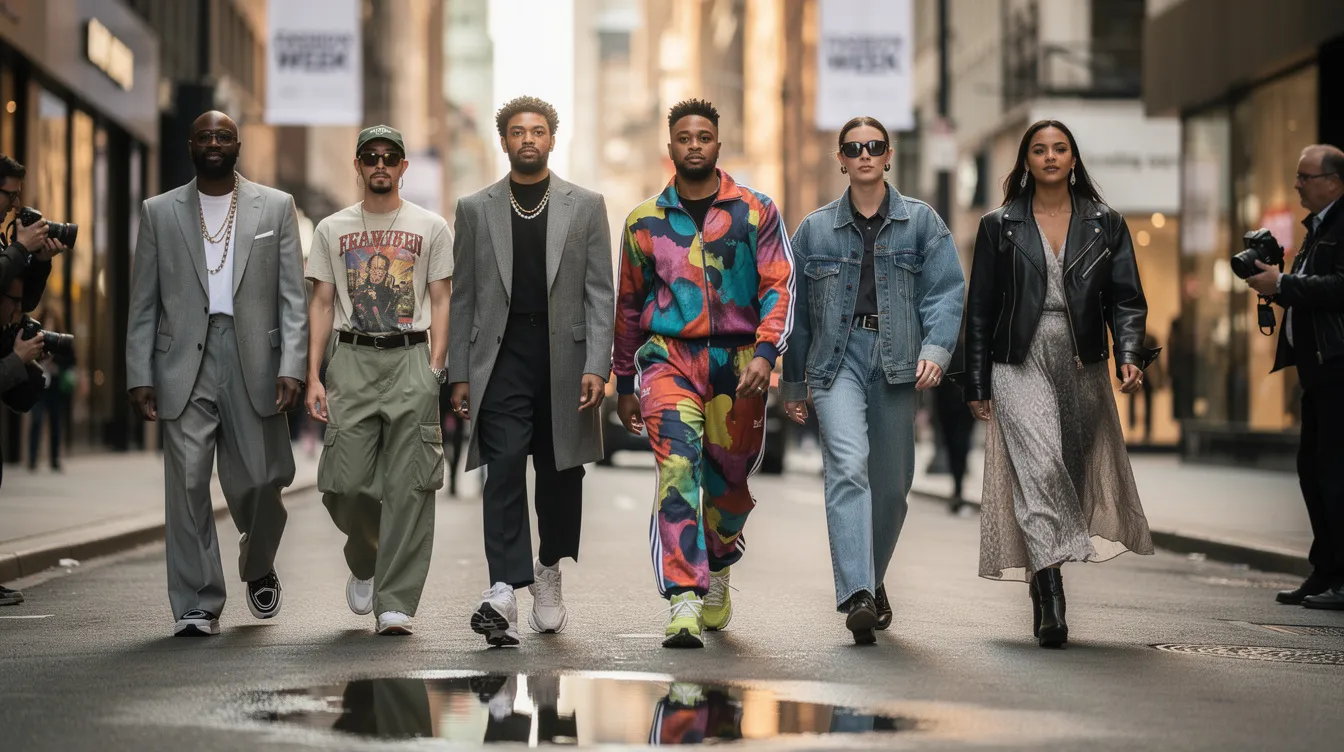
Foundational Clothing Styles You See Everywhere
Understanding your clothing style can help you shop more effectively, allowing you to choose pieces that work together and avoid items that will sit unused in your closet. Many clothing styles can be categorized into broader themes, such as minimalist, classic, edgy, and romantic, each with its own unique characteristics and appeal.
Casual sits at the foundation. Think relaxed denim, soft sweaters, easy sneakers—a style that feels relaxed yet intentional. For 2026: straight-leg blue jeans, an oversized cream knit, white leather sneakers, and simple accessories.
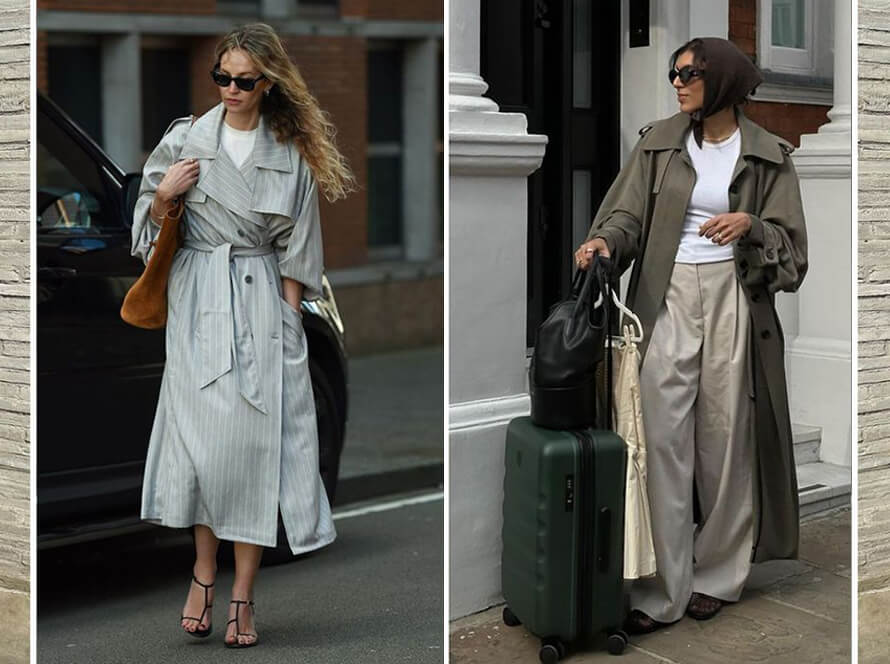
Classic channels timeless tailoring in neutral colors. The white button-down, the trench coat, the straight trousers. Saint Laurent exemplifies this through sharp blazers and clean lines. A 2026 classic outfit: navy single-breasted blazer, dark straight-leg denim, leather loafers, pearl earrings.
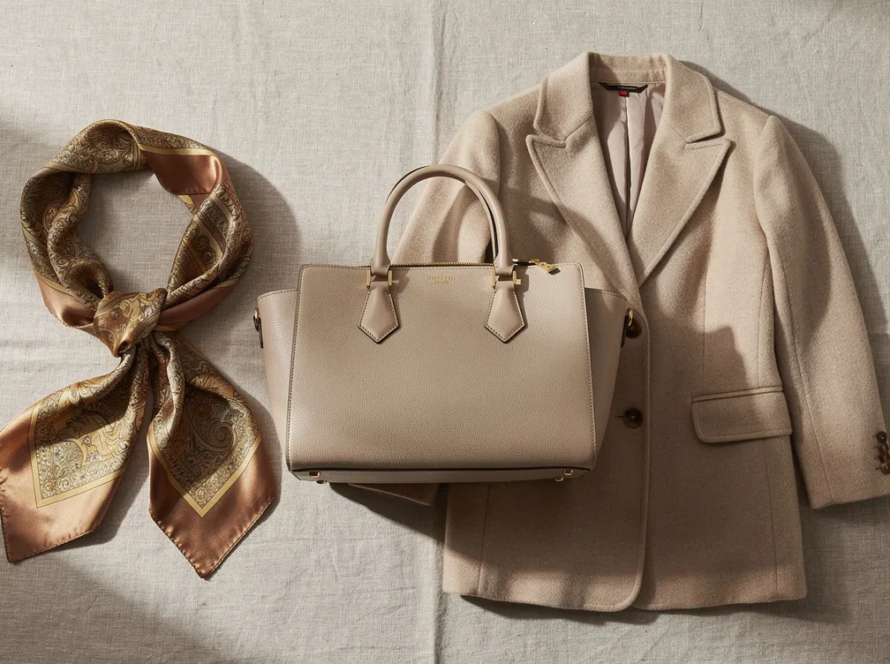
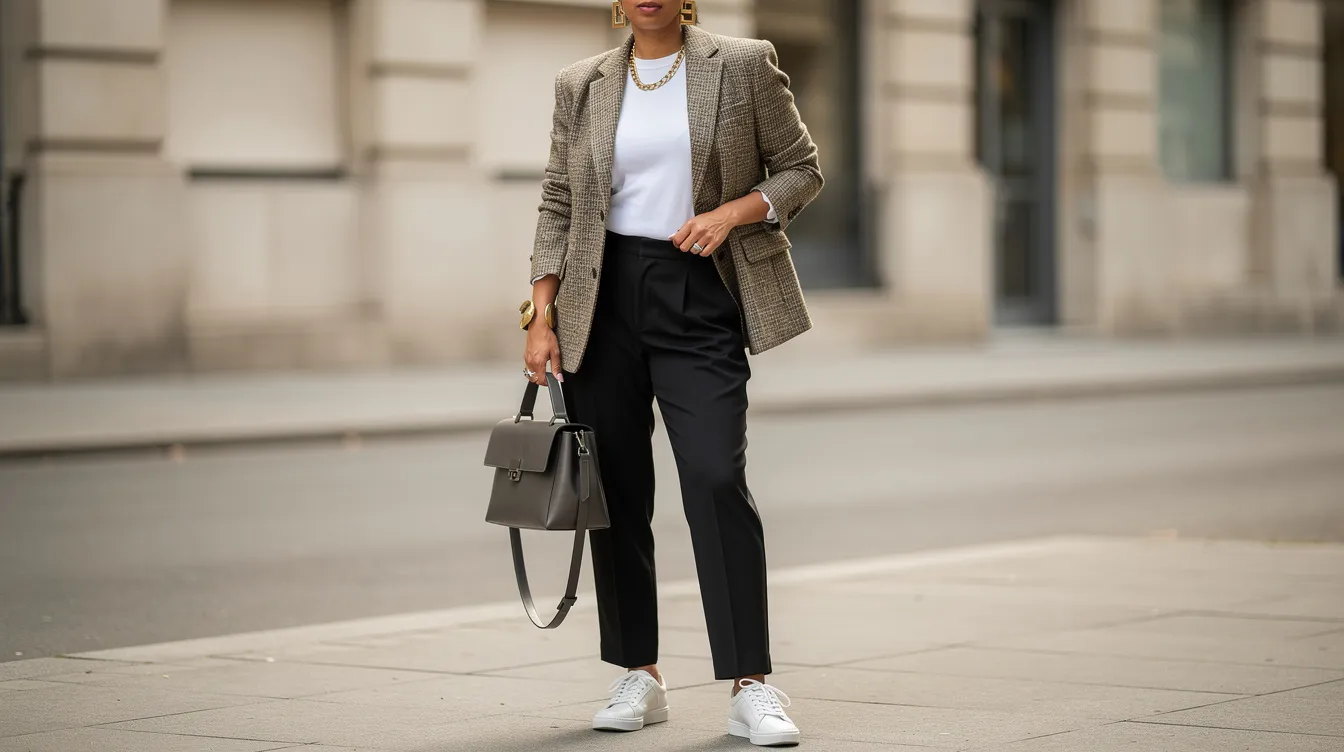
Chic style is characterized by an effortlessly stylish and put-together appearance that blends contemporary trends with timeless elegance. Common elements of chic style include tailored blazers, stylish blouses, and statement pieces like trendy sunglasses and handbags. Chic fashion often features luxurious fabrics such as silk and cashmere, which contribute to a polished look. A 2026 chic ensemble: silk camisole, high-waist tailored trousers, structured bag, delicate jewelry.
Elegant reserves itself for occasions—gowns, cocktail dresses, refined suits with soft fabrics like satin and velvet. Column gowns and bias-cut dresses define 2026’s formal direction.
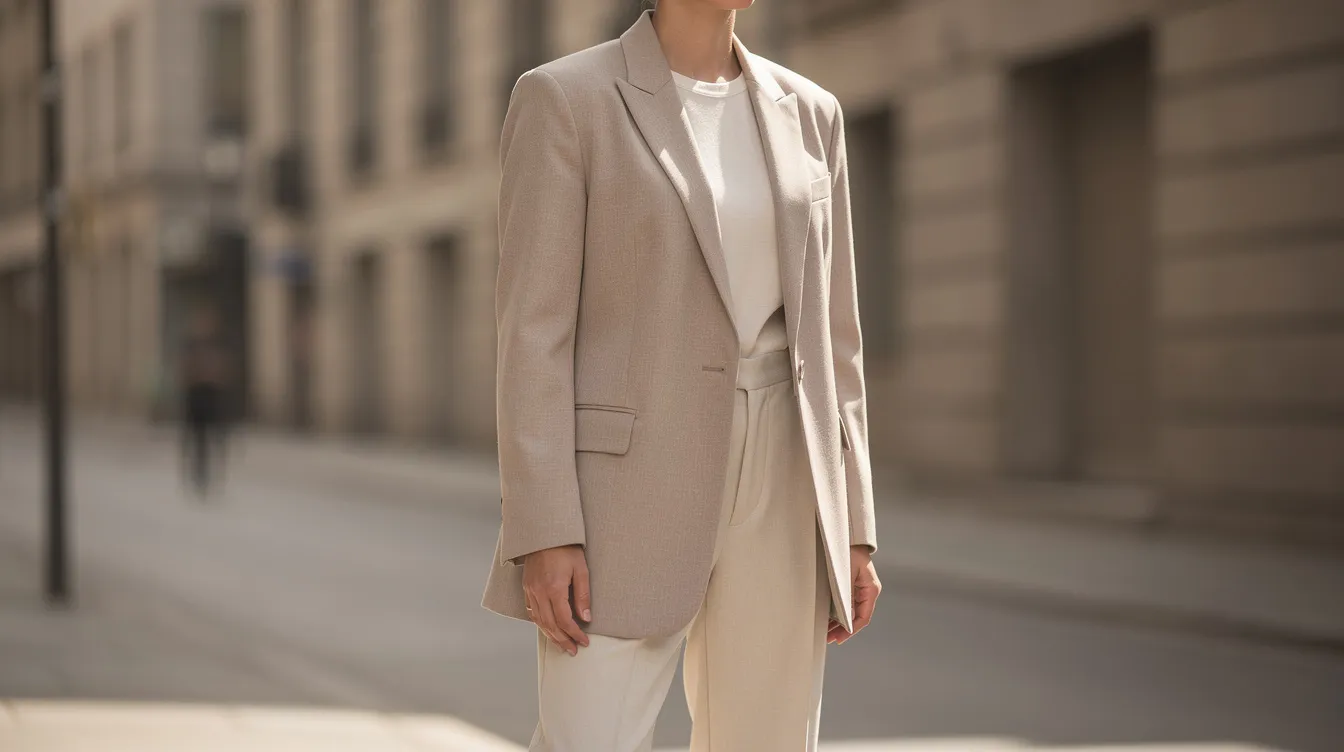
Minimalist strips everything back to clean lines, neutral palettes, and capsule logic. Acne Studios and The Row lead here. 2026 minimalism uses sculptural silhouettes and interesting textures, not just plain basics.
Professional adapts to hybrid work reality—power suiting meets knit polos, sharp blazers paired with premium denim on casual Fridays.
Sporty merges athletic wear with street style. Leggings, joggers, performance fabrics—2026 sees these technical pieces worn with tailored trousers and structured blazers.
Streetwear draws from 1990s hip hop and skate culture: oversized hoodies, graphic tees, cargo pants, statement sneakers. Balenciaga continues redefining this space with quiet luxury undertones.
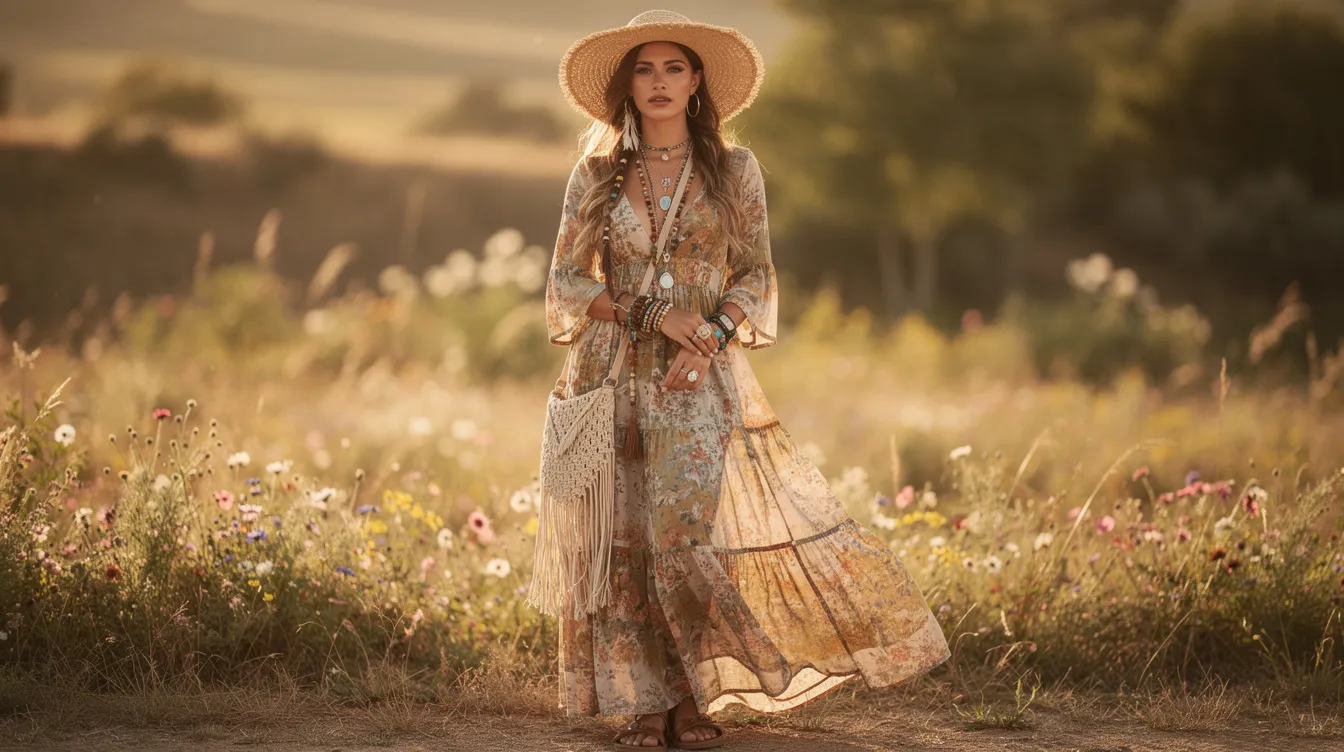
Bohemian celebrates freedom through flowing maxi dresses, natural fabrics, and earthy tones with bold prints. The 70s revival persists into 2026 with folk prints and crochet returning to runways.
Everyday Clothing Styles: Casual, Minimal, Sporty & Streetwear
Casual
Casual clothing prioritizes comfort and utility, featuring fabrics like cotton and denim. Casual style is characterized by relaxed and comfortable clothing that still looks good, making it ideal for everyday wear. Common casual clothing items include denim jeans, soft t-shirts, and comfortable shoes, often featuring basic prints or solid colors.
Casual outfits typically have loose-fitting shapes, allowing for freedom of movement and a relaxed feel, making them suitable for various activities. The casual style has its roots in the counterculture of the 1960s and has evolved into modern trends like athleisure, which combines comfort with style.
For 2026, casual evolves through softer, drapey denim cuts and elevated basics in better fabrics. A weekday casual look: straight-leg dark denim, a quality white tee, a relaxed linen blazer, clean sneakers. A weekend casual outfit: wide-leg soft trousers, an oversized knit, leather slides, minimal gold hoops.
Minimal / Clean
The Minimalist aesthetic centers on simple outfits with few extra details, often featuring neutral colors like black, white, gray, and beige. Minimalist style emphasizes simplicity, focusing on clean lines, neutral colors, and essential silhouettes, often favoring quality over quantity.
People who enjoy minimalist style often prefer owning fewer items that work together, creating a calm and steady look that is easy to mix and match. Think of it as calm outfits with neat lines and straight lines that create visual harmony.
The Row, Acne Studios, and Prada’s minimalist collections exemplify this aesthetic. Modern 2026 minimalism incorporates sculptural silhouettes and interesting textures—a ribbed tank in off-white, wide-leg tailored trousers in stone, a structured wool coat, leather ballet flats. High quality fabrics matter here more than quantity.
Sporty / Athleisure
The sporty aesthetic blends athletic silhouettes with everyday wear. Performance fabrics, joggers, leggings, and logo pieces form the foundation.
The 2026 direction pairs technical fabrics with tailored pieces. Picture track pants with a sharp blazer for city errands, or a cashmere hoodie with tailored trousers and leather sneakers for a gym-to-dinner transition. This style works for those who value a carefree vibe without sacrificing polish.
Streetwear
Streetwear is rooted in skating and hip-hop culture, focusing on comfortable, fashionable items like oversized hoodies and graphic tees. Technical streetwear incorporates high-tech performance fabrics and urban aesthetics. Streetwear is a dynamic and urban fashion movement that originated from 1990s hip hop, inspired by youth culture and often influenced by music, art, and contemporary trends.
Common pieces in streetwear include graphic tees, oversized hoodies, distressed denim, and sneakers, often featuring logos, bold prints, and statement accessories. Streetwear emphasizes comfort and practicality, making it suitable for casual hangouts, concerts, and urban adventures, while still allowing for personal expression.
The 2026 direction favors quiet logos, luxury sneaker collaborations, and cargo silhouettes in elevated materials. Balenciaga, Off-White, and Nike collaborations remain cultural reference points. A current streetwear outfit: oversized hoodie in muted navy, wide-leg cargo pants in stone, chunky statement sneakers, bucket hat.
Artsy / Eclectic
This experimental category celebrates pattern-mixing, asymmetrical cuts, and unexpected combinations. The rise of personal aesthetic dressing from TikTok has legitimized highly individualized looks that defy single-category classification.
The key to successful artsy dressing: maintain proportional balance and color palette coherence even within maximalist outfits. Pair an oversized patterned jacket with fitted basics. Keep bold textures grounded through consistent color families. Let busy patterns speak by keeping silhouettes simple elsewhere.
Polished Clothing Styles: Classic, Elegant, Professional & Old Money
Classic
Classic tailoring draws from enduring principles: the white button-down, straight trousers, the trench coat, classic staples that transcend seasons. Dior and Chanel continue to define this vocabulary through refined silhouettes and polished construction.
For 2026, classic updates itself through relaxed fits and subtle color shifts—dark chocolate replaces standard camel, warm taupe enters where stark white once dominated. A 2026 classic outfit: cream cashmere crewneck, high-waist straight-leg trousers in warm brown, leather loafers, subtle accessories.
Elegant / Formal
Formal style is characterized by clothing made from high-quality fabrics like silk and wool, often featuring solid colors or simple patterns for a polished look. Formal wear typically includes structured outfits that create a sharp appearance, suitable for business or special events. Accessories in formal style often include classy shoes, eye-catching jewelry, and chic clutches to enhance the overall look.
Red-carpet silhouettes—column gowns, bias-cut dresses—influence wedding guest and party attire in 2026. The direction favors sleek, long lines over micro-minis, with soft layers and delicate fabrics creating movement without excess volume. Styles defined by ruffles, lace, and pastel palettes emphasize a romantic aesthetic within formal contexts.
Professional
Modern office dress codes have evolved significantly. Power suiting persists, but knit polos, sharp blazers with quality denim on casual Fridays, and polo shirts have entered the vocabulary.
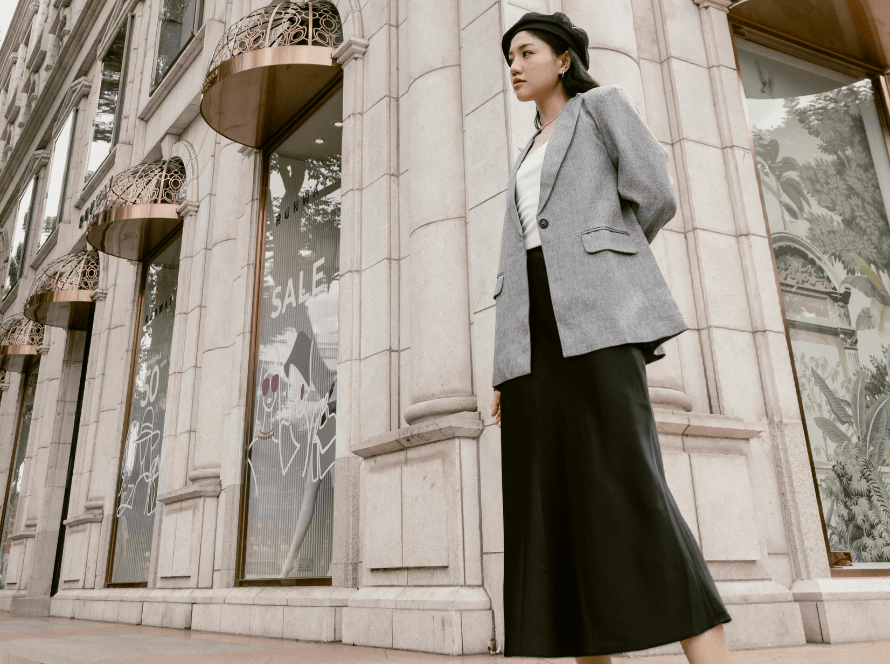
Styling for hybrid work: elevated knits with tailored trousers, loafers, and structured bags. The overall vibe should read polished but not stiff. A professional 2026 look: fitted wool blazer, silk blouse, straight-leg dark trousers, pointed leather flats.
Smart Casual blends casual and polished elements, suitable for modern work environments—think tailored fit pieces mixed with relaxed fabrics.
Old Money / Quiet Luxury
High-quality materials and impeccable tailoring characterize styles prioritizing understated elegance. Soft cashmere, fine wool, silk, and polished neutrals define this territory. Brands like Loewe, Miu Miu, and Brunello Cucinelli provide the blueprint.
The 2026 palette: stone, warm taupe, muted navy, off-white, soft shades that whisper rather than shout. An old money outfit: cashmere v-neck in cream, pleated skirts in soft wool, leather ballet flats, minimal gold jewelry. This style feels relaxed yet unmistakably refined.
High Society is an elevated take on preppy fashion, defined by tailored suits and sophisticated details that signal status through construction rather than logos.
Androgynous Tailoring
Androgynous style blends elements from both men’s and women’s fashion, creating a unique and versatile look. This style often features comfortable fabrics like denim, cotton, and wool, with simple designs in solid or neutral colors.
Androgynous outfits can include a mix of tailored items and oversized pieces, allowing for a balanced silhouette that defies traditional gender norms. Saint Laurent and Dries Van Noten show fluid tailoring that reads masculine, feminine, or neutral depending on styling.
A 2026 androgynous look: oversized wool blazer, straight-leg trousers, crisp white shirt worn loose, leather oxford shoes. The tailored fit maintains structure while loose layers add ease.
Expressive Clothing Styles: Romantic, Bohemian, Retro, Grunge & Edgy
Romantic
Romantic style celebrates delicate fabrics, florals, ruffles, lace, and soft pastels. This aesthetic emphasizes femininity and gentle shapes through flowing silhouettes and intricate details.
The 2026 direction connects to Regencycore influences and ballerina-inspired looks—wrap tops, ballet flats, tulle skirts, soft sweaters. A romantic outfit: silk midi dress with subtle floral prints, cardigan in blush, delicate jewelry, ballet flats in soft pink.
Bohemian
Bohemian style is characterized by a free-spirited and eclectic aesthetic that emphasizes comfort and movement. Common elements of Bohemian style include flowing maxi dresses, loose-fitting tunics, and bell-bottom pants, often in earthy tones and vibrant prints.
Accessories in Bohemian style often feature natural materials and include items like wide-brimmed hats, beaded jewelry, and fringed vests. The Bohemian aesthetic is inspired by the 1960s and 1970s, celebrating individuality and artistic expression through clothing.
The 70s revival continues into 2026 with folk prints and crochet reappearing on runways. Natural fabrics like cotton and linen dominate. A boho outfit: flowing maxi dress in terracotta print, oversized cardigan, leather sandals, artistic scarves, layered beaded jewelry.
Retro / Vintage
Vintage style celebrates the unique charm of past fashion, pulling inspiration from earlier decades and showcasing retro cuts, fun patterns, and bright colors. Common vintage pieces include high-waisted pants, retro dresses, patterned blouses, and classic accessories like round sunglasses or leather bags.
Vintage style often features fabrics like tweed, lace, and velvet, along with playful patterns such as polka dots, florals, and plaid. The distinction: vintage uses authentic period pieces; retro uses era-inspired contemporary pieces.
A 70s-inspired 2026 look: flare jeans, crochet vest, platform shoes, retro shapes in denim. A 90s minimalist look: slip dress, square-toe heel, simple accessories. Nostalgia in clothing combines Y2K influences, ‘90s baggy denim, and ‘70s boho spirit.
Grunge
Grunge aesthetics celebrate flannel, distressed denim, band tees, combat boots, and deliberately undone presentation. This style works for those drawn to dark colors and a rebellious edge.
Luxury brands like Balenciaga and certain Saint Laurent collections reinterpret grunge with elevated fabrics. A 2026 grunge look: oversized flannel over band tee, ripped jeans, studded boots, leather jacket, dark shades.
Edgy / Punk / Rocker
Leather jackets, studs, black denim, metal accessories, fishnet, and platform shoes define this territory. Bold makeup and chunky jewelry complete the look.
A 2026-appropriate edgy outfit: sharp leather blazer with tailored trousers instead of only ripped skinny jeans, creating tension between polish and rebellion. Add metal accessories and combat boots.
Glam / Night-Out / Sexy
Sequins, metallics, bodycon silhouettes, cutouts, and sharp tailoring define evening dressing. Versace, Saint Laurent, and Balmain provide reference points.
Loud Luxury focuses on drama and opulence, characterized by voluminous skirts, bold colors, and heavy embellishments. However, 2026 trends favor sleek, long lines in many markets—column dresses and tailored evening separates alongside bold shapes and mini skirts.
Aesthetic-Driven Styles: Internet, Subculture & TikTok Aesthetics
A clothing aesthetic is your personal style or the overall vibe your outfits create, encompassing colors, patterns, and types of pieces you wear. Understanding your aesthetic helps you build a cohesive closet where everything works together, making getting dressed easier and more fun.
Social media platforms like Instagram, TikTok, and Pinterest have made finding and defining aesthetics simple, allowing users to browse thousands of outfit ideas and save looks they love. These named aesthetics function as micro-styles, each with distinct moods, color palettes, and outfit formulas.
Dark Academia
Tweed blazers, pleated skirts, knit vests, loafers, deep browns and forest greens. This aesthetic romanticizes collegiate, intellectual life with literary moodiness. It’s essentially preppy meets vintage with added darkness. A dark academia outfit: wool blazer, pleated midi skirt, turtleneck, oxford shoes, vintage spectacles.
Cottagecore / Prairie
Cottagecore romanticizes rural living and traditional crafts, featuring flowing dresses and natural fabrics. Floral midi dresses, cardigans, boots, straw hats, and warm neutrals define the palette. This aesthetic reflects nostalgia for slower living and connection to nature.
Clean Girl / Minimalist
Sleek bodysuits, wide-leg trousers, slicked-back hair, gold hoops, neutral palettes. This aesthetic bridges minimalist fashion styles with wellness culture. The look is polished but unfussy—soft girl meets sophisticated ease.
Barbiecore / Coquette
Pink dominates: bows, mini dresses, platforms, shiny textures. This hyper-feminine aesthetic emerged from the 2023 Barbie phenomenon and persists into 2026, evolving toward more sophisticated hot-pink tailoring rather than literal costume dressing. Playful patterns and bold colors remain central.
Cyberpunk
Metallic finishes, vinyl, techwear details, neon accents, combat boots. This aesthetic appeals to those drawn to futuristic, science-fiction-inspired fashion aesthetics.
Kidcore / Maximalist Playfulness
Bright primary colors, graphic prints, oversized silhouettes, deliberately playful elements. This represents a reaction against minimalism, embracing fun patterns and bold textures without apology.
Styles like Streetwear and Cottagecore remain influential but are evolving with new textures and more intentional tailoring. The playful aesthetics of the early 2000s are popular, mixed with modern styles and cleaner aesthetics.
How Fashion Trends 2026 Transform These Styles
What fashion trends are in right now? And what are the top fashion trends 2026 will bring? Several macro-movements are reshaping every style category.
Oversized and Sculptural Silhouettes Coats, blazers, and knitwear trend toward intentionally large proportions—but controlled and balanced. This affects minimalists (sculptural coats), streetwear fans (oversized sweaters over straight trousers), and classic dressers (roomy blazers with fitted basics beneath).
Tailoring Revival Vests, suiting, and sharp tailored trousers appear across all gender presentations. Prada and Saint Laurent demonstrate how power tailoring and minimalist evening wear intersect. Professional and elegant styles absorb this directly.
Elevated Basics and Capsule Wardrobes Quality over quantity defines consumer behavior. Soft fabrics, better construction, and versatile pieces matter more than novelty.
Y2K to Refined 00s Cargo pants and low-rise evolved from literal 2000s reproduction toward contemporary interpretations—mid-rise rather than ultra-low, tailored cargo rather than baggy utility. The nostalgic reference remains; the execution matures.
Hyper-Feminine Details Bows, lace, tulle, and ruffles return—but applied strategically alongside minimalist basics. A romantic tulle skirt paired with a stark white tee. A bow-detailed blouse with minimal tailored trousers.
Modern fashion often blends traditional elements with western styles, creating hybrid looks that reference cultural heritage while feeling contemporary.
Miu Miu’s micro-hems from 2023 have evolved into longer, leaner skirts for 2025-2026. Loewe’s surrealist silhouettes influence artsy and editorial wardrobes. Prada continues redefining what power tailoring and evening wear can look like.
Color Palettes, Fabrics & Silhouettes Dominating 2026
Color Palettes
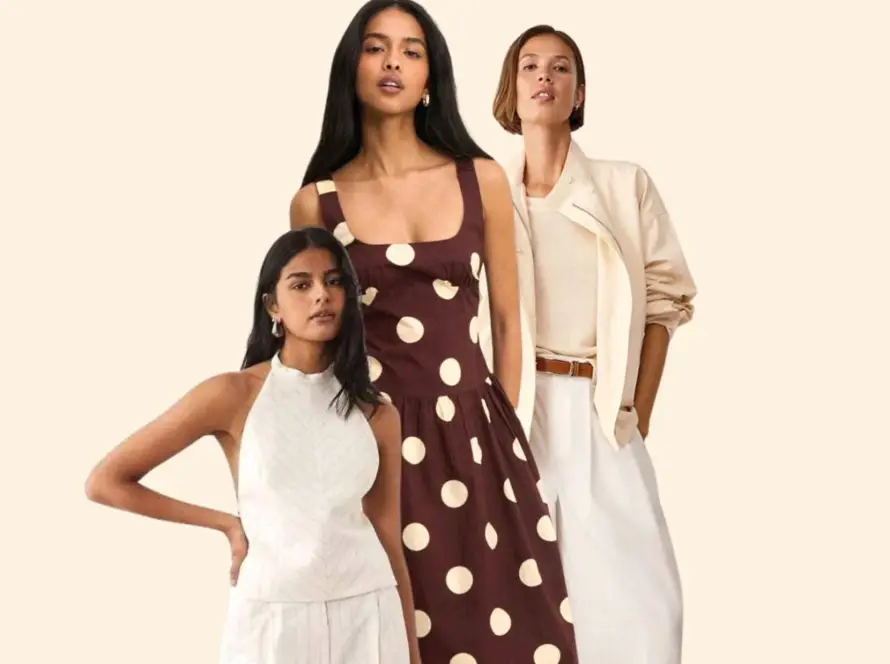
Color trends for 2026 include muted shades like ‘Transformative Teal’ and ‘butter yellow,’ alongside core neutrals that have shifted warmer. Moss, clay, terracotta, rich browns, deep navy, and off-whites function as foundation colors—replacing the cool grays and stark whites of earlier minimalism.
Accent colors for 2026 include digital blue, orchid pink, deep red/burgundy, and metallic silver. Each style adapts these differently: minimalists keep neutrals dominant with strategic digital blue accessories; romantic dressers incorporate soft pastels and orchid pink; edgy aesthetics use deep red and metallics; sporty styles contrast bright colors against neutral bases.
Fabrics & Textures
Light fabrics like organic cotton and linen dominate warm-weather collections. Responsible denim, recycled synthetics, and technical performance fabrics appear everywhere from athleisure to tailoring.
High-impact textures provide visual interest: satin, velvet, structured leather, quilted nylon, sheer organza, and open knits. Elegant styles favor satin and velvet. Grunge incorporates distressed leather. Sporty aesthetics use technical performance fabrics. Bohemian styles embrace natural fabrics and crochet textures.
Silhouettes
Key shapes include wide-leg trousers, long-line blazers, column skirts, mid-rise jeans, maxi hemlines, and layered knits creating soft layers of visual interest. Linen pants in relaxed cuts appear across casual and professional contexts.
The proportional principle: balance oversized pieces with fitted basics. Volume on top requires cleaner lines below. Gentle shapes in knitwear pair with structured bottoms. Patterned skirts work with simple tops.
Street Style, Social Media & How Trends Spread
Fashion Week street style from New York, London, Milan, and Paris (2023–2025) reveals clear shifts: less logo overload, more quiet luxury, stronger tailoring emphasis. Photographers increasingly feature carefully curated outfits mixing vintage finds with current-season designer pieces.
TikTok and Instagram generate micro-trends rapidly—Tomato Girl, Coastal Cowgirl, Mob Wife aesthetics rising and fading within weeks. Users remix runway fashion trends into wearable, budget-friendly interpretations, democratizing access to editorial styling.
Consider the viral formula: big blazer, tiny top, baggy jeans, sneakers. This crosses streetwear, casual, and Y2K categories. The satin midi skirt, once a 2024 viral piece, continues into 2026 with longer hemlines and richer fabric weights.
Pop culture continues driving trends. Music, film, and social media personalities establish visual vocabularies that filter into everyday wear. Fashion icons shape what enters the cultural conversation; street style translates it into reality.
Identifying your personal clothing style often involves experimenting with different aesthetics and understanding what makes you feel confident and comfortable.
How to Wear Fashion Trends Without Losing Your Style
The practical question: how to wear fashion trends without losing your unique style?
Step One: Identify Your Core Style Are you fundamentally classic? Minimalist? Streetwear-oriented? Romantic? Name your foundation before adding trends.
Step Two: Choose One or Two Trends That Excite You Don’t adopt everything simultaneously. A minimalist might choose the quiet luxury trend or sculptural silhouettes. A romantic dresser might embrace Regencycore details. Be selective.
Step Three: Test Through Accessories First Lower-risk experimentation: a minimalist tests metallics through silver ballet flats or a subtle metallic bag. A bohemian dresser incorporates structured tailoring via a linen blazer over a maxi dress. A sporty dresser adds quiet luxury elements through a cashmere hoodie and leather sneakers.
Proportion and Color Tips Balance oversized items with fitted pieces. An oversized coat needs streamlined trousers beneath. Keep a cohesive color palette when experimenting—dark colors anchor bright colors; neutral colors ground busy patterns.
A streetwear fan incorporating romantic details might pair an oversized hoodie with a delicate midi skirt and combat boots—crossing categories intentionally while maintaining body shape awareness through proportional balance.
Where to Shop: Luxury Inspiration & Affordable Alternatives
Luxury Inspiration
For minimal and quiet luxury direction, study The Row, Loewe, and Prada. Their proportions, fabric choices, and color palettes establish the aesthetic vocabulary.
Classic and elegant territory belongs to Chanel, Dior, and Saint Laurent. Watch their runway shows for tailoring details and construction principles.
Streetwear and edgy aesthetics take cues from Balenciaga, Off-White, and select Nike and Adidas designer collaborations.
Romantic and bohemian inspiration flows from Chloé, Zimmermann, and Dries Van Noten—print mastery and color confidence define these houses.
Affordable & Mid-Range Strategies
Look for high-street brands and online retailers echoing these aesthetics. Shop vintage, consignment, and rental platforms for retro, glam, and occasion wear—particularly for pieces you’ll wear infrequently.
Shopping Strategy
Build a capsule wardrobe of versatile items first. Then layer in one or two trend pieces per season. Invest more in tailoring, coats, and shoes that anchor your wardrobe. Spend less on micro-trends—those specific details that may not survive past 2026.
Consider quality construction and natural fibers when investing. Casual outings don’t require designer pieces; everyday wear benefits from durability over status.
Sustainable & Slow Fashion Directions for 2026
Sustainable fashion intersects every style category. Key shifts include greater use of organic, recycled, and traceable fabrics. Designers experiment with upcycling, deadstock materials, and modular garments. Resale, rental, and repair services have entered mainstream consumer behavior.
Minimalists and old money dressers naturally align with sustainability through fewer, higher-quality pieces. Bohemian and artsy dressers embrace vintage, handmade, and repurposed clothing. Streetwear fans increasingly choose limited runs, small labels, and durable sneakers over constant hauls.
Practical guidance: buy natural fabrics where possible—cotton, linen, wool—and care for garments to extend life. Build capsule wardrobes suited to your favorite style. A 10–15 piece minimalist capsule; a small but curated grunge or romantic collection.
Sustainable practices represent fashion-forward 2026 living, not sacrifice. Traditional styles and cultural clothing carry significance beyond trends—The Kimono is a traditional Japanese garment symbolizing elegance, often worn for formal events. The Sari is a traditional Indian garment that is over 5,000 years old. Highland Dress in Scotland features kilts and tartans representing specific clans. Cultural clothing acts as a symbol of national identity and reflects historical significance.
How to Find & Blend Clothing Styles That Suit You
Start with a closet audit. Categorize by context: workwear, weekend, evening, sports. Note which pieces you actually wear and identify which styles they align with.
Pick three style keywords as your personal formula: Minimal + Streetwear + Romantic details. Or Classic + Edgy accents. These keywords become your filtering mechanism for future purchases.
Experiment through accessories first—bags, shoes, jewelry, hats offer lower-risk exploration. Mood-board on Pinterest or save TikToks reflecting desired aesthetics.
Blended Style Examples:
Dark Academia + Grunge: tweed blazer over band tee, plaid skirt, combat boots, dark academia aesthetic with rebellious edge.
Old Money + Sporty: cashmere sweater with tailored track pants and leather sneakers—polished athleticism.
Bohemian + Minimal: simple slip dress with a single statement kimono or artistic scarves—restraint meets free spirit.
Your personal style evolves. It should. The most stylish approach in 2026 isn’t rigid adherence to one category—it’s intentional blending that reflects who you are now, with room to grow.
FAQ
How do I figure out which clothing style fits my body type best?
Rather than restricting styles by body shape, focus on fit and proportion within any style you love. Balance silhouettes: pair voluminous tops with slimmer bottoms, or vice versa. Experiment with different rises in trousers, skirt lengths, and shoulder shapes to discover what feels most comfortable and confident on your frame. Tailors transform fit across all styles and price points—a simple hem adjustment or shoulder alteration can make nearly any aesthetic work for your body.
Can I mix aesthetics like Dark Academia, Streetwear, and Barbiecore in one wardrobe?
Mixing aesthetics reflects how real people dress in 2026. Choose one or two base styles—Streetwear + Minimal, for instance—and use others as accents through color, accessories, or single statement pieces. Keep a cohesive color palette so different aesthetics still look intentional when combined. A streetwear foundation can absorb Barbiecore through hot-pink sneakers; Dark Academia elements enter through a tweed layer.
Which fashion trends in 2026 are most likely to stay versus fade quickly?
Broader shifts—wider-leg pants, longer hemlines, quiet luxury tailoring—carry multi-year staying power. These reflect silhouette evolution rather than novelty. Contrast these with faster micro-trends: extreme cutouts, ultra-specific TikTok aesthetics that may feel dated after one season. Invest in trends aligning with existing style foundations—quality blazers, great denim, versatile knits. Buy micro-trends cheaply or secondhand. Occasion wear is guided by dress codes that dictate appropriate attire for specific events, so invest accordingly.
How can I update my wardrobe for 2026 trends without buying everything new?
Restyle existing pieces: cuff jeans to show boots, belt oversized blazers, layer slip dresses over knits. Swap or resell clothes with friends, visit consignment stores, and tailor older pieces for current silhouettes. Adding just a few key 2026 items—a statement coat, new shoe shape, or bag—refreshes outfits built from older staples. This approach honors sustainability principles while maintaining trend relevance.
What’s the difference between a capsule wardrobe and just having a minimalist style?
A capsule wardrobe is a small, highly curated set of pieces designed to mix and match effectively—it’s a organizational strategy. Minimalist style is an aesthetic focused on clean lines, neutral colors, and visual simplicity. Any style—romantic, edgy, sporty—can be built as a capsule; it doesn’t have to look minimal if pieces are cohesive and limited in number. Pick one or two key styles you love and build a capsule around those foundations, updating with a few 2026 trend pieces each season.