Second-hand luxury fashion in the UK has moved from niche to normal. Whether you want to find a Chanel classic flap at 30% below retail, invest in an Hermès Birkin that appreciates over time, or build a capsule wardrobe of pre-owned designer pieces that last decades, this guide covers everything: the best platforms, how to authenticate, what to buy (and what to avoid), and the brands that hold their value best in 2026.
Why Second-Hand Luxury Fashion Has Gone Mainstream in the UK
The market for pre-owned luxury goods is expanding rapidly – and the UK is at the centre of that shift. The global second-hand luxury market nearly doubled since 2019, reaching an estimated €50 billion in 2025. Domestically, over 55% of UK adults have bought preloved luxury or pre-loved items online in the past year, with the 35–54 age group leading adoption at 61% – these are women who previously would have only shopped retail.
The destigmatisation is complete. What was once “used” is now “pre-loved” or curated vintage, and buying second hand luxury fashion is no longer a compromise – it’s a deliberate style choice. EY’s 2025 Luxury Client Index found that 71% of UK luxury consumers say owning quality goods is their primary motivation, and over 54% of aspirational luxury consumers would consider buying pre-owned directly from brands themselves.
Three forces are driving this:
- Financial logic. Second-hand items generally cost 30% to 70% less than new retail prices, yet certain brands retain or exceed their original price. Buying second-hand luxury items is sustainable and financially savvy – it’s quality over quantity, with a genuine cost-per-wear argument.
- Sustainability. Shopping for pre-owned luxury reduces demand for new production and helps reduce waste. Second-hand clothing promotes sustainable fashion choices, and circular fashion has shifted from fringe concern to mainstream expectation among UK women aged 35–45.
- Access to the rare and discontinued. Buying second-hand luxury can offer unique access to discontinued or rare items – archive pieces, vintage colourways, and styles that brands no longer produce. This is no longer necessity-driven; it’s aspirational.
What to Buy Second-Hand (and What to Avoid)
Strategic shopping matters in the resale market. Some categories offer extraordinary value and low risk; others carry hidden costs or authentication headaches. Here’s how to navigate the range.
Best Categories to Buy Pre-Owned
Designer handbags are the strongest performers. Hermès Birkin bags are highly sought after for investment – PlottData’s 2025 analysis shows Birkin and Kelly styles achieving 85–120% of retail value in resale, depending on rarity and condition. Chanel Classic Flap purses are also considered good investments, with retention at 75–95%. Pre-owned Chanel, second hand Louis Vuitton canvas styles, and pre-loved Hermès bags all offer strong liquidity – thousands of listings move each week across major platforms.
Ready-to-wear classics are where you’ll find the best cost-per-wear ratios. A Burberry trench coat, a Saint Laurent blazer, or a MaxMara camel coat – these are pieces that retain shape, utility, and style across decades. They’re less trend-dependent, so depreciation is gentler. PwC’s Circular Fashion study found that luxury and premium items retain roughly 25–40% of their original retail price when resold, with classic silhouettes consistently at the upper end.
Shoes and accessories round out the strongest categories. Designer shoes offer dramatic price savings (often 50–70% off retail) despite condition considerations – always check soles and leather condition before committing. Accessories like Hermès scarves, belts from Louis Vuitton and Chanel, and brand signature jewellery from houses like Cartier depreciate less severely than apparel and serve as accessible entry points into the luxury resale market.
What to Avoid Buying Second-Hand
Swimwear and lingerie – hygiene risks make these a hard pass, and resale platforms typically restrict them.
Heavily trend-driven pieces that date quickly – bold logos, micro styles, and seasonal “it” items. Depreciation for trend pieces is steep unless the item becomes genuinely iconic over time.
Perfumes and cosmetics – authenticity and safety concerns are serious. Counterfeit bottles are common, and reformulation makes verification nearly impossible without expertise.
Heavily worn leather goods without condition guarantees. Luxury leather should feel supple and smell natural – scuffs, lining damage, and odour reduce resale value drastically, and restoration costs can negate any bargain.
Limited editions that are difficult to authenticate – rare exotic leathers and collaboration pieces give counterfeiters more to work with. Without strong provenance or professional authentication, the risk outweighs the reward.
The Best Platforms to Buy Second-Hand Luxury Fashion in the UK
Using established platforms minimizes risk when buying luxury items. Each platform serves a different segment of the market – here’s what to expect.
Vestiaire Collective
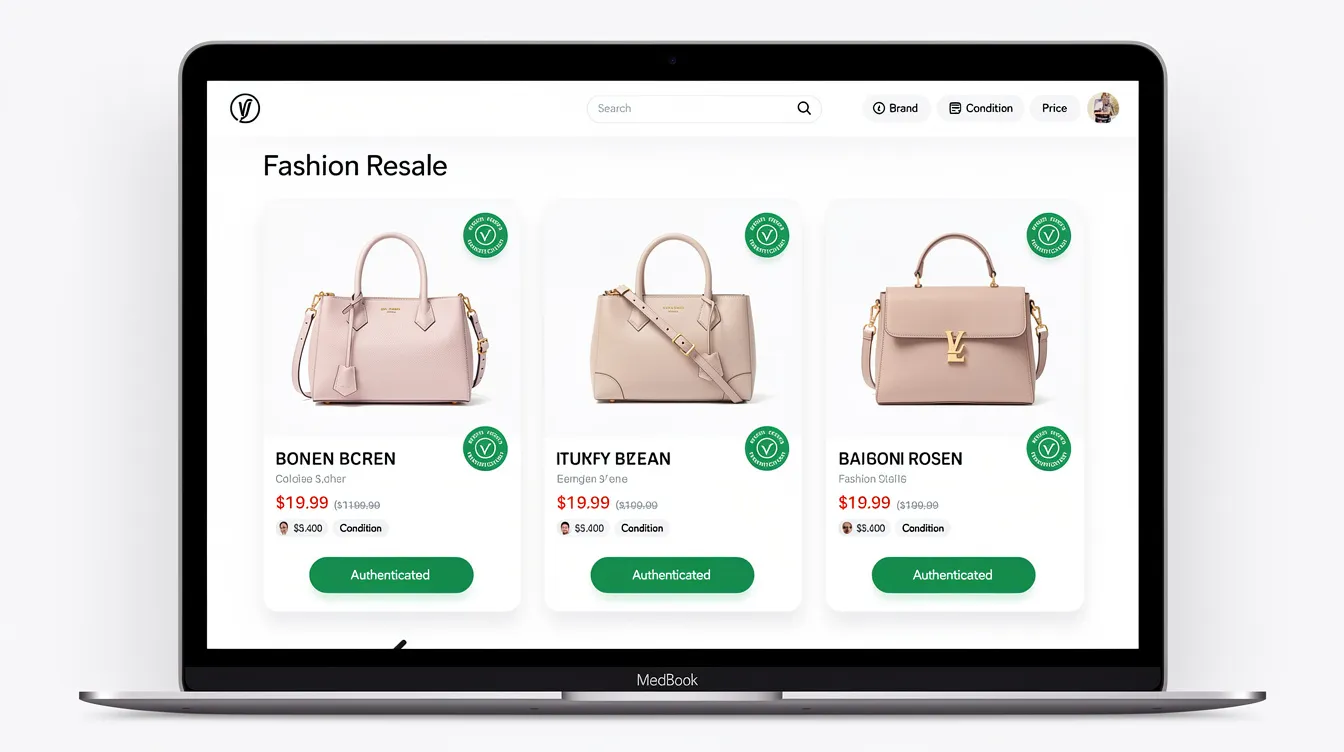
Vestiaire Collective is the dominant platform for second hand luxury fashion in the UK, and for good reason. High-end marketplaces may feature their own authentication processes for luxury items, and Vestiaire’s is among the most thorough: profile monitoring, digital verification, physical authentication, and quality control. Items priced over €1,000 are physically checked at their UK hub in Crawley; below that threshold, buyers can request authenticated shipping for a £15 fee.
Fees for sellers: No listing fee. A 12% commission on items priced between £83 and £16,667, with a fixed £10 fee under £83 and a £2,000 cap on higher-value pieces. A 3% payment processing fee applies on top.
Fees for buyers: A £15 authentication fee when authenticated shipping applies.
Best for: Designer handbags, luxury accessories, and investment pieces from brands like Hermès, Chanel, and Louis Vuitton. The UK selection is strong across handbags, shoes, and ready-to-wear. Items are uploaded daily, and with thousands of new listings each week, setting up saved searches and price alerts is essential.
Trustworthy resale platforms provide buyer protection for valid complaints, and Vestiaire delivers here – though turnaround times for authentication can add several days to delivery, and lower-value items carry proportionally higher fee burdens.
eBay Fashion
eBay offers the largest volume of second-hand designer fashion in the UK, with price advantages that other platforms can’t match. You’ll find everything from a vintage Burberry trench to pre-owned Chanel accessories at competitive prices.
The trade-off is authentication risk. eBay doesn’t physically verify luxury items, so the burden falls on you. Check customer reviews and ratings to assess seller reputation – prioritise Power Sellers with strong feedback scores and detailed condition reports. Use filters for “Authenticity Guarantee” on eligible categories, and always request additional photos of serial numbers, stitching, and hardware before committing. Price comparison across multiple listings is essential before buying second-hand.
Best for: Bargain hunters comfortable doing their own due diligence, and for mid-range luxury brands (Ralph Lauren, Burberry accessories, Louis Vuitton small leather goods) where authentication is more straightforward.
Vinted Luxe
Vinted has evolved from a fast-fashion swap app into a serious player for mid-luxury pre owned items. Brands like Maje, Sandro, and & Other Stories are well-represented, and pricing is aggressive – often 60–70% below retail.
For true luxury (Chanel, Hermès, Prada), Vinted’s limitations become clear: no built-in authentication process, limited buyer protection on high-value items, and a user base that skews more toward contemporary fashion than heritage luxury. That said, the user experience is smooth, and for building a wardrobe of quality contemporary designer pieces, it’s hard to beat on value.
Best for: Contemporary designer fashion, accessories under £300, and women exploring pre-loved luxury for the first time.
Sellier London / The RealReal UK
Sellier Knightsbridge claims to have Europe’s fastest growing luxury resale platform, and their proposition is straightforward: guaranteed authentication, curated inventory, and premium presentation. Authenticators in luxury resale have over 30 years of experience at boutiques like these, and it shows in the quality of their condition reporting and grading.
The RealReal provides a similar model for UK buyers shopping transatlantically – every item authenticated by in-house specialists, detailed condition reports with professional photography, and full buyer protection.
Trade-off: Premium pricing. You’ll pay more than on Vestiaire or eBay, but you buy with maximum security. Luxury resale platforms guarantee authenticity for all items sold through these specialist channels.
Best for: High-value purchases (Hermès Birkin/Kelly, Chanel classic bags, Rolex and Cartier watches) where authentication certainty is non-negotiable.
Instagram and Facebook Marketplace
Direct-seller deals on social media can yield unique finds at excellent prices – private sellers often undervalue their pieces, and you can negotiate directly. Some of the best archive and vintage luxury fashion surfaces here before it reaches major platforms.
Risks are significant. No buyer protection, no authentication, and no recourse if the item isn’t genuine. Red flags include: sellers with no transaction history, blurry or stolen photos, refusal to provide additional images, and pricing that seems too good to be true. If you buy this way, always meet in a public place for local transactions and use PayPal Goods & Services (never Friends & Family) for any remote purchase.
Charity Shops and Car Boot Sales
The reality: genuine luxury finds in charity shops are rare – but they exist. Oxfam offers thousands of pre-loved items online, and items are uploaded daily by dedicated volunteers. Second-hand clothing is available for all sizes and styles through these channels, and the pricing is unbeatable when you do find something.
Where to look: Charity shops in affluent areas consistently yield the best results – Kensington, Fulham, Harrogate, and Edinburgh’s New Town are reliable hunting grounds. Car boot sales in the Home Counties occasionally surface designer pieces from wardrobe clear-outs.
Strategy: Go regularly, go early, and know what to look for. Inspect stitching for consistency and neatness when buying second-hand luxury items – this alone will help you separate genuine pieces from high-street imitations.
How to Authenticate Second-Hand Luxury Items
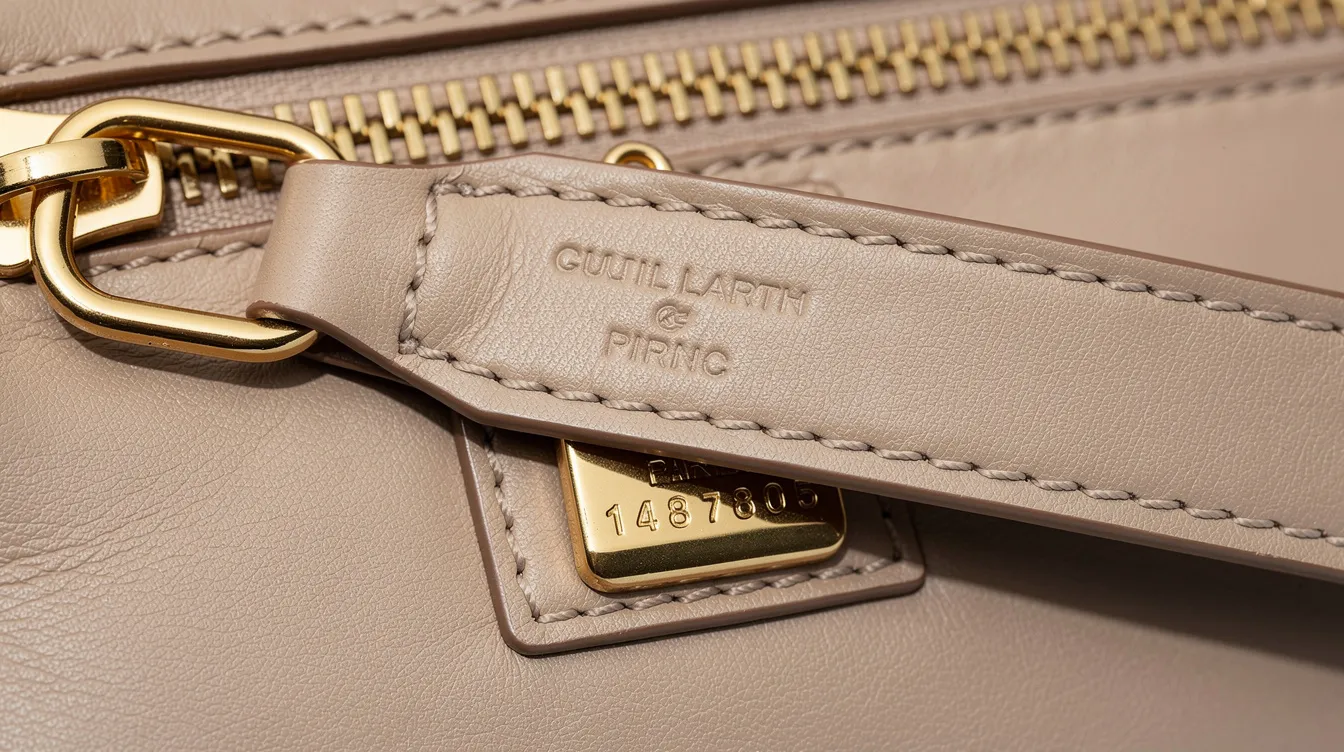
Authentication is the single most important skill in second-hand luxury shopping. Counterfeiters – particularly those producing “superfakes” – now replicate hardware, serial numbers, and even packaging with alarming precision. Detailed condition reports are critical when purchasing second-hand luxury goods, but knowing what to look for yourself is equally essential.
Authentication by Brand
Chanel: Look for the holographic serial number sticker (note: Chanel discontinued serial stickers on bags produced from late 2021 onward, replacing them with microchips). Authentic luxury goods typically exhibit higher-quality craftsmanship and premium materials – on Chanel, this means precise, evenly-spaced couture stitching (typically 9–11 stitches per inch on classic flaps) and high-quality hardware that should feel heavy and resist chipping.
Louis Vuitton: Check LV monogram alignment across seams – the pattern should flow symmetrically. Date codes (pre-2021) or RFID microchips (2021 onward) confirm production origin. Canvas should feel textured, not plasticky, and the Vachetta leather trim should patina naturally over time.
Hermès: The blind stamp (craftsman mark) is your primary identifier. Hermès stitching uses a distinctive saddle stitch technique – each hole is hand-punched, and the thread crosses in a particular pattern that machines cannot replicate. Leather quality is unmistakable on genuine pieces.
Burberry: Check label placement (centred, clearly printed), check pattern alignment at seams, and hardware quality. Vintage Burberry uses a “Burberry’s” label; modern pieces say “Burberry” – knowing the transition helps date and verify pieces accurately.
Red Flags to Watch For
- Pricing too low for the piece. Luxury items often depreciate immediately after purchase, but a grade A Chanel flap at 80% below retail is almost certainly not authentic.
- Sellers with no transaction history or reviews. New accounts selling high-value items without any track record are a major warning sign.
- Blurry photos or images stolen from other listings. Reverse image search is your friend.
- Refusal to provide additional photos of serial numbers, dust bag interiors, stitching close-ups, or hardware engravings.
- Missing original packaging for items typically sold with boxes, dust bags, or certificates of authenticity – particularly bags from Chanel, Hermès, and Louis Vuitton.
Professional Authentication Services UK
When the item justifies the cost, professional authentication eliminates doubt entirely. Reputable platforms often offer authentication services to avoid counterfeit goods, but independent services provide an extra layer of certainty.
Entrupy uses AI-powered analysis across over 20 major brands (Chanel, Hermès, Louis Vuitton, Burberry, and more) with near-100% accuracy and a money-back guarantee if authentication proves wrong. Most identifications return in minutes. Entrupy operates on a subscription-token model, and several UK-based partners offer the service.
UK boutique authenticators like High Heel Hierarchy provide hands-on authentication – approximately £65 per non-Hermès bag and £200 for Hermès bags, with an Entrupy certificate included. Dress Cheshire is another trusted UK option, combining microscopic photography with expert evaluation.
Platform-integrated authentication from Vestiaire Collective and The RealReal remains the most convenient option for most buyers – the authentication fee is built into the transaction, and rejected items never reach you.
Cost-benefit analysis: For any purchase over £500, a £65–£200 authentication fee represents excellent insurance. Potential resale value can be significant for well-maintained luxury items, and a certificate of authenticity protects that value when you eventually sell.
How to Get the Best Deals on Second-Hand Luxury Fashion UK
Seasonal timing matters. January and July are when the best deals surface on platforms like Vestiaire Collective – sellers clearing wardrobe space after the holidays or before summer create a supply glut that pushes prices down. End-of-season transitions are your window.
Set up price alerts and saved searches on every platform you use. Vestiaire Collective, eBay, and Vinted all offer notification tools. The best-priced items sell within hours of listing – you need to be there when they drop.
Brands with the highest depreciation rates offer the best bargains. Prada bags and shoes, Saint Laurent ready-to-wear, and Louis Vuitton seasonal collections often depreciate significantly in the first two years – meaning you can buy sell-ready pieces at substantial discounts. Meanwhile, Hermès and Chanel appreciate or hold flat, making them better as investment pieces than as bargain targets.
Know the difference between timeless and trendy. A Chanel Timeless bag or a Burberry trench will hold value and style relevance for years; a trend-driven micro bag from a recent collection may look dated within eighteen months. For your capsule wardrobe, prioritise classics with proven staying power – the kind of pieces that define a French girl style approach to dressing.
Negotiate on direct sales. On eBay, Vinted, and especially Instagram and Facebook Marketplace, sellers expect offers. Research comparable listings, make a reasonable offer (10–20% below asking is standard), and be ready to move quickly. Items added daily across platforms mean fresh negotiation opportunities constantly.
The Best Second-Hand Luxury Brands to Look For in the UK
The luxury resale market includes brands like Hermès and Chanel, but the UK market has its own hierarchy shaped by local demand, availability, and cultural relevance.
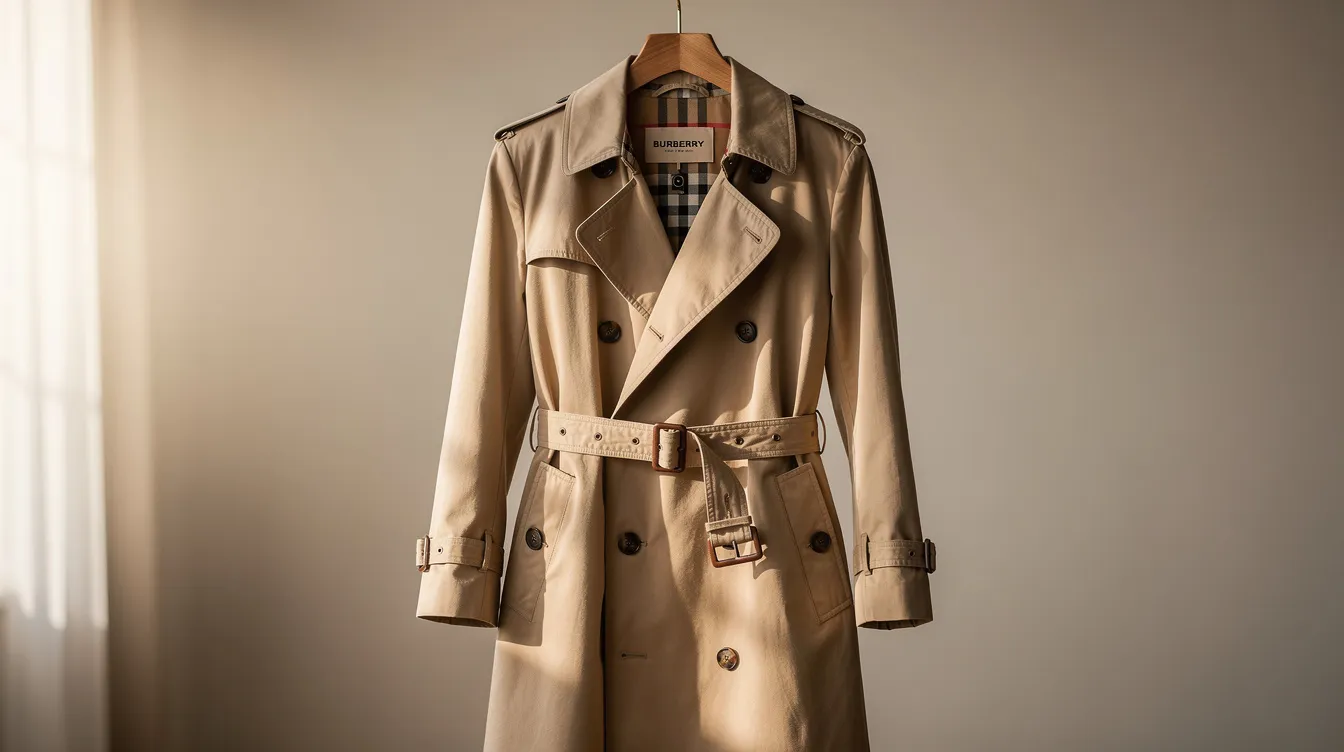
Burberry – The Burberry trench coat is the most searched pre-owned luxury item in the UK. Relatively easy to authenticate, widely available in second hand, and priced reasonably in pre-owned condition. A vintage Burberry trench in good condition is one of the smartest buys in the UK resale market – a genuine wardrobe essential.
Chanel – Classic bags (the 2.55, Boy Bag, Timeless) are now worth more in 2026 than at their original purchase price, thanks to Chanel’s aggressive retail price increases. Chanel tweed jackets also perform strongly. Authenticity guarantees are common for pre-owned designer bags on major platforms, making this a safer category than many assume.
Hermès – Birkin and Kelly bags function as financial assets – Hermes Birkin bags are highly sought after in the resale market, with retention rates of 85–120%. For those not ready to invest thousands, Hermès silk scarves offer an accessible entry point to the brand at £150–£300 pre-owned.
Saint Laurent – Strong resale value across ready-to-wear (blazers, leather jackets) and handbags. The Sac de Jour and Kate bag hold 50–60% of retail value, and the brand’s aesthetic is timeless enough to avoid sharp depreciation.
MaxMara – The iconic camel coat is one of the best investments in pre-owned outerwear. Quality that lasts decades, minimal branding that never dates, and second-hand prices that make this accessible to a far wider range of buyers.
Prada – Bags and shoes with consistent UK demand. The Re-Nylon line has strong sustainability credentials, and Prada’s quieter luxury aesthetic means less trend-driven depreciation.
Louis Vuitton – The volume leader across every UK platform. Canvas styles like the Neverfull and Speedy retain 50–65% of retail value. Small leather goods – wallets, belts, cardholders – offer the most accessible entry point into pre owned luxury, with thousands of options at any given time.
For colour context, Rebag’s Clair Report found that trending colourways (particularly pinks) held approximately 81% of their value versus 76% for neutral tones – so colour, rarity, and condition all matter when assessing investment potential. In 2025, Goyard overtook Hermès in overall retention for the first time, achieving 104% retention versus Hermès’s ~100%.
Selling Your Own Luxury Pieces: How to Get the Best Price
Most women who buy pre-owned luxury eventually sell too – it’s the buy sell cycle that makes circular fashion work financially. Here’s how to maximise your return.
Preparation is everything. Have pieces professionally cleaned before listing. Gather all documentation: receipts, dust bags, boxes, certificates of authenticity. Photograph in natural light with close-ups of hardware, serial numbers, labels, and any minor wear – transparency builds buyer confidence and commands higher prices.
Choose the right platform for the item. Sell high-value pieces (over £1,000) on Vestiaire Collective or through Sellier London, where authentication adds buyer trust and justifies premium pricing. For mid-range products (£100–£500), eBay and Vinted offer lower fees and faster sales. For items under £100, Vinted’s zero-seller-fee model is unbeatable.
Pricing research. Search completed listings on eBay, active listings on Vestiaire, and use tools like Rebag’s Clair to understand current market value. Price comparison across multiple listings is essential – overpricing leads to stale listings, and underpricing leaves money on the table.
Commission fees comparison:
| Platform | Seller Fee | Processing Fee |
|---|---|---|
| Vestiaire Collective | 12% (£83–£16,667) | 3% |
| eBay | ~12.8% final value fee | Included |
| Vinted | 0% seller fee | Buyer pays |
| Sellier London | Varies (consignment) | Included |
What sells quickly: Chanel classic bags, Hermès accessories, Burberry trenches, and Louis Vuitton canvas bags. What requires patience: Shoes (size-dependent demand), heavily seasonal pieces, and brands outside the top resale tier.
Timing: List coats and knitwear in September–October. List dresses and lighter pieces in March–April. Avoid listing luxury items in December when buyer attention shifts to new retail purchases.
Second-Hand Luxury Fashion and Sustainability
Second-hand clothing can significantly reduce fashion waste – and the environmental case for pre-owned luxury is stronger than for any other segment of fashion. Every second-hand luxury purchase avoids the raw material extraction, manufacturing emissions, water use, and chemical processing required to produce a new item.
PwC’s Circular Fashion report confirms that luxury items retain significantly more value through resale channels than fast fashion, meaning circular economy principles work most efficiently at the luxury end. A Chanel jacket resold three times over twenty years represents dramatically lower environmental impact per wear than buying three new coats at any price point.
For UK consumers aged 35–45, this matters. Sustainable fashion is no longer abstract – it’s a concrete way to align values with purchasing decisions. Pre-owned luxury beats new “fast luxury” from brands like Zara’s premium lines or & Other Stories not because it’s cheaper (though it often is), but because the products are built to last decades rather than seasons.
The data supports the shift: UK consumers increasingly expect sustainable credentials from the brands and platforms they shop, and second-hand luxury sits at the intersection of quality, value, and environmental responsibility.
Frequently Asked Questions
Is second-hand luxury fashion worth buying?
Yes. Second-hand items generally cost 30% to 70% less than new retail prices, and well-maintained luxury items from brands like Hermès, Chanel, and Louis Vuitton can retain or increase in value over time. It’s both a style decision and a financial one – and for many women, it’s the way to access designer pieces that would otherwise be out of reach.
How do I know if a luxury item is authentic?
Inspect stitching for consistency and neatness. High-quality hardware should feel heavy and resist chipping. Luxury leather should feel supple and smell natural. Beyond physical inspection, use professional authentication services like Entrupy or boutique authenticators for any purchase over £500. Platforms like Vestiaire Collective and The RealReal offer built-in authentication.
What is the best platform for second-hand luxury in the UK?
For authenticated luxury, Vestiaire Collective offers the strongest combination of selection, authentication, and buyer protection. For volume and bargains, eBay Fashion. For mid-luxury contemporary brands, Vinted. For guaranteed authentication on high-value investment pieces, Sellier London.
Is Vestiaire Collective safe to buy from?
Yes. Vestiaire physically authenticates items over €1,000 and offers authenticated shipping with a £15 buyer fee for lower-value items. Trustworthy resale platforms provide buyer protection for valid complaints, and Vestiaire’s refund policy covers items that fail authentication or don’t match listing descriptions. Some buyers report delays during peak periods, but the authentication process is robust.
What luxury brands hold their value best?
Hermès leads all brands – Birkin and Kelly bags retain 85–120% of retail value. Chanel Classic Flaps hold 75–95%. Goyard recently achieved 104% retention. Louis Vuitton, Saint Laurent, and Prada sit in the 45–65% range depending on the specific item and condition.
Can I return items bought on second-hand platforms?
Policies vary. Vestiaire Collective allows returns within a defined window for items that don’t match their description. The RealReal offers a similar return window. eBay provides buyer protection through its Money Back Guarantee. Vinted’s policy is more limited. Always read platform terms before purchasing – returns on authenticated items typically require the authentication tags to remain attached.
How do I find bargains on Vestiaire Collective?
Set up saved searches for specific brands and styles. Enable price-drop notifications. Shop end-of-season windows (January and July) when sellers clear wardrobe space. Filter by “newly listed” to catch underpriced items before others. Look for listings without professional photography – private sellers who don’t stage their items often price more competitively, and with thousands of items added daily, fresh opportunities are constant.