As the temperature drops and the air becomes colder and drier, maintaining a consistent skincare routine in winter is essential to protect your skin from the harsh effects of cold weather. Skin in winter faces unique challenges, such as increased dryness, tightness, and a greater need for specialized care. Cold weather can disrupt the skin’s natural defenses by reducing sebum production, making the skin more vulnerable. Indoor heating further reduces humidity levels, contributing to skin dehydration. We also tend to drink less water in winter, which can indirectly affect the texture of our skin. Additionally, the skin loses more moisture in winter due to the lack of water vapor in the air. Winter can strip your skin of its natural oils and moisture, leading to dry skin, irritation, and increased sensitivity. To keep your skin healthy, hydrated, and radiant throughout the colder months, follow these key steps and tips to winter-proof your skin.

Understanding skin barrier
Your skin barrier is the body’s first line of defense against external stressors, including cold weather, wind, and dry indoor air. This outermost layer is made up of natural oils and lipids that help retain moisture and keep your skin healthy and hydrated. During the winter months, factors like low humidity, cold temperatures, and indoor heating can weaken the skin barrier, leading to increased dryness, irritation, and sensitivity.
Protecting and repairing your skin barrier is essential for maintaining a hydrated complexion throughout winter. Look for skincare products with hyaluronic acid, ceramides, and fatty acids—these ingredients help replenish moisture, reinforce the barrier, and shield your skin from the drying effects of winter. By prioritizing your skin barrier, you can prevent winter dryness and keep your skin feeling comfortable and nourished.
Skin types and needs
Every skin type reacts differently to the challenges of winter, so it’s important to tailor your winter skincare routine to your unique needs. If you have dry skin, focus on extra hydration and nourishing products to combat flakiness and tightness. Sensitive skin benefits from a gentle cleanser and soothing, fragrance-free formulas to minimize irritation. Normal skin can maintain a healthy, hydrated complexion with a balanced routine that includes a gentle cleanser, moisturizer, and daily sunscreen. Oily skin still needs hydration—opt for lightweight, non-comedogenic products that help control shine without stripping the skin. Understanding your skin type and its specific needs during the winter months is essential for choosing the right skincare products and maintaining a healthy, radiant complexion all season long.
Sensitive skin concerns
Sensitive skin often needs a little extra TLC during the winter months, as cold weather and dry air can trigger irritation, redness, and discomfort. To keep sensitive skin calm and protected, choose gentle, fragrance-free products that won’t strip away natural oils. Look for soothing ingredients like aloe vera, hyaluronic acid, and vitamin C, which help hydrate and strengthen the skin while reducing inflammation. Avoid using hot water, as it can further dry out and irritate sensitive skin, and steer clear of harsh cleansers or exfoliants. By focusing on gentle care and nourishing ingredients, you can help your sensitive skin stay comfortable and healthy throughout the winter.
Skincare routine steps during winter and cold weather
1. Cleanse gently
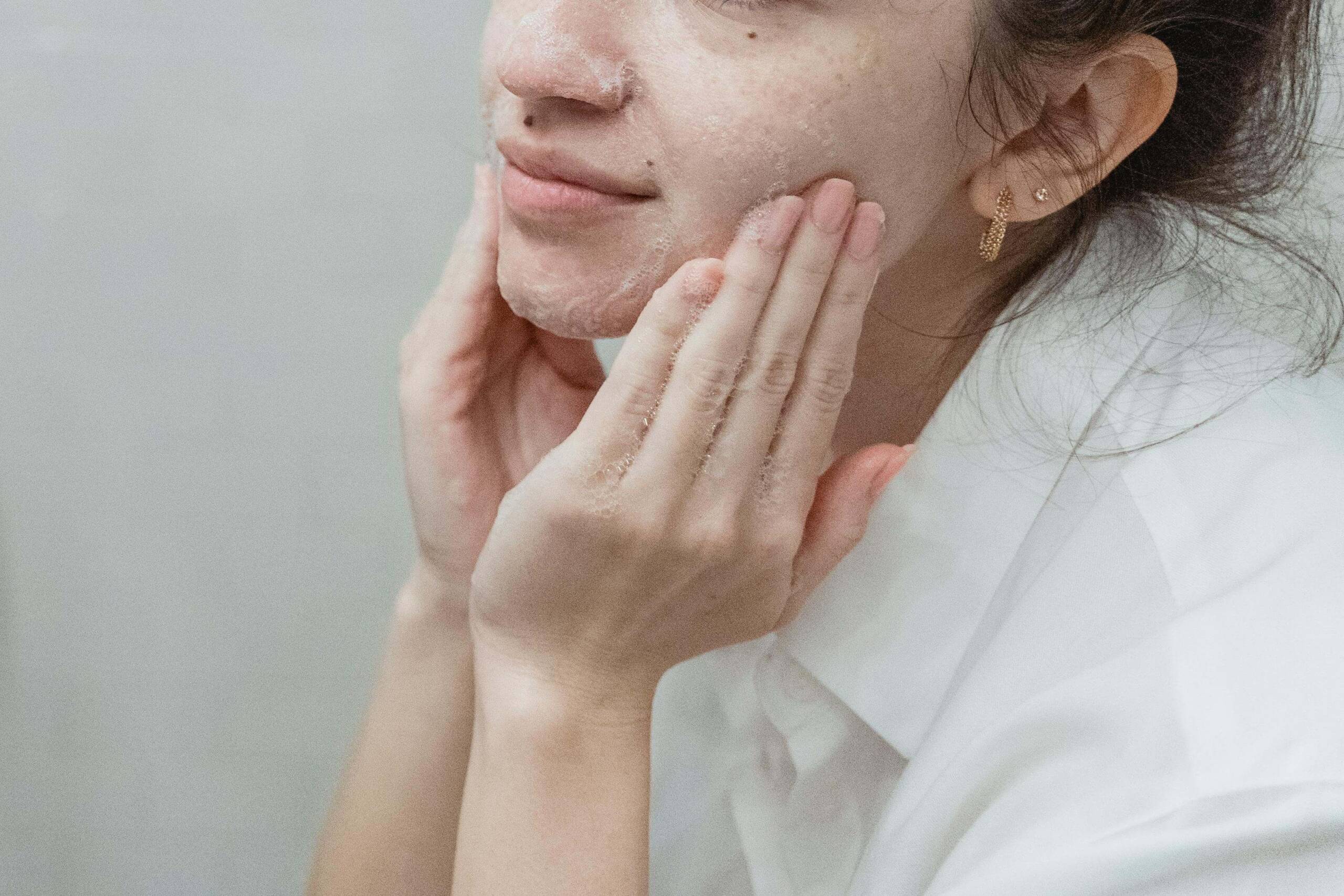
Start your winter skincare routine with a gentle cleanser that cleanses without stripping your skin of its natural oils. Gentle cleansing involves swapping foaming or sulfate-based cleansers for creamy, non-stripping, or oil-based versions to help maintain optimal hydration levels. Avoid harsh soaps or cleansers with alcohol, which can exacerbate dryness and irritation. Using hot water for cleansing can worsen dryness and dehydration by stripping the skin of its natural oils, so always opt for lukewarm water to help preserve your skin’s lipid barrier. Improper cleansing or harsh cleansers can leave your skin feeling tight and uncomfortable. A gentle cleanser helps maintain your skin’s natural barrier and prepares it for hydration. In the evening, make sure to thoroughly but gently remove makeup, SPF, and impurities to prevent dryness and irritation.
2. Exfoliate sparingly
Dead skin cells can accumulate more in winter due to slower skin renewal, leading to a dull complexion and flaky patches. Use a mild exfoliator once or twice a week to remove dead skin and promote a smooth, hydrated complexion. Avoid over-exfoliating, which can damage the skin barrier and increase sensitivity.
3. Use hydrating ingredients
Incorporate skincare products with hydrating ingredients for added hydration, such as hyaluronic acid, glycerin, and aloe vera. These ingredients help retain moisture and soothe dry winter skin. Hyaluronic acid, in particular, is a powerful humectant that draws moisture from the air and locks it into the skin, keeping it plump and hydrated.
4. Moisturize thoroughly
Moisturising is crucial during the winter months to lock in hydration and reinforce the skin’s natural barrier. Transition to a thicker, richer face cream in winter to provide a protective barrier against harsh elements. Cream moisturisers are ideal for winter as they provide richer hydration compared to lighter formulations. Choose a rich, nourishing moisturiser formulated for dry skin that contains fatty acids, ceramides, or squalane to protect against moisture loss and support the skin’s natural barrier. Apply moisturiser immediately after cleansing to seal in hydration.

5. Protect your skin from cold and wind
Cold air and wind can further dehydrate and irritate your skin. The area around the nose is particularly prone to dryness, scaling, and irritation in winter due to environmental triggers and increased skin sensitivity. Protect exposed areas by covering up with scarves, gloves, and hats when outdoors. Using a moisturizer with occlusive ingredients can also create a protective barrier against external stressors. Ingredients like niacinamide, panthenol, and oat extract are especially helpful for calming winter-induced redness and irritation.
6. Consider vitamin C and other active ingredients
Expert advice from dermatologists highlights the importance of choosing the right active ingredients for your skincare routine in winter. Vitamin C is an antioxidant that not only helps brighten the complexion and even out skin tone, but also protects against environmental stress and brightens winter dullness. Including a vitamin C serum in your morning routine can provide added protection and promote a healthy glow. For sensitive or dry skin, opt for formulations that are gentle and well-tolerated.
Other beneficial active ingredients for winter skincare include niacinamide, which supports the skin barrier and reduces inflammation, and ceramides that help retain moisture. Peptides and shea butter are also effective for barrier repair, helping to strengthen and restore the skin during harsh winter conditions. Avoid harsh exfoliants or retinoids if your skin is highly sensitive during the colder months.
7. Use sunscreen year-Round
Even in winter, UV rays from the winter sun can damage your skin and accelerate aging. Apply a broad-spectrum sunscreen with at least SPF 30 daily, especially on exposed areas like the face and hands, to protect your skin from UV damage.
8. Adjust your evening routine
A consistent nighttime skincare routine is crucial for preventing dry skin in winter. In the evening, it’s important to use a thorough yet gentle cleanser to remove accumulated makeup, SPF, and impurities. Avoid the continued use of fragranced or essential oil-based products at night, as this can lead to ongoing irritation and dryness, especially for sensitive skin.
At night, your skin repairs and regenerates, so an effective evening routine is vital. Use a gentle cleanser, followed by a nourishing serum or treatment with hydrating ingredients, and finish with a rich night cream or facial oil to provide extra TLC and support skin barrier repair.
9. Stay hydrated and maintain healthy habits
Remember that skincare also comes from within. Drink plenty of water and eat a water-rich diet to help stave off skin dehydration during winter months. Include foods rich in omega-3 fatty acids to support skin health from within. Using a humidifier in your bedroom helps maintain 40-50% humidity, counteracting the drying effects of central heating and benefiting skin hydration.

Don’t forget to care for your body by using nourishing body creams, oils, and lotions to prevent dryness, improve skin appearance, and address conditions like keratosis pilaris. Bath oils can help soothe dry skin and reduce itching. Protect your lips with a rich lip balm to prevent them from becoming dry and chapped in winter. Avoid essential oils in body and lip care products, as they can cause irritation, especially when skin is already stressed by winter conditions. Pay special attention to the delicate eye area by reapplying a hydrating serum or using a specific eye cream to prevent dryness and damage.
By following these winter skincare tips and using the right products, you can maintain a hydrated, protected, and glowing complexion all season long.
Common mistakes
Many people unknowingly make mistakes in their winter skincare routine that can lead to dryness, irritation, and other skin issues. Using a harsh cleanser or skipping a gentle cleanser altogether can strip your skin of its natural oils, making dryness and irritation worse. Not moisturizing regularly, or using a product that isn’t suited to your skin type, can leave your skin feeling tight and uncomfortable. Forgetting to apply sunscreen during the winter months exposes your skin to the damaging effects of the winter sun, leading to premature aging and skin damage. Taking long, hot showers and using harsh skincare products can also compromise your skin’s health. Lastly, not getting enough sleep can impact your skin’s ability to repair and stay hydrated. By avoiding these common mistakes and sticking to a gentle, hydrating winter skincare routine, you can keep your skin healthy, resilient, and glowing all winter long.