There is a version of getting dressed that feels effortless — where every outfit makes sense, where your wardrobe works for your actual life, and where you step out the door feeling genuinely put-together rather than just clothed. That version of dressing is not the exclusive domain of models, stylists or anyone with an unlimited budget. It is the result of understanding a handful of principles — and applying them consistently.
This guide is the most complete resource we have ever published on women’s fashion. Whether you are starting from scratch, refining a wardrobe that already exists, or simply trying to make sense of what is happening in fashion right now, this is your reference point. We cover the 10 key trends of 2026, the 15 wardrobe essentials every woman needs, outfit formulas for every occasion, the golden rules of style, and everything in between.
Bookmark it. Come back to it. Share it. This is the guide that links everything else together.
What Does “Good Style” Actually Mean in 2026?
The fashion industry would like you to believe that good style means being current — keeping up with what walked the runway last season, buying into micro-trends before they peak, refreshing your wardrobe every three months. This is, to put it bluntly, nonsense. It is also extremely profitable for the brands selling you the idea.
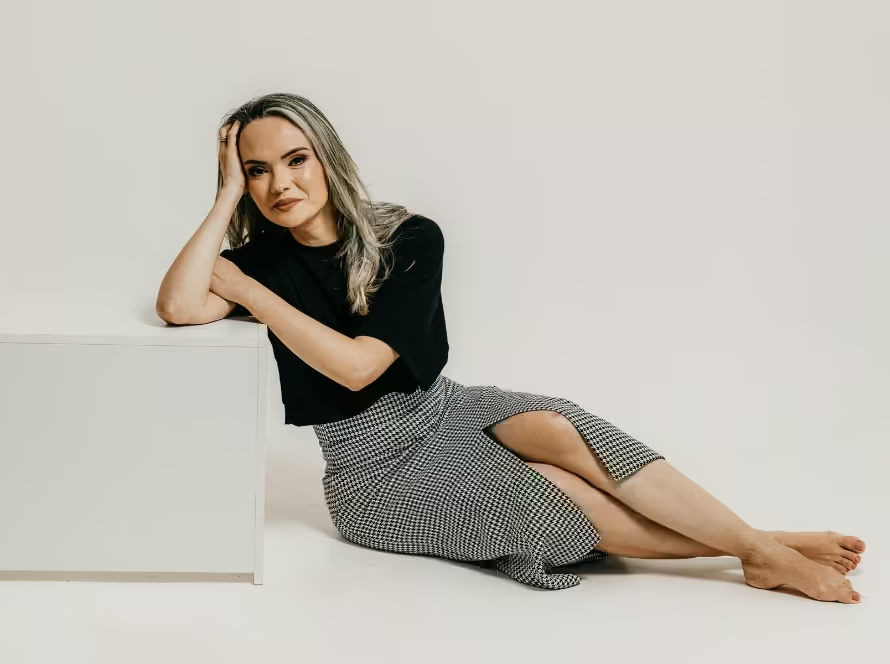
Good style in 2026 means something far simpler and far harder: knowing yourself. It means having a clear sense of what you like, what works for your body and your life, and the confidence to dress accordingly — regardless of what is technically “in” at any given moment.
The women who consistently look stylish — the ones you notice on the street, in cafes, at work — are not necessarily the ones wearing the most expensive clothes or the most on-trend pieces. They are the ones whose outfits feel intentional. Cohesive. Theirs.
“Style is knowing who you are, what you want to say, and not giving a damn.” — Orson Welles
Before we get into trends and pieces, it helps to understand the three pillars that everything else hangs on. Fit is the single most powerful tool in dressing well — a well-fitted affordable blazer will always look more expensive than an ill-fitting designer one. Coherence matters more than individual pieces — a wardrobe built around a consistent colour palette and a few recurring silhouettes will always produce better outfits than a closet full of statement pieces that never speak to each other. And confidence is the final, non-negotiable ingredient — the most fashionable thing you can wear is visible ease with yourself.
The 10 Fashion Trends Defining 2026
Trends in 2026 are not about costume. The dominant direction across every major fashion week — from Paris to Milan to London — is one of considered dressing: quality fabrics, thoughtful silhouettes, and a decisive move away from disposability. Here are the ten trends that matter most this year.
Quiet Luxury leads the conversation. Elevated basics in neutral tones, exceptional fabrics, no visible logos. The anti-streetwear statement of the decade. Think The Row, Loro Piana, Toteme. The power is in what is not said.
Sheer and Layered Dressing is transparency done tastefully — organza over a slip dress, mesh over a bodysuit. Layering creates depth and allows year-round versatility without sacrificing elegance.
Oversized Tailoring means broad-shouldered blazers, wide-leg trousers, boxy suiting. Power dressing reclaimed — not corporate, but commanding. The silhouette is deliberate and unapologetic.
Butter Yellow is the colour of the season. Warm, optimistic and surprisingly wearable across skin tones. It pairs effortlessly with white, camel and navy, and photographs beautifully at every hour of light.
Ballet-core continues its hold on fashion — satin skirts, wrap cardigans, ballet flats and soft pastel tones. The enduring influence of Miu Miu’s romantic femininity, made wearable for everyday life.
Denim-on-Denim is back and completely chic. The Canadian tuxedo, updated. The key is mixing washes — darker on the bottom, lighter on top, or vice versa. It works because it looks considered rather than accidental.
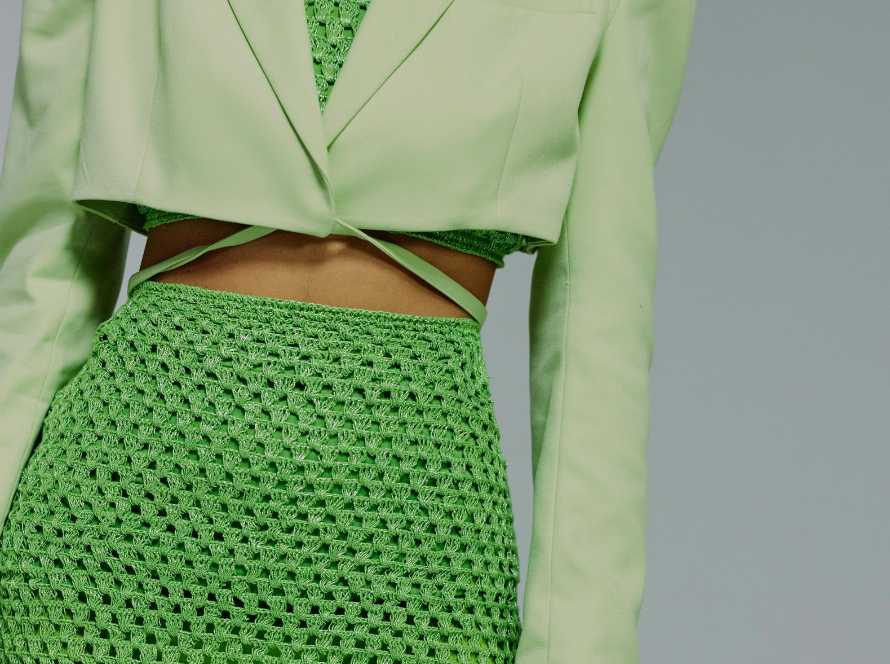
Cut-Out Details bring strategic openings at the waist, shoulder or back. Precise and body-aware. More editorial than revealing — this trend is about form and architecture, not exposure.
Boho Revival offers maxi skirts, peasant blouses and woven bags, but in a more refined register than previous iterations. Less Coachella, more Hydra at golden hour. Texture and movement are everything here.
Statement Sleeves add dramatic volume at the cuff or shoulder. A single statement-sleeved top elevates an otherwise simple outfit instantly — it does the work so everything else does not have to.
Sport Luxe closes the list. Athletic pieces — track pants, trainers, bomber jackets — elevated with tailoring or luxury accessories. Effortless, enormously practical, and impossible to get wrong when the proportions are right.
The most wearable approach to all of this is the 80/20 rule: build 80% of your wardrobe from timeless, versatile pieces and use the remaining 20% for the trend-led items that genuinely excite you. This way you stay current without losing coherence.
15 Wardrobe Essentials Every Woman Needs
A wardrobe built on the right foundations requires fewer decisions, produces better outfits and costs less over time than one assembled piece by reactive, trend-chasing piece. These are the 15 core essentials that form the backbone of a functional, stylish wardrobe — the pieces from which dozens of outfits can be built for every context of your life.
01. The White Button-Down. Desk to dinner, tucked or open over a slip dress. The most versatile single item in any wardrobe, full stop.
02. The Tailored Blazer. In a neutral — black, camel, navy or ivory. Elevates everything it touches. Buy the best one you can afford and wear it relentlessly.
03. Straight-Leg Jeans. High-waisted, in a dark or medium wash. The most universally flattering denim silhouette, and the one that has remained relevant longest.
04. A Classic Trench Coat. The most elegant outerwear ever designed. Wear it for twenty years. It will never look wrong, and it will never go out of style. Discover how to style 5 trench coat in this guide !
05. The Little Black Dress. Simple, well-cut, in a fabric that does not crease. The foundation of every dressy occasion you will ever face.
06. Neutral Knits. Cashmere or merino, in cream, oatmeal, grey or black. Works as a layer over a shirt or alone as the hero piece of a casual outfit.
07. Tailored Trousers. Wide-leg or straight, in a neutral. More elegant than jeans in most settings, more comfortable than a skirt in most others.
08. White Trainers. Clean, simple, quality leather or leather-effect. They make every outfit look more modern and more considered. Replace them when they yellow.
09. Ankle Boots. In black or a warm tan. The most versatile shoe in the wardrobe — they work with dresses, jeans and trousers equally well, across every season but the height of summer.
10. A Silk or Satin Camisole. Under a blazer, under a sheer blouse, alone with tailored trousers. Pure, effortless elegance that costs less than almost anything else on this list.
11. The Quality Everyday Bag. Structured, in neutral leather. Buy once, buy well. One great bag does more for your overall style than five mediocre ones, and it will last a decade with proper care.
12. A Striped Top. Breton or engineered stripes. The casual, European wardrobe staple that never fails and works for every body type and age.
13. A Midi Skirt. In a fluid fabric — satin, silk, viscose. Feminine but genuinely wearable. The most adaptable skirt length, hitting below the knee and above the ankle. You can get to know how to style a midi pencil skirt for fall by reading the full article guide.
14. Loafers. Chunky or classic. The shoe that bridges casual and smart with zero effort and considerable elegance.
15. A Simple Jumper Dress. Ribbed or fine-knit, in a neutral. The easiest one-piece outfit in the wardrobe — throw it on, add boots, and you are done.
How to Dress for Your Body Type (and Break Every Rule)
The conventional wisdom on dressing for your body type is well-intentioned and largely unhelpful. The idea that certain silhouettes should hide parts of your body, or that certain shapes should or should not wear particular things, is rooted in a very narrow idea of what a body is supposed to look like — and it produces anxious dressing rather than confident dressing.
The more useful framing is this: what silhouettes make you feel most like yourself? That said, there are genuine principles of proportion and balance that can inform how you dress — as tools, not rules.
Great outfits typically observe a principle of volume balance: if the top is oversized or voluminous, the bottom is fitted. If the skirt is full and dramatic, the top is simple and neat. This is why a great blazer over slim trousers works so elegantly, and why a billowing blouse tucks into tailored trousers rather than sitting loose over them. The contrast creates the interest; the balance creates the coherence.
Instead of thinking about hiding or emphasising parts of your body, think about creating a silhouette that feels balanced and intentional. High-waisted pieces lengthen the legs — useful for everyone. A belt at the waist defines structure — again, useful for everyone. A monochromatic look creates a clean, elongated line — one of the easiest and most powerful tricks in dressing.
What truly matters more than any body type rule: fit at the shoulders (jackets and shirts that fit here look custom-made and everything else can be altered), hem length (the point at which a skirt or trouser ends changes the perceived proportions of your entire outfit), and fabric weight (heavy fabrics add visual weight; lightweight fabrics skim and move — use this deliberately).
The most reliable rule of all: break one rule per outfit, intentionally. Mixing a masculine blazer with an ultra-feminine skirt creates tension that makes an outfit interesting. The unexpected contrast is the whole point.
The Art of French Girl Style: Effortless Dressing Explained
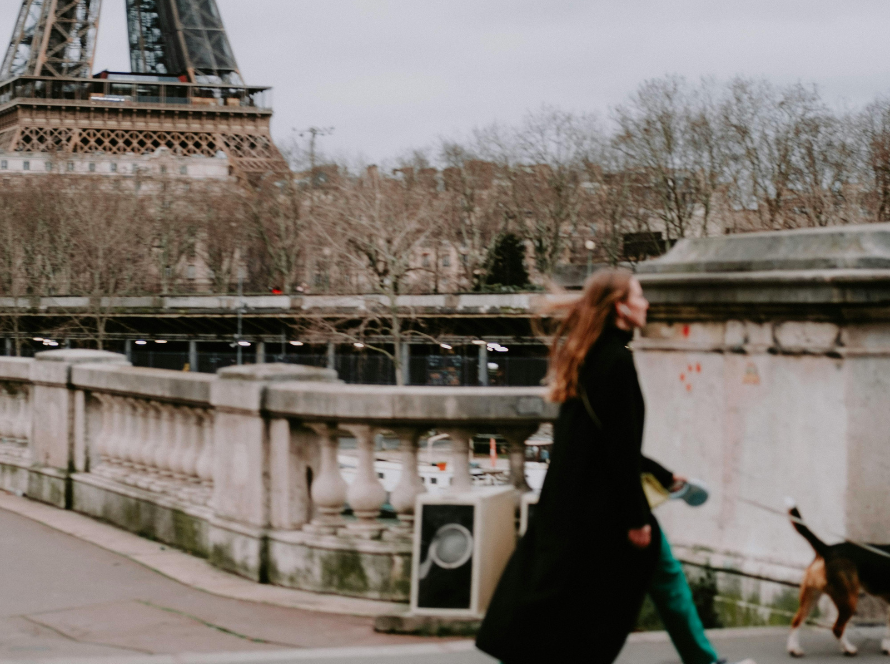
No single style aesthetic has been more analysed, romanticised or misunderstood than the Parisian approach to dressing. And yet the fundamental principle of French girl style is almost comically simple: dress for yourself, invest in quality, own fewer things, and never look like you are trying too hard.
The Parisian wardrobe is built around the same core essentials outlined above — with one key difference in application. Where many wardrobes accumulate pieces, the French wardrobe edits ruthlessly. The average Parisian woman’s closet contains perhaps 40 to 50 carefully chosen items that work together seamlessly, rather than 200 pieces of which only a handful get worn.
The unmissable pieces of the French wardrobe are the marinière — the Breton striped top in navy and white, slightly loose, worn with everything — the blazer in camel or navy thrown on over everything, the straight-leg jean in a dark wash with a simple hem tuck, the ballet flat in neutral leather worn from morning to evening, and the silk scarf tied at the neck or wrist, never matching, always deliberate.
“A French woman does not dress to impress. She dresses to feel like herself — and that confidence is what makes every outfit extraordinary.”
The styling philosophy extends beyond the clothes. French women are known for the dégradé — the intentional imperfection. The slightly undone collar. The hair that has not been styled into submission. The lipstick applied and partially worn away. It is not carelessness. It is a very studied form of ease, and it is almost impossible to fake — which is why the only real way to achieve it is to genuinely stop caring what anyone else thinks of your outfit.
For everything you need to know about achieving this aesthetic, read our full guide: French Girl Style: How to Dress Like a Parisian.
Outfit Ideas by Occasion: Work, Weekend, Date Night and Events
One of the most common wardrobe frustrations is owning plenty of clothes and feeling like you have nothing to wear. This usually happens not because you lack pieces, but because you lack outfit formulas — reliable combinations that work for specific contexts in your actual life.
For the office, the formula is tailored trousers with a silk camisole and a structured blazer. The blazer does the heavy lifting. Finish with pointed-toe loafers, a quality tote and simple gold jewellery, and you have an outfit that works for every meeting, presentation and after-work drink on your calendar.
For smart-casual work, straight-leg jeans with a white shirt half-tucked and ankle boots is the most reliable combination in existence. Add minimal earrings and a leather belt. This outfit takes four minutes to put together and looks like it took forty.
For a casual weekend, wide-leg jeans with a striped top and white trainers. A canvas tote, simple jewellery, sunglasses. Effortless, comfortable, and genuinely stylish in every city in the world.
For an elevated weekend, a midi skirt with a neutral knit and loafers. Add a silk scarf and stacked rings. This outfit works for brunch, a gallery, a long lunch, a market — essentially anywhere you want to look put-together without looking overdressed.
For a date night, a satin slip dress with a blazer thrown over it and a heeled mule. Statement earrings, a small evening bag, a bold lip. The blazer is doing something crucial here — it makes the slip dress feel intentional rather than underdressed, and you can remove it as the evening progresses.
For a wedding or event, a midi or maxi dress with a strappy heeled sandal. Keep jewellery delicate, the bag refined and small, and the overall impression one of quiet elegance rather than competitive dressing. You are celebrating someone else. Dress accordingly but beautifully.
For travel, tailored trousers with a fitted t-shirt and your trench coat. White trainers, a roomy tote, a cashmere scarf that doubles as a blanket on the plane. This outfit transitions from airport to hotel to dinner without a single change.
For more outfit inspiration built around a limited wardrobe, read: Styling Outfits With a Limited Wardrobe During Winter 2026.
How to Style Key Pieces: Blazers, Dresses and Accessories
The blazer is the most hardworking piece in a woman’s wardrobe. Its power lies in its versatility — it can dress up jeans, dress down a sequin skirt, add structure to a slip dress and professionalism to a t-shirt. The key to wearing a blazer well is proportion. An oversized blazer works best with something fitted underneath and slim on the bottom. A tailored, close-fitting blazer works with everything but looks especially sharp with wide-leg trousers. For 20 specific outfit ideas built around a single blazer, read our dedicated guide: How to Style a Blazer for Every Occasion in 2026.
Dresses are the ultimate one-decision outfit — and yet most women underuse them because they are unsure how to adapt them across seasons and occasions. The answer is almost always layering. A slip dress becomes winter-ready under a chunky knit. A floral midi becomes office-appropriate with a blazer and loafers. A little black dress becomes event-ready with a statement shoe and earrings, or casual with white trainers and a denim jacket. The dress is rarely the problem. The problem is the lack of surrounding pieces to adapt it.
Accessories are the fastest and cheapest way to transform any outfit. The principle that never fails: choose one statement accessory per outfit and keep everything else quiet. A bold necklace, a striking bag, an architectural earring — any one of these can redefine a simple outfit completely. Two or three fighting for attention cancel each other out and create noise rather than interest. The accessories worth investing in most are a quality leather bag that will outlast everything else in your wardrobe, a pair of simple gold or silver earrings that become your signature, a silk scarf, and one pair of genuinely excellent shoes.
Colour Theory for Fashion: How to Build Outfits That Work
You do not need to understand the colour wheel to dress well. But a basic grasp of how colours interact will save you from buying pieces that live in isolation in your wardrobe, never mixing with anything else, contributing nothing to the system.
The most coherent wardrobes are built around a defined palette of approximately five to seven colours that you genuinely love and that work together. Most successful palettes consist of two to three neutral foundations — black, white, navy, camel, ivory, grey, or stone — one to two accent colours such as burgundy, forest green or warm rust, and one statement or seasonal colour. In 2026, the seasonal colours worth considering are butter yellow, sage and cobalt.
The three colour combination rules that never fail: monochromatic, which means one colour head to toe in varying shades and textures — one of the most elegant and elongating combinations possible; tonal neutrals, which means layering two or three neutrals together such as ivory with camel and cream, or grey with charcoal and black — this creates depth without effort; and one accent with two neutrals, the safest combination formula in existence, where two neutrals form the base and one colour provides the statement.
On skin tone and colour: rather than following rigid cool versus warm undertone rules, the more useful approach is simply to notice which colours you consistently receive compliments in. Those are your colours. Trust the evidence over the theory.
Celebrity Style Worth Stealing Right Now
Celebrities are uniquely useful style references not because their lives resemble ours, but because they wear everything — from the most elevated couture to the most casual off-duty basics — photographed at every angle in every context. Which makes them an excellent and endlessly refreshed mood board.
The celebrity style direction that resonates most strongly in 2026 is what might be called considered casualness: the art of looking completely relaxed while clearly having made very deliberate choices. It is the oversized coat worn with perfect tailored trousers. It is the vintage t-shirt tucked into a beautifully cut skirt. It is the trainer worn with something that should not work with a trainer, but does.
Street style across the four major fashion capitals tells four different stories about how to dress well. Paris offers the effortless edit — fewer pieces, better quality, uninstructed ease, never over-accessorised. The benchmark remains the French girl aesthetic. London offers the creative contrast — more adventurous, more irreverent, happy to mix high street with vintage with luxury, eclectic but always considered. Milan offers the power of polish — impeccable tailoring, rich fabrics, head-to-toe coordination, the most formally elegant of the four cities. New York offers the working wardrobe — functionality and style in constant negotiation, wide-leg trousers with trainers, a blazer over everything, a coffee permanently in hand.
For the best looks, outfits and red carpet moments from the women setting the style agenda right now, browse our Celebrity Style section. For street style closer to home, our London Street Style guide is updated regularly with the best looks from one of the most stylistically adventurous cities in the world.
Sustainable and Mindful Fashion: How to Shop Smarter
Fashion’s environmental cost is well-documented and deeply uncomfortable. The good news is that the most sustainable wardrobe is also, by almost every measure, the most stylish one: a smaller, better-edited, higher-quality collection of clothes you actually wear and love.
Buying less but better is both the ethical and the aesthetic choice. Here is how to do it practically.
Apply the cost-per-wear formula before every purchase — divide the price of any item by the number of times you will realistically wear it. A £200 coat worn 200 times costs £1 per wear. A £30 trend piece worn twice costs £15. The numbers change the way you shop immediately and permanently.
Shop secondhand first. Charity shops, Vinted, Depop, eBay and vintage markets are where quality hides at accessible prices. This is especially true for bags, coats and cashmere knitwear, where the secondhand market regularly offers genuinely excellent pieces at a fraction of their original cost.
Invest in natural fibres. Cotton, wool, linen, silk and cashmere look better, feel better, last longer and biodegrade at the end of their life. Synthetic fibres degrade quickly and shed microplastics with every wash.
Adopt a 30-wear rule. Before buying anything, ask yourself honestly: will I wear this at least 30 times? If the answer is genuinely yes, buy it. If you are hesitating, you already have your answer.
Care for what you own. The most sustainable garment is the one you already have. Cold washing, air drying, proper storage and timely repairs extend the life of every piece in your wardrobe significantly, and maintain the quality that made them worth buying in the first place.
For a complete approach to building a wardrobe that lasts, read: The Ultimate Guide to Building a Timeless and Sustainable Wardrobe in 2026.
The 5 Golden Rules of Women’s Fashion
Every section of this guide distils down to these five principles. Apply them before every purchase and every outfit decision, and most of the noise around fashion becomes irrelevant.
One: Fit above everything else. Nothing matters more than how a garment fits your body. A perfectly fitted high-street piece is more stylish than an ill-fitting designer one, every single time. Learn where your local tailor is, and use them regularly. The price of an alteration is almost always worth paying and will transform pieces you already own.
Two: Quality over quantity, always. Ten pieces you love and reach for constantly are worth infinitely more than fifty pieces that clutter your wardrobe and dilute your sense of style. Buy less, buy better, own your choices.
Three: Invest where it shows most. Shoes, bags and outerwear are the three categories that most visibly define the perceived quality of an entire outfit. They are also where quality makes the most dramatic difference to longevity. Save on basics. Invest here.
Four: One statement per outfit. A dramatic sleeve, a bold print, a statement bag, a striking colour — choose one per outfit. The visual interest of that single element is most powerful when everything else supports rather than competes with it. Two statements create noise. One creates intention.
Five: Dress for your actual life. The most beautifully curated wardrobe is useless if it does not work for how you actually spend your days. Style is not aspirational dressing — it is confident, clear-eyed dressing for who you are, where you go and what you actually do. Buy for the life you have, not the life you imagine you might one day have.
“Fashion is what you’re offered four times a year. Style is what you choose.” — Lauren Hutton
FAQ: Your Biggest Fashion Questions Answered
What are the key fashion trends for women in 2026? The 10 defining trends for 2026 are quiet luxury, sheer and layered dressing, oversized tailoring, butter yellow, ballet-core, denim-on-denim, cut-out details, boho revival, statement sleeves and sport luxe. The overarching direction across all major fashion weeks is intentional dressing — quality, restraint and personal expression over reactive trend-chasing.
How do I build a stylish wardrobe from scratch? Start with the 15 core wardrobe essentials outlined in this guide: a white button-down, a tailored blazer, straight-leg jeans, a classic trench coat, a little black dress, neutral knits, tailored trousers, white trainers, ankle boots, a silk camisole, a quality everyday bag, a striped top, a midi skirt, a cashmere jumper and loafers. From these 15 pieces you can build dozens of outfits for every occasion in your life.
What should I wear to look stylish every day? Master the one statement piece rule: build your outfit around one interesting item — a great blazer, a printed skirt, bold accessories — and keep everything else simple and well-fitted. Fit is more important than price. The outfit formulas in this guide give you a reliable starting point for every context you will encounter.
What are the fashion basics every woman needs? A white shirt, a tailored blazer, dark straight-leg jeans, a neutral trench coat, a little black dress, comfortable white trainers, ankle boots or loafers, a quality everyday bag and several neutral knits. These pieces form the foundation of a functional, stylish wardrobe that covers every occasion from casual weekends to formal events.
How do I find my personal style? Audit your wardrobe and note the pieces you actually reach for — they are already telling you something important. Create a mood board of outfits that genuinely attract you, not ones you think you should like. Identify three words that describe how you want to look and feel when you are dressed well. Then invest in better versions of what you already love wearing. Style is not about following trends. It is about knowing yourself clearly enough to dress accordingly.
What are the golden rules of women’s fashion? Fit above everything. Quality over quantity. Invest in shoes, bags and outerwear. One statement per outfit. And dress for your actual life, not your aspirational one. These five rules, applied consistently, are worth more than any trend report or style guide ever published.
How do I dress stylishly on a budget? Shop secondhand first — this is where quality hides at accessible prices. Invest your limited budget in tailoring, which transforms inexpensive pieces dramatically. Focus your spending on shoes and outerwear, which are most visible and most impactful. Buy basics in neutral colours so everything mixes. And resist trend-led fast fashion pieces you will wear once — they are the most expensive things in any wardrobe when measured honestly by cost per wear.
What is the difference between fashion and style? Fashion is the industry — the trends, the seasons, the runway, the constant cycle of what is new and what is over. Style is deeply personal — the way you consistently express yourself through clothes, regardless of what is technically current. Fashion changes every six months. Style, once you find it, is essentially yours for life, and it only deepens with confidence and self-knowledge. The most stylish women in any room are rarely the most fashionable ones.
Related reading: Fashion Trends · Outfit Inspiration · Celebrity Style · Accessories · Trendy Dresses · French Girl Style · How to Style a Blazer · Timeless Wardrobe Guide · Street Style London