What if your morning routine wasn’t about hustling harder, but about showing up for yourself first?
Daily routines shape more than your schedule—they shape your mental health, your energy levels, and how you move through the world. Research during the COVID-19 pandemic found that adults who maintained structured routines scored significantly higher on psychological resilience scales. That’s not about perfection or waking at 5 a.m. to meditate for an hour. It’s about small, intentional habits that create predictability, conserve mental energy, and help you feel grounded in your daily life.
This article walks through six practical ways to build routines that actually support you—not routines that add more pressure, but ones that make all the difference in how you feel, connect, and rest.

1. Start your day by checking in with yourself
The early hours of your morning set the emotional trajectory for everything that follows. Instead of reaching for your phone the moment you wake, consider giving yourself just 15 minutes to notice how you actually feel before the coming day rushes in.
This isn’t about productivity hacks. It’s about emotional awareness—recognizing what’s already present before you start responding to the world.
A simple mini-routine:
- Wake at a consistent time each day (even on weekends, give or take half an hour)
- Sit on the edge of your bed before standing
- Take 5 slow breaths—in through the nose, out through the mouth
- Notice one feeling without judging it: “tired,” “hopeful,” “anxious,” “calm”
What this looks like on a realistic weekday:
- Alarm at 6:45 a.m.
- Phone stays on airplane mode
- 2 minutes of breathing before looking at notifications
- Feet on the floor, good morning to yourself
Keep a small notebook by the bed. Before you leave the room, jot one sentence about your mood or a worry that’s circling. Getting it out of your head and onto paper means it’s less likely to follow you through the rest of your morning.

This practice helps your brain process emotions without overload—particularly beneficial if you experience anxiety or low moods. The goal is simply to notice, not to fix everything before breakfast.
2. Live your day with a clear, simple purpose
When we talk about purpose here, we don’t mean your life mission statement. We mean a daily direction—something small and concrete that guides how you show up for the next 12 hours.
Purpose-driven days outperform unstructured ones. They boost focus, reduce aimless scrolling, and create a sense of accomplishment that compounds over the week.
Examples of daily purposes:
- “Be patient during the 2 p.m. meeting”
- “Finish the first draft of the Q1 report”
- “Protect my energy after 8 p.m.”
- “Listen more than I speak today”
The 30-second purpose ritual:
Right after your coffee or breakfast, write one sentence on a sticky note or in your planner. That’s it. One sentence for the day.
You can link your purpose to specific dates:
- On Mondays, your purpose might be to reset gently after the weekend
- On Fridays, it could be to tie up loose ends before rest
- On exam days, maybe it’s simply: “Stay calm and do my best”
A quick example:
One student found that setting a daily purpose before her 9 a.m. lecture changed her entire experience. Instead of walking into class already stressed about assignments, she’d write something like “Stay present in this room.” It didn’t eliminate stress, but it gave her a task she could actually control—and that difference in focus carried through lunch and into her evening study session.
3. Protect pockets of alone time in your routine
Confident, grounded people don’t fear being alone. They use solitude to recharge, process, and simply exist without performing for anyone else. Alone time provides emotional safety and lets your brain catch up with your life.
Specific time slots to consider:
- A solo walk after lunch (even 10 minutes around the block)
- 15 minutes alone in your room before bed
- A quiet commute without podcasts once a week
- Early weekend morning with coffee before anyone else wakes
Schedule it like an appointment:
Put it in your calendar. For example: “Tuesday and Thursday, 7:30–7:45 p.m., bedroom door closed, no phone.”

Activities that work well:
- Journaling in a notebook (no need for lengthy entries—one sentence counts)
- Stretching on the floor or gentle yoga on a mat in the living room
- Reading a novel you started this month
- Simply sitting and noticing your breath
The aim isn’t to be productive during this time. It’s to create space where you can notice your thoughts and feelings without rushing to fix or respond to anything. Studies show that this kind of predictable downtime reduces anxiety and supports better sleep quality at night.
4. Learn to say no and design your daily boundaries
Boundaries are about energy and confidence, not selfishness. When you protect your time, you’re actually making yourself more available—more present, more patient—for the things and people that matter.
Setting boundaries reduces the mental energy you spend on constant decision-making. Instead of debating every request in the moment, you’ve already decided what’s off-limits.
Sample phrases for everyday “no’s”:
- “I don’t check work emails after 7 p.m., but I’ll respond first thing tomorrow.”
- “I can’t do Sunday night plans—I need that time to rest before the week.”
- “I’m going to pass on this one, but thanks for thinking of me.”
- “Let me check my schedule and get back to you.” (This buys you time to decide without pressure.)
One non-negotiable per day:
Pick one boundary to protect each day. Examples:
| Day | Boundary |
|---|---|
| Monday | No screens during dinner |
| Tuesday | 30-minute walk after work, no calls |
| Wednesday | Leave work by 6 p.m., no exceptions |
| Thursday | No saying yes to new tasks until existing ones are done |
| Friday | No work talk after 5 p.m. |
A note on guilt:
You’ll probably feel guilty at first. That’s normal. Guilt doesn’t mean you’re doing something wrong—it often just means you’re doing something new. Practice anyway. The more you exercise these small boundary muscles, the easier it becomes to maintain them.
5. Build routines that nurture safe, meaningful connections
Daily routines aren’t only about productivity or personal wellness. They’re also about the people who make you feel safe and seen—the friends and family who respect your no, celebrate your wins, and don’t mock your goals.
Research shows that shared routines like regular dinners or connecting with friends strengthen bonds and support mental health in both adults and children.
Weekly touchpoints to consider:
- A Wednesday evening call with a close friend (20 minutes is enough)
- Sunday lunch with family—same time each week
- A monthly coffee date on the first Saturday of the month
- A quick video call during your commute home on Fridays
Micro-habits for connection:
- Send one supportive text at lunchtime to someone you appreciate
- Write a quick thank-you note on Fridays to someone who helped you that week
- Reply to a friend’s message within 24 hours, even if it’s brief

Safe people vs. draining interactions:
Safe people don’t leave you feeling exhausted or defensive. They listen. They celebrate you. They respect when you need to rest. Draining interactions, by contrast, often involve criticism, competition, or pressure to be someone you’re not.
For introverts:
Consider fewer but deeper check-ins—one meaningful conversation per week rather than scattered surface-level texts.
For more social people:
Schedule group activities: a monthly dinner with friends, a weekly exercise class with a colleague, or regular game nights.
The goal is to make connection part of your routine rather than something you squeeze in when you have leftover energy.
6. Weave self-care and healthy habits into your mornings and evenings
Self care isn’t built from occasional spa days. It’s built from small daily choices—what you eat, how you move, when you sleep, and how you transition between work mode and rest.
A simple morning rhythm:
- Wake at a consistent time (your body thrives on predictability)
- Drink a small glass of water before coffee
- 5 minutes of stretching or movement (even just reaching your arms overhead)
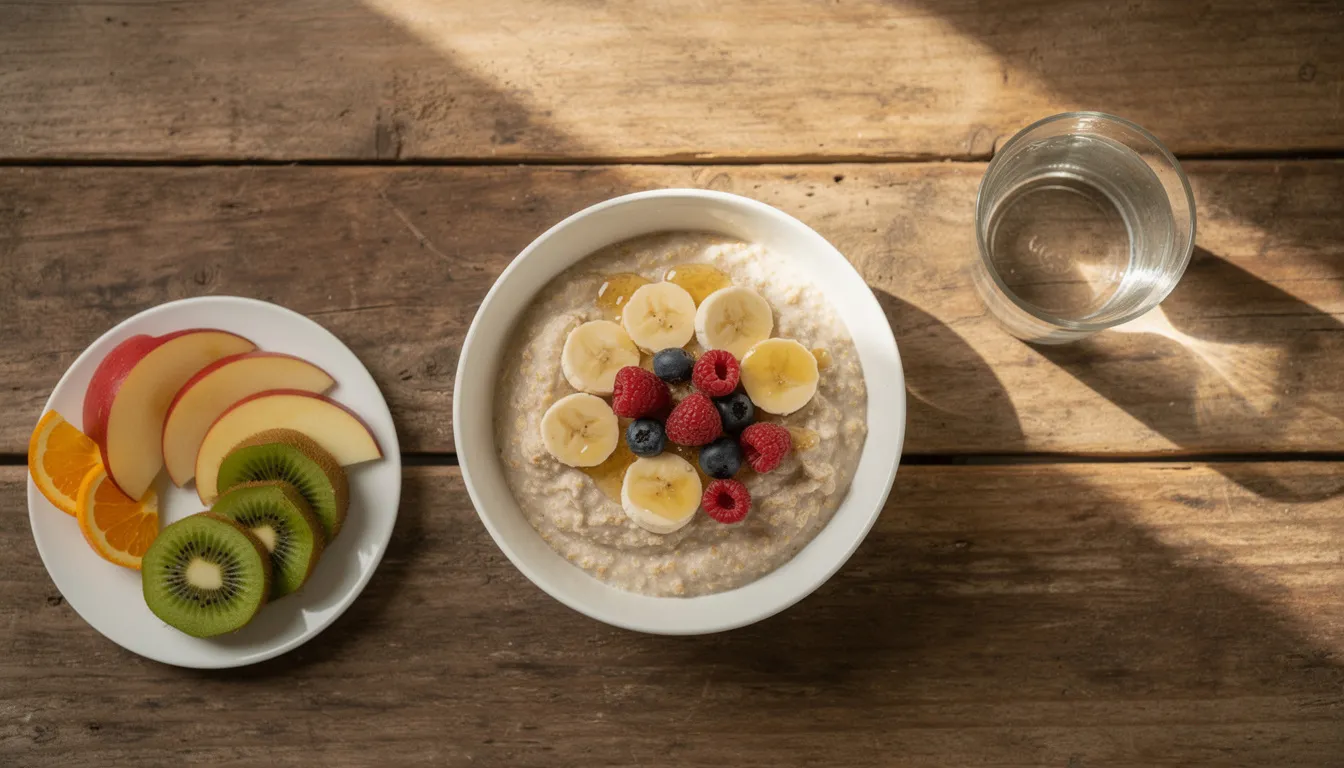
- Light breakfast: oats with fruit, eggs with vegetables, or whole grain toast with olive oil
- Write down your top 3 priorities for the day
A good morning doesn’t require the gym at 5 a.m. or a perfect balanced diet. It requires showing up for yourself before you show up for work.
A simple evening rhythm:
- Short walk after dinner (15–20 minutes around the block)
- 10 minutes of journaling, gratitude, or simply sitting quietly
- Skincare, brush teeth, basic hygiene
- Screens off 30–60 minutes before bed
- Aim for roughly the same sleep time each night
Enjoyable movement ideas:
- Dancing in the kitchen to two songs while cooking
- A 20-minute walk during lunch or after dinner
- Beginner yoga on YouTube on weeknights
- Stretching in your room for 5 minutes before your shower
The basics that matter most for physical health:
- 7–8 hours of sleep supports mood, energy, and focus
- Drink water through the day (keep a bottle at your desk)
- Regular meals prevent energy crashes—don’t skip breakfast or lunch
- Include vegetables, fruit, whole grains like brown rice, and protein from sources like meat or legumes
- Limit processed foods; cook at home when you can
- A low fat diet rich in whole foods supports heart health and may reduce your risk of developing heart disease
A note on sustainability:
Don’t try to overhaul your entire routine in one week. Start with just one change—maybe a nightly 5-minute wind-down or drinking water first thing in the morning. Add more only when the first habit feels natural. Progress over perfection matters here.
Your daily routines don’t need to be elaborate to support you. They just need to be intentional—small moments of purpose, connection, and rest woven into the hours between wake and sleep.
Pick one idea from this article. Try it tomorrow. Notice how it feels. That’s how you build a life that actually works for you.
FAQ: Supportive Daily Routines
How long for an effective morning routine?
15 minutes: 5 conscious breaths, 1 mood sentence, glass of water. Consistency beats perfection.
Do I need to wake at 5 a.m.?
No. Fixed wake time (±30min weekends) boosts psychological resilience +27% (COVID studies). Predictability reduces anxiety.
How to say no without guilt?
Start with 1 daily boundary: “No work emails after 7 p.m.” Guilt fades in 2 weeks. Ready phrases: “I’ll respond tomorrow morning”.
Best evening routine?
15min post-dinner walk + screens off 45min pre-bed + 3-sentence journal. Target 7-8h consistent sleep.
Most effective social connection routine?
1 weekly 20min call with safe person + 1 positive daily text. Quality > quantity for mental health.