Winter in the US spans a range of conditions that no other country matches in a single market. A woman in Minneapolis needs a coat that handles -20°C and six months of snow. A woman in Los Angeles occasionally needs something for a 12°C evening. A woman in New York needs both extremes across the same winter.
This edit accounts for that reality. The picks are organised by climate zone and use case, with US retailers at every price point. Whether you’re buying a serious cold-weather coat for a northern winter or a lighter option for mild coastal conditions, the criteria here help you make the right choice.
US Winter Coat Buying Guide: Climate Zones
Before the specific picks, the most useful organising principle for US coat shopping is climate zone rather than style.
Cold-winter climates (New York, Chicago, Boston, Minneapolis, Denver): You need genuine warmth. A wool coat alone is insufficient for Chicago winters or Minneapolis temperatures. You need either a serious down coat rated to -20°C or lower, or a wool coat with a down liner. The style and silhouette matter less than the warmth rating.
Mild-winter climates (Los Angeles, San Francisco, Atlanta, Dallas, Miami): A wool-blend coat or a lighter padded option is sufficient. The styling considerations matter more because you’re less constrained by warmth requirements.
Variable climates (Seattle, Portland, Washington DC): Rain resistance is as important as warmth. A technical outer fabric or a treated wool that handles constant drizzle is more useful than a beautifully crafted pure wool coat that becomes heavy and slow-drying in wet weather.
The Best Women’s Winter Coats US 2026: Our Edit
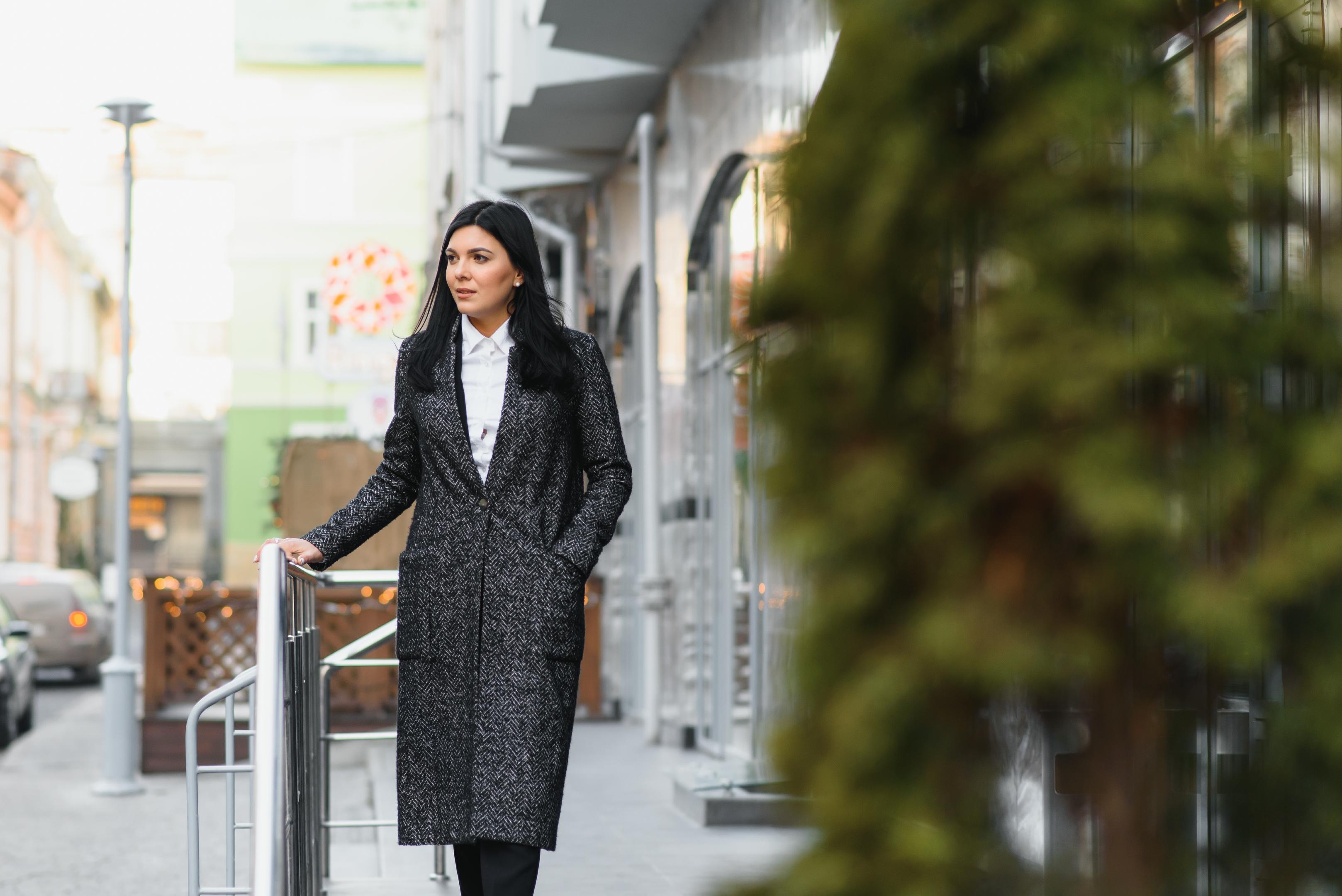
Best Overall: The Classic Wool-Blend Longline
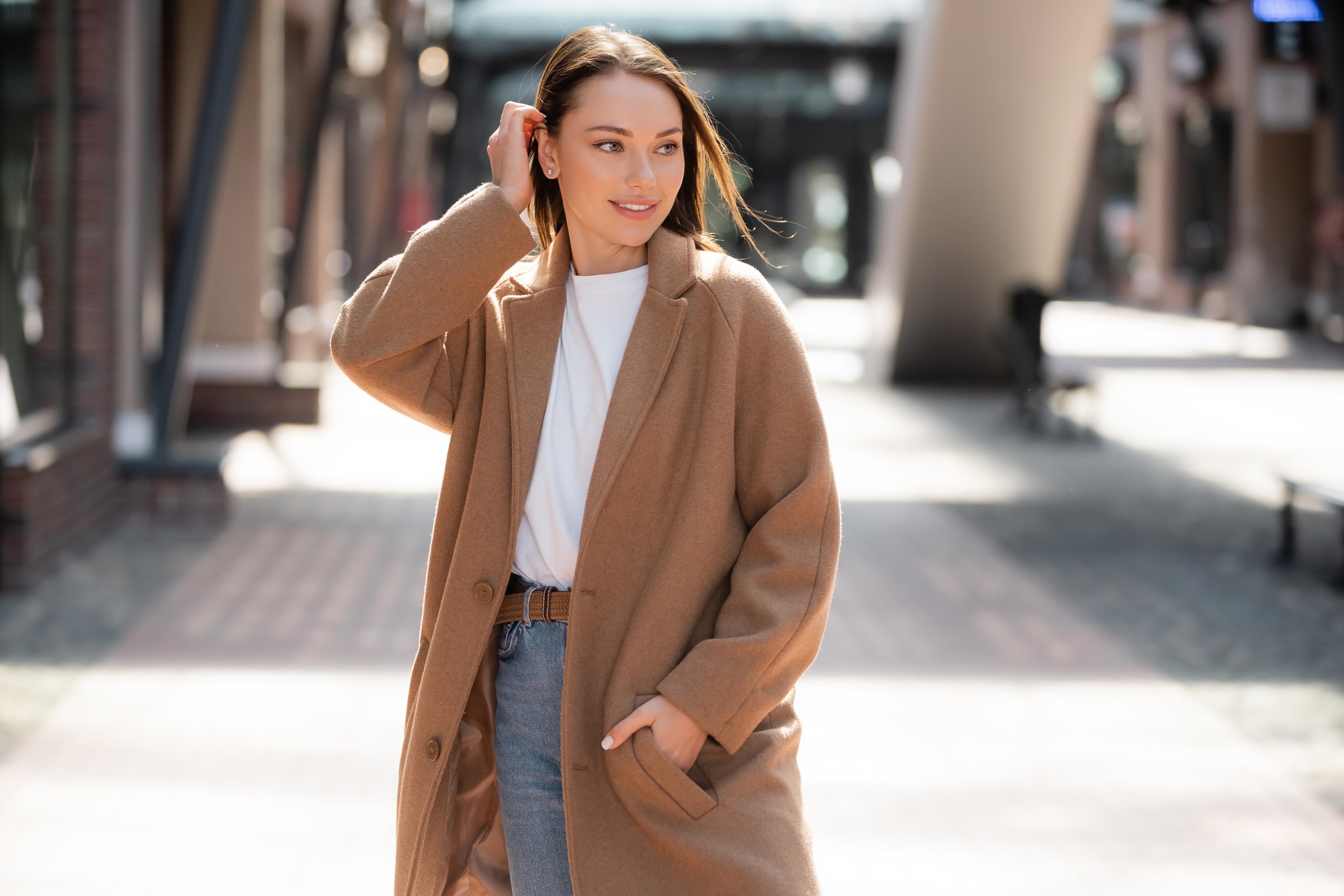
The longline wool-blend coat offers a classic look plus the sophisticated warmth of wool, making it the most versatile US winter coat purchase for mild and variable climates, and the most stylish outerwear option for cold-winter climates as a top layer for commuting and city days.
What to look for: Over 70% wool content in a matte finish for better insulation, though 50-70% can still work well for this style. Longline silhouette at or below the knee, since a coat that covers the knees is warmer than a shorter option. Clean lapel and single-button or hidden-button closure. Neutral colourway — camel, charcoal, stone, or black — that integrates across your existing wardrobe.
Where to buy US: Nordstrom carries the widest range across price points. J.Crew for classic American takes on the wool-blend coat at mid-price. Banana Republic for slightly more corporate-adjacent versions. Madewell for a more relaxed, contemporary silhouette. Theory for a premium step up.
Price range: $150-$450 for a quality version that lasts multiple seasons.
Best for Serious Cold: The Down Coat (Fill Power Guide)
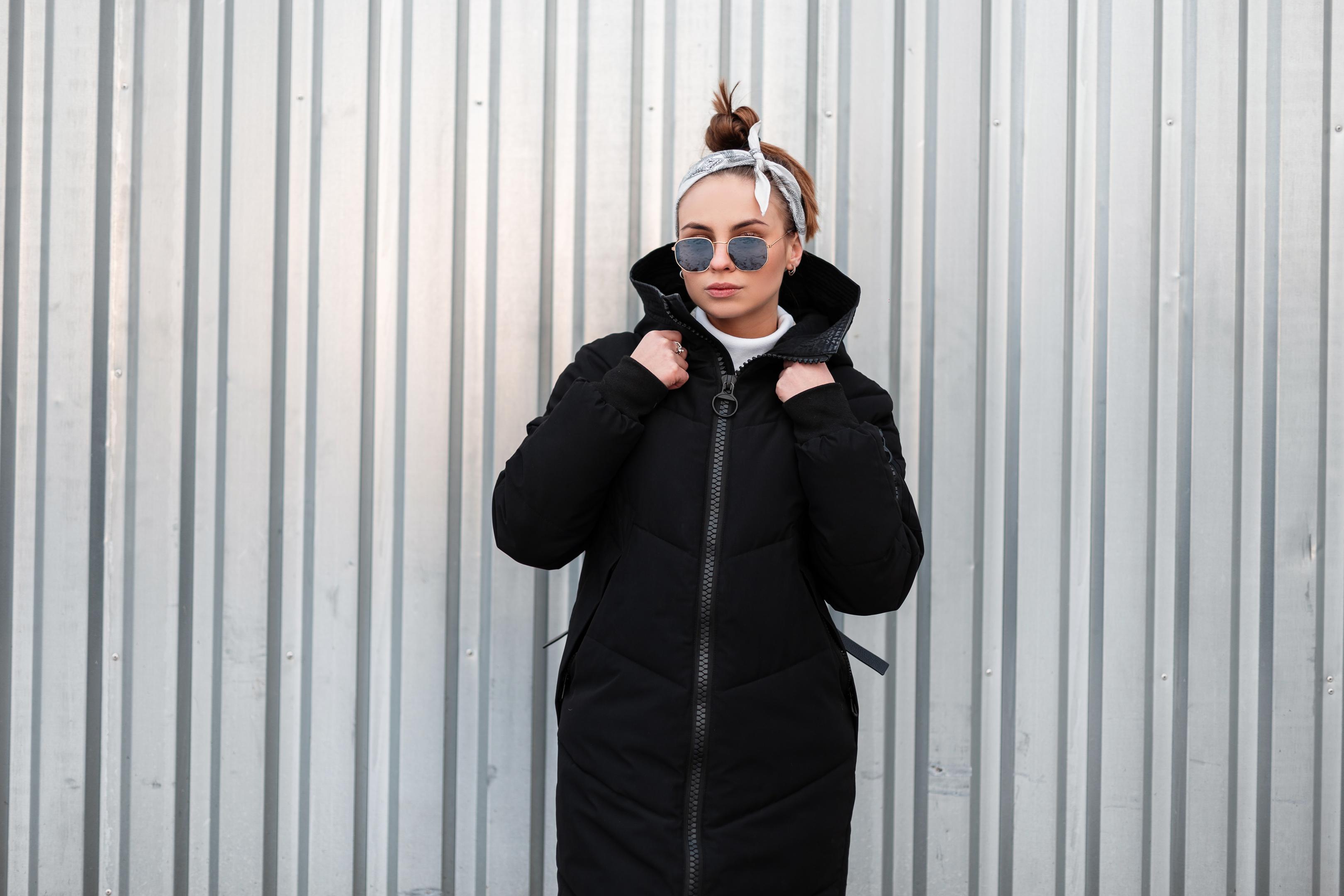
For cold-winter US climates, a serious down coat is not optional — it’s functional equipment, and down insulation offers an excellent warmth-to-weight ratio for serious cold. The styling parameters have narrowed significantly in 2026 as down coat construction has improved.
What makes a good down coat in 2026: 600-fill-power or higher for genuine warmth at low temperatures; 600-fill down coats are effective for cold weather protection and can handle temperatures around 15°F in typical use. A coat’s fill power indicates quality, not warmth on its own. A longline silhouette in a matte, non-shiny face fabric — the shiny nylon shell that made puffer coats look cheap has largely been replaced by matte ripstop, wool-look quilted, and technical fabrics that read more like outerwear than sleeping bags. Down insulation is warmer but fails when wet, so a waterproof, windproof shell matters for protection. A neutral colourway that integrates with the rest of your cold-weather wardrobe.
Where to buy US: The North Face Metropolis Parka at Nordstrom and REI for serious cold weather. Uniqlo Ultra Light Down Longline for the best warmth-to-weight-to-price ratio in the market. Canada Goose for a premium investment with genuine cold-weather credentials. Columbia for a mid-price functional option.
Price range: $150-$400 for a quality option. Canada Goose runs $600-$1200 but is the reference standard for cold-weather urban outerwear.
Best Mid-Price Option: The $200-$350 Sweet Spot
At $200-$350, the US market has strong options that balance quality construction with fashion-forward design, including puffer jackets that deliver warmth with less bulk. This is the price point where you start getting better lining, more careful seaming, and fabrics that hold their shape season after season.
Top picks at this price: Madewell Seventeenth Street Coat for a relaxed, contemporary silhouette. J.Crew Coatology Collection for classic American workwear-adjacent coats. Vince for a more minimal, luxurious-feeling option. Banana Republic Italian Wool Coat for professional settings.
Best Budget Option Under $150
The accessible end of the US market has improved considerably. ASOS US, H&M, and Zara all offer wool-look longline coats under $100 that work well for 1-2 seasons in mild climates. For cold climates, budget down coats from Amazon US deliver functional warmth at prices that make an annual replacement a reasonable strategy, and budget options with synthetic insulation are especially useful because they retain heat even when wet.
Where to buy: ASOS US for the widest variety. Target for genuinely surprising quality at accessible prices. Amazon US for functional options — search verified purchase reviews carefully and check the functionality and features on lower-cost winter coats, especially taped seams for waterproofing, internal wrist cuffs to keep cold air out, and fleece-lined pockets for extra warmth.
Best Investment: The Coat You Buy Once
At $500 and above, you’re buying a coat that should last a decade or more with proper care, and in very cold climates the smartest long-term investment is often one of the women’s parkas or another thigh-length coat. Parkas provide full-body warmth in harsh winter conditions, and a coat that covers your knees will usually keep the whole body warmer in extreme cold. The reference brands at this level in the US market are Max Mara, Toteme, The Row, and Loro Piana. These are coat-as-investment purchases — cost-per-wear calculations that justify a high initial price across years of daily use.
A more accessible investment option: Quince Pure Cashmere Coat at around $250, which offers quality well above its price point. Worth considering for women who want a genuinely premium feel without the luxury brand pricing.
Best for Mild Climates: The Transitional Coat
For US climates where winter rarely drops below 5°C — Los Angeles, San Diego, Miami, parts of the South — a full down coat is overkill. The transitional coat — a lighter wool-blend at 3/4 length, a quilted jacket, or a leather coat — is both more practical and more aesthetically appropriate. Lighter down coats can also work well in milder climates because they are easy to wear with extra layers.
Best options for mild climates: A quilted jacket in a neutral (Barbour-style for a more British aesthetic, or contemporary quilted options from Zara and Mango). Hip-length jackets are also often suitable for milder winters. A leather or faux leather coat for urban settings. A light cashmere or merino wrap coat for indoor-outdoor occasions.
Where to buy: Revolve for contemporary quilted and leather options. Free People for a more relaxed, boho-adjacent transitional coat. Nordstrom for the widest range.
Winter Coat Trends US 2026
The trends that matter for US winter coat shopping this season are consistent with what’s happening globally.
The longline is dominant. Hip-length coats have retreated. The knee-length and below-knee coat is the silhouette across price points and brands this season.
Coloured coats are having a moment. Deep burgundy and forest green are the investment colours of autumn-winter 2026. Both photograph well, both work with the neutral wardrobe foundations that most women already have. A burgundy wool coat over all-black or camel is one of the strongest coat combinations of the season.
Texture over shine. The matte finish has definitively replaced the high-shine nylon puffer across all price points. Wool-look quilted fabrics, textured bouclé outer shells, and brushed wool blends are the materials driving the strongest-selling coats in the US market this season.
The trench as winter coat. For mild-climate markets and as a transitional layer in colder climates, the trench coat has crossed over from spring-autumn into genuine winter territory as a style piece worn over puffer vests and heavier knitwear. This is a trend to watch rather than a functional cold-weather solution.
How to Size a Winter Coat US
Sizing a winter coat correctly is more consequential than most other clothing purchases because the fit determines both the silhouette and whether you can comfortably layer underneath; a common mistake is sizing too small, which can trap less warm air and limit layering.
The shoulder seam rule: The shoulder seam of the coat should sit at the edge of your shoulder — not dropping onto your upper arm. If the shoulder seam drops, no other fit adjustment will fix the coat’s appearance.
The layering allowance: Buy a coat that leaves room for layers underneath, including a sweater, and comfortably fits a medium-weight knit (not a chunky cable knit). If it’s already tight with a shirt, you’ll be uncomfortable in actual winter temperatures.
The length: Try longline coats sitting down as well as standing. A coat that looks perfect standing but rides up to reveal several inches of outfit below the hem when you sit creates a proportion problem across a full day of wear. Also check that the hood cinches at the back of the head, since adjustable hoods are more comfortable in wind.
Sleeve length: Your coat sleeves should come to the wrist bone. Shorter than this and you’ll have a cold gap between glove and sleeve. Longer and the sleeve bunches under your wrist.
Where to Buy Winter Coats US 2026: The Full Retailer Guide
Nordstrom: The most comprehensive US selection across price points, with a wide selection of women’s winter coats and winter jackets. Strong own-brand options alongside designer and contemporary brands. Reliable sizing and free returns.
Revolve: Strong for contemporary, fashion-forward coats in the $150-$400 range. Best for women who want trend-relevant silhouettes rather than classic options.
Amazon US: Best for functional down and padded coats with strong verified-review trails. Less useful for fashion-forward options. Best for daily wear and practical cold-weather use. Free Prime returns make sizing experimentation low-risk.
J.Crew: Consistently one of the best American mid-price coat options. The Coatology Collection is the strongest annual coat edit in the accessible mid-price market.
Quince: The best value-to-quality ratio in the US accessible market, particularly for cashmere and merino options. Direct-to-consumer model removes retail markup and supports a more responsible approach to material sourcing.
Target: Genuinely improved coat options in the under-$80 category. Worth checking for transitional options and mild-climate purchases.
Anthropologie: The strongest US option for women who want a coat that reads more editorial and personal than a standard department store option. Mid-to-premium price, strong colourways, frequently updated edit. You can also explore the current coat collection if you want something less standard.
Coat Care US: Making Your Investment Last
Wool coats: Dry clean once per season. Spot clean with a damp cloth between cleanings. Wool layers can help wick moisture, but if the coat picks up moisture, air it out fully before storage. Hang on a wide, padded hanger. Store in a breathable garment bag during summer. Cedar blocks protect against moth damage.
Down coats: Machine wash on a gentle cold cycle with a down-specific detergent. Tumble dry on low with clean tennis balls to redistribute the down fill. Never hang dry a down coat — the weight of the wet fill damages the baffles. Down insulation must dry completely because moisture reduces loft and warmth. Air fully before storing.
Leather coats: Condition annually with a leather-specific conditioner. Avoid prolonged rain exposure. Store on a wide hanger away from direct sunlight which causes fading and cracking.
General: Don’t overcrowd your coat in a closet — a compressed coat loses its shape faster than one with breathing room. Care needs can also shift across the winter months depending on wear frequency and weather exposure.
Winter Coat FAQ US
What is the warmest women’s winter coat for extreme US cold?A down coat with 600+ fill power rated to -20°C or below. Canada Goose and The North Face Metropolis Parka are the benchmark options for genuine extreme cold. In freezing temperatures, a longer arctic parka or any coat that covers the knees will be warmer than a short coat. For urban cold-weather use without extreme exposure, Uniqlo Ultra Light Down Longline offers excellent warmth at a fraction of the price.
What is the best winter coat brand US?For serious cold weather: The North Face, Canada Goose. For quality everyday wear: Theory, Madewell, J.Crew. For accessible value: Quince, ASOS, H&M. For investment: Max Mara, Toteme. Your winter coat plan should also account for the forecast and intended outdoor activities before you buy.
Are wool coats warm enough for US winters?In mild and moderate climates, yes. Wool coats also give a chic, sophisticated look, but they are less protective in wet weather unless layered properly. For genuine cold-winter US climates (Chicago, Minneapolis, Boston winters), a wool coat alone is insufficient below approximately -5°C. Layer a down vest underneath or choose a wool coat with a built-in down liner.
When do winter coats go on sale US?The first significant markdowns hit in January. The best selection (all sizes, all colours) is available September through October. By December, popular styles have sold out. If you want a specific coat, September is the time to buy.