Introduction: Where to Start When You Want to Take Care of Yourself?
Beauty in 2026 can feel overwhelming. Between trending ingredients, viral products, and ever-shifting makeup techniques, knowing where to begin feels like a challenge in itself. You scroll through tutorials, read conflicting advice about active ingredients, and wonder if your skincare routine is actually doing anything. The truth is that most people overcomplicate things when the foundation of looking and feeling good starts with understanding a few core principles.
So where do you start when you want to take care of yourself? This guide gives you a clear roadmap through the three pillars of personal beauty: makeup, skincare, and haircare. These aren’t separate worlds—they work together. Your skin’s texture affects how foundation sits. Your hair health reflects your overall body wellness. Your makeup choices should complement the effort you put into your skincare routine.
Think of this as your expert reference. Each section links to more detailed satellite guides covering bronzed makeup techniques, retinol-based skincare, summer haircare protection, and curated product selections. Whether you’re building your first real routine or refining what you already do, you’ll find practical answers here.
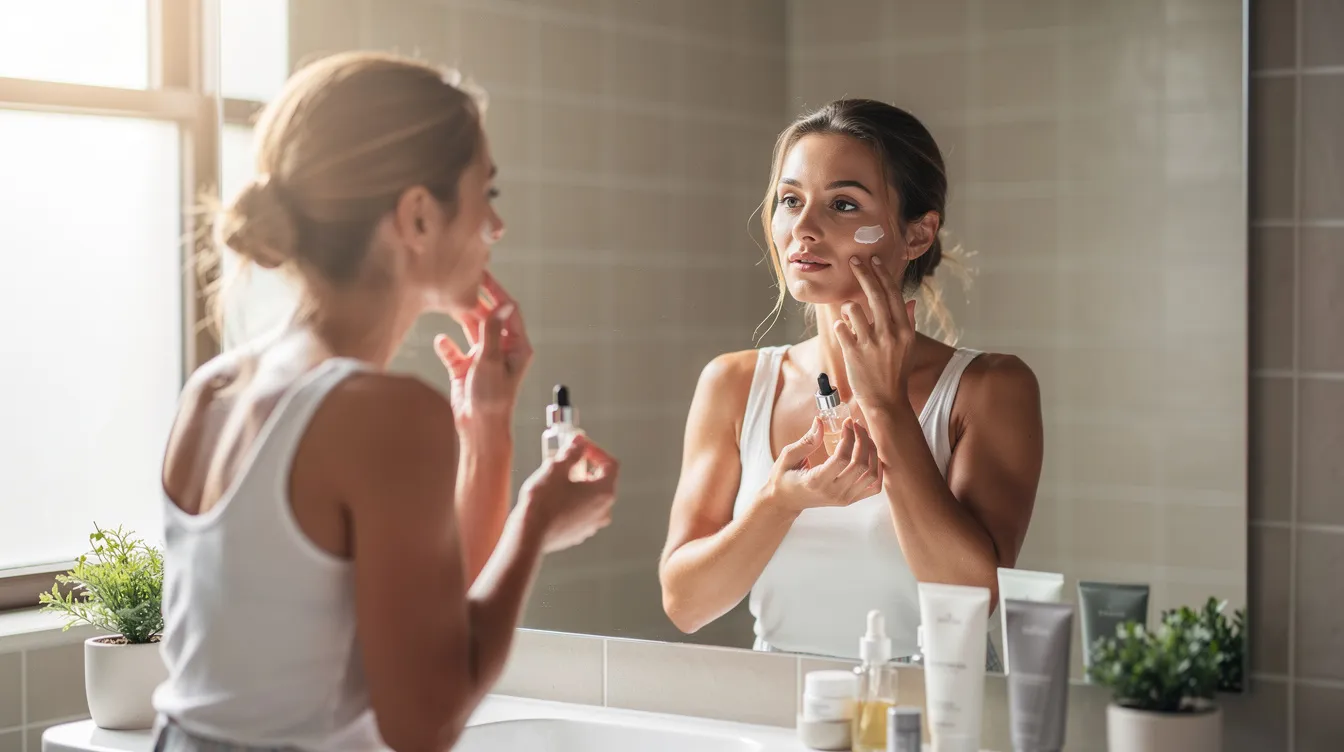
Table of Contents
Use these anchor links to jump directly to the section that interests you most. Each builds on the others, but feel free to start wherever you need the most guidance.
- Jump to: Makeup Basics – Understanding Your Face and Your Tones
- Jump to: Makeup Trends to Know This Season
- Jump to: Skincare – The Foundation of Every Good Makeup Look
- Jump to: Haircare – Routine and Seasonal Advice
- Jump to: Choosing Beauty Products – What Really Matters
Makeup Basics: Understanding Your Face and Your Tones
All good makeup in 2026 still starts with knowing your skin tone, undertone, and face shape. Before you invest in products or follow trends, understanding these fundamentals saves you money and frustration. The difference between makeup that looks natural and makeup that looks off often comes down to whether you’ve matched your undertone correctly.
Undertones are the subtle hues beneath your skin’s surface—distinct from how light or dark your complexion appears. They fall into three categories: warm (yellow, golden, peach), cool (pink, red, blue), or neutral (a balance of both). Recent research has even developed AI frameworks using colorimetry to classify undertones with roughly 80% accuracy, though practical at-home tests remain reliable. Look at the veins on your inner wrist: green suggests warm undertones, blue or purple suggests cool. Notice whether your skin tans easily or tends to burn. Consider whether gold or silver jewelry flatters your appearance more—gold typically suits warm undertones, silver suits cool.
Understanding your undertone directly influences your foundation, concealer, and bronzer choices. Foundation ranges now describe shades with precision like “light-medium with warm undertones” or “deep neutral.” When your undertone is mismatched, foundation can look ashy or ruddy, especially in daylight or photographs. For bronzers and concealers, the same principle applies: warm undertones work best with peachy or golden bronzers, while cool undertones suit rosy or taupe shades. Neutral undertones have flexibility with both.
The main makeup families you’ll encounter include natural everyday looks, glam evening styles, bronzed sunkissed aesthetics, and classic smoky eyes. Natural makeup uses sheer coverage from skin tints or light foundations, neutral tones for eyes and lips, and minimal definition. Glam evening looks build to medium or full coverage with sculpted features, strong eyes using smoky or glitter techniques, and bold lip finishes—either matte or high-gloss. The bronzed look—currently one of the most popular—emphasizes warm tones, soft bronzer application, cream blush, luminous highlighter, and often glazed or glowy finishes. For this style in particular, check out our [complete bronzed makeup guide] for step-by-step techniques. Classic smoky eyes use dark tones on lids blended outward, typically paired with more muted lips to keep the face balanced.
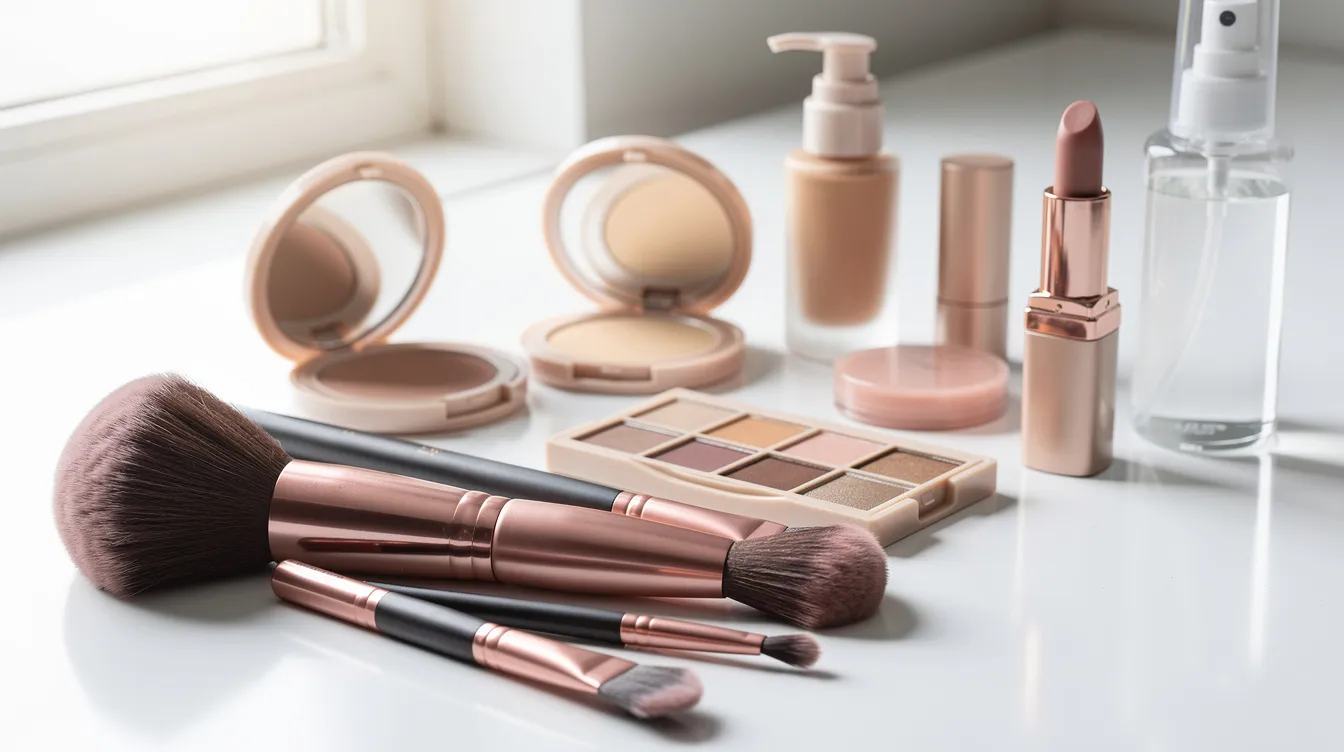
Your essential 2026 makeup bag should include a lightweight foundation or skin tint for your complexion base, a concealer for targeted spot correction, mascara, a brow product (pencil, gel, or powder depending on your preference), blush, bronzer, highlighter, a neutral eyeshadow quad with shades that transition from day to night, and lipsticks in both a nude shade and one bolder color. These cover nearly every situation from casual days to evening events.
Basic tools matter as much as products. A beauty sponge creates dewy, blended finishes when dampened. A foundation brush provides fuller coverage with more control. A blending brush handles eyeshadow transitions smoothly. A precise liner brush helps with detailed work around the eyes. Keep your tools clean—product buildup on brushes leads to skin irritation, breakouts, and uneven application. Wash brushes every one to two weeks with gentle cleanser and allow them to dry completely before use. For daily removal without waste, Brushworks Make-up Remover Cloths (£4.90 at Notino, pack of 3) offer a reusable alternative to cotton pads — effective on light makeup days and gentle enough for sensitive skin.
How to Read Your Face Shape and Features
Product placement on your face depends significantly on your face shape. The main categories are oval, round, square, heart, and long. To identify yours, pull your hair back, stand in front of a mirror, and observe the width of your forehead compared to your cheekbones and jawline, plus the overall length of your face.
For blush placement, those with round faces often benefit from applying color higher on the cheekbones angling toward the temples for a lifting effect. Square faces can soften angles by keeping blush on the apples and blending outward. Heart-shaped faces look balanced with blush placed below the cheekbones. Oval faces have the most flexibility and can experiment freely.
Bronzer placement follows similar logic. Apply it where the sun would naturally hit—forehead, cheeks, nose bridge, chin—but adjust based on what you want to sculpt. Avoid harsh contour lines; modern bronzing focuses on warmth and dimension rather than dramatic shadows. Highlighter goes on high points where light naturally catches: top of cheekbones, brow bone, cupid’s bow, nose tip. If you have textured skin or enlarged pores in certain areas, skip highlighter there to avoid emphasizing surface irregularities.
Your brows and eyeliner should also adapt to your features. Hooded eyes benefit from liner applied with eyes open so the design remains visible. Almond eyes can handle most shapes. Round eyes often look elongated with winged liner. Downturned eyes lift with liner flicked upward at the outer corner. Brow thickness and arch shape similarly balance your overall facial structure.
Makeup Trends to Know This Season
Spring and Summer 2026 bring specific trends worth knowing, though the key is adapting them to your individual style rather than copying looks directly. Trends give you direction; your face and preferences determine execution.
The bronzed, glowy trend remains the flagship look this season. Industry reports call it “High Rise Skin”—smooth, even, dimensional skin that appears built on excellent skincare rather than heavy product layers. The focus is luminous skin with soft bronzer application, cream highlighter on high points (cheekbones, brow bone, nose bridge), and warm-toned eyes. This differs from the full-dewy approach of previous years; instead, selective glow creates dimension without looking overly shiny.
Concrete product textures driving this trend include cream blush for seamless skin-like finishes, liquid highlighter that melts into the complexion, gel bronzer for buildable warmth, and skin tints with SPF for base coverage that feels like skincare. Fine shimmer is preferred over chunky glitter—the goal is lit-from-within rather than disco ball. For detailed application techniques, our [step-by-step bronzed glowy tutorial] breaks down each phase.
The “no-makeup makeup” trend continues strong, focusing on sheer bases that let skin texture show naturally, targeted concealing only where needed, brushed-up brows using clear or tinted gel, brown mascara for softer definition than black, and tinted balm used on both lips and cheeks. This approach celebrates natural appearance while still enhancing features subtly. It works particularly well for adults who prefer understated elegance or anyone with sensitive skin who wants minimal product exposure.
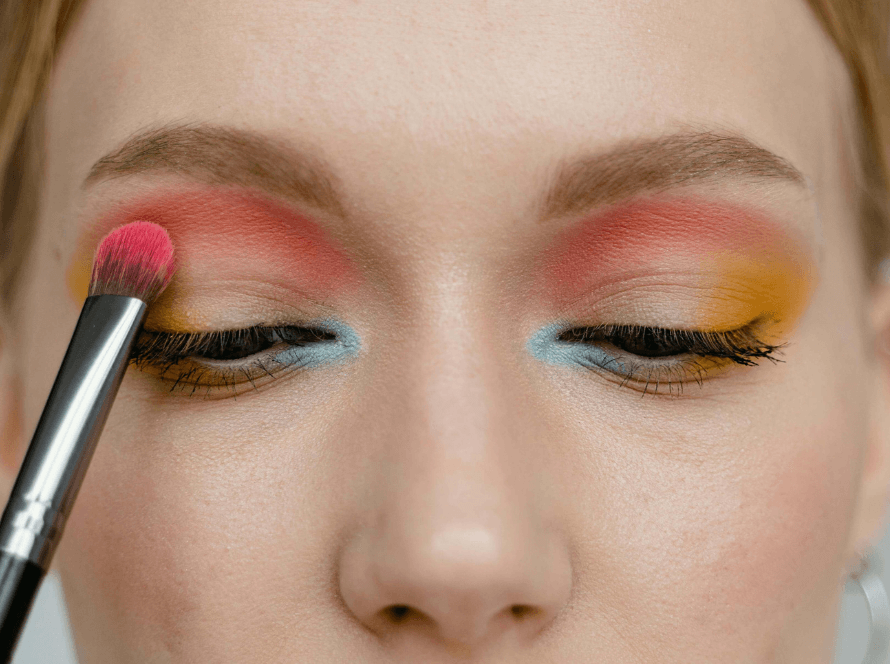
Choosing your focus point matters this season. You can emphasize lips with a bold red or berry shade while keeping eyes minimal. Alternatively, try pastel or graphic liner—inky blue and rich brown are trending—paired with neutral lips. Or make your complexion the star with hyper-glowy skin and subdued colors elsewhere. The principle is simple: one focal area prevents overwhelming your face.
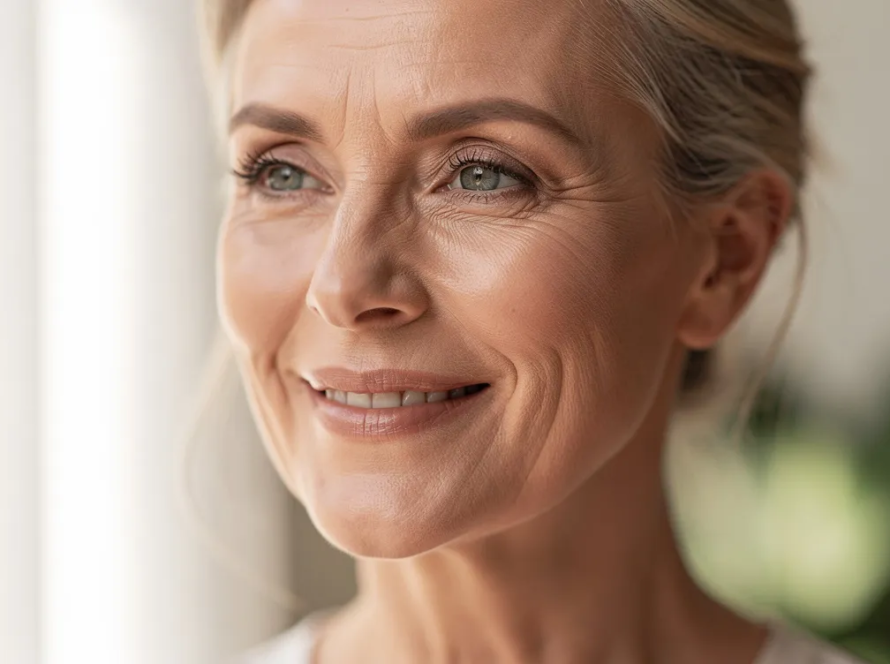
Adapting trends to different ages and skin types requires practical adjustments. Mature skin benefits from cream and liquid textures that don’t settle into fine lines—avoid heavy powders. Oily skin can still achieve the glow trend using hybrid products with mattifying touchpoints in the T-zone. Acne-prone skin may prefer minimal coverage with non-comedogenic formulas, focusing on skincare-based cosmetics that treat while they cover. The key is knowing your skin conditions and choosing textures accordingly.
Seasonal Colors and Finishes
Color palettes shift predictably through the year. Summer 2026 leans into warm terracottas, soft golds, sun-kissed corals, and bronze tones. These colors evoke warmth and healthy sun exposure without actual UV damage. As autumn approaches, expect berries, plums, and deeper matte finishes to surface. Winter continues that richness with burgundies and chocolates. Spring refreshes with corals, pinks, and lighter finishes.
The finish conversation has evolved. Pure dewy skin is giving way to “mannequin skin”—a soft-focus matte base with selective glow rather than all-over shine. Many makeup artists now mix finishes strategically: dewy skin with matte eyes creates balance, or satin lips complement soft shimmer eyeshadow without overwhelming the face.
Remember that trend shades interact with your undertone. Warm-toned individuals can lean into peachy corals and golden bronzes naturally. Cool undertones look better in rosy pinks and mauves. Neutral undertones have the flexibility to wear both color families. Use this as your filter when shopping seasonal releases—just because a shade is trending doesn’t mean it will flatter your specific coloring.
Skincare: The Foundation of Every Good Makeup Look and Treating Dark Spots
Prepared skin radically changes how makeup performs. Foundation sits smoother, concealer blends easier, and everything lasts longer when your skin is properly cleansed, hydrated, and balanced. The “High Rise Skin” trend dominating 2026 explicitly builds on this—the goal is skin that looks so healthy that makeup becomes enhancement rather than correction.
A well-maintained skin barrier prevents flakiness, uneven texture, and excess oil production that can break down makeup throughout the day. Untreated sun exposure causes pigmentation issues that make achieving an even complexion harder. Dehydrated skin emphasizes wrinkles and fine lines, while irritated skin reacts unpredictably to products. Your skincare routine is the treatment that makes everything else possible.
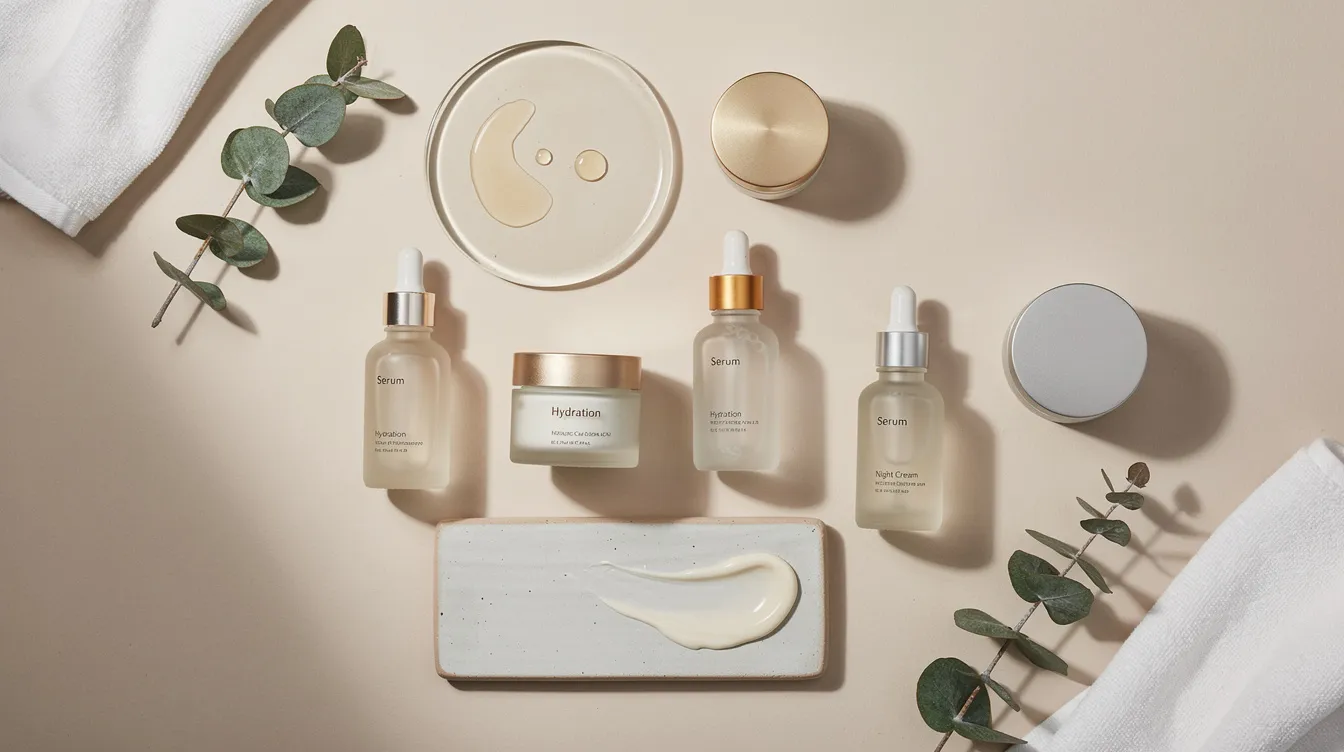
The minimal routine recommended for most adults in 2026 includes four core steps: gentle cleanser (morning and evening), optional toner after cleansing to help keep skin feeling clean while restoring balance and hydration, targeted serum for specific concerns, moisturizer adapted to your skin type, and broad-spectrum SPF 30 or higher every morning. This covers the essential function of protecting, treating, and hydrating without overcomplicating your regimen.
Cleansing differs between morning and evening. Morning cleansing removes overnight oil and dead cells—a gentle, low-pH cleanser works well. Evening cleansing must remove makeup, SPF, and environmental pollution accumulated during the day. For a reliable micellar first step, the Bioderma Smoothing Biphasic Micellar Make-Up Remover (£11.01 at cosmetic2go, free delivery) dissolves SPF and makeup while reinforcing the skin barrier — particularly effective before a second water-based cleanse.
Double cleansing (oil-based cleanser first, followed by water-based cleanser) proves effective when wearing heavy makeup or high-SPF products. A gentle exfoliator once or twice a week helps remove dead skin cells that can make foundation look patchy. Avoid harsh foaming cleansers with high sulfate content; these can damage your skin barrier and lead to increased oil production, sensitivity, or dryness.
Serums function as your treatment step. Their lighter texture allows active ingredients to penetrate effectively, targeting specific concerns like hydration, dark spots, fine lines, acne, or redness. Unlike creams that create protective layers, serums deliver concentrated ingredients directly. Once the basics are established, you can experiment with layering serums or booster treatments, creating a more personalized range for your routine. Think of them as precision tools addressing what your skin specifically needs.
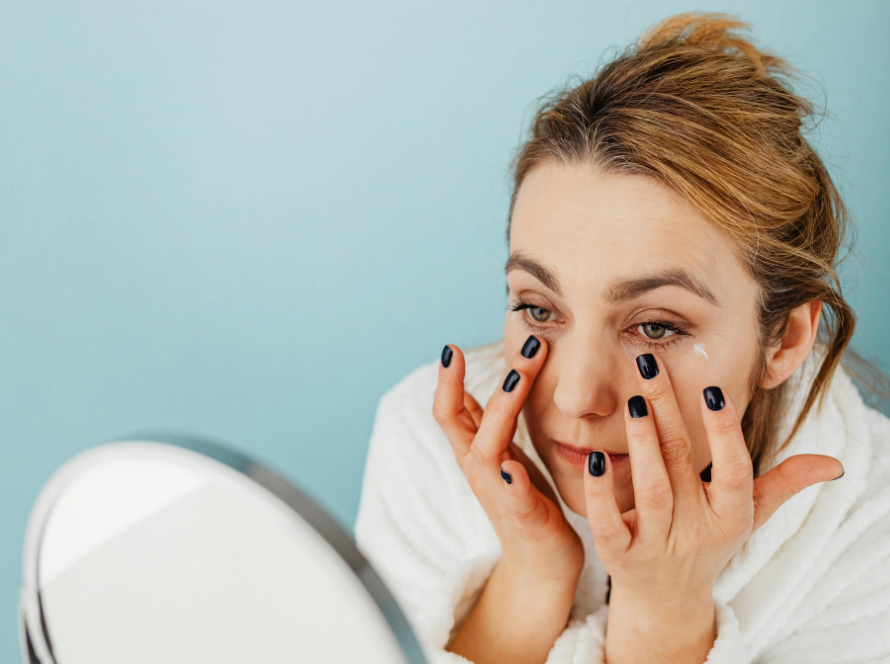
Moisturizers come in gel, lotion, and cream textures. Gel moisturizers suit oily skin—lightweight, absorbing quickly without adding shine. Lotions work for combination skin, providing hydration without heaviness. Creams suit dry and mature skin, delivering richer hydration and supporting elasticity. Sensitive skin benefits from fragrance-free options with barrier-supporting ingredients. Eye creams are formulated for the thinner, more delicate skin around the eyes and can help reduce the appearance of dark circles and fine lines; For makeup removal specifically around the eyes, the Avène Gentle Eye Make-Up Remover (£9.43 at Sweetcare, currently -20%) is particularly suited to sensitive or reactive eyes — no rubbing required, and it won’t disturb lash extensions. Apply them gently without rubbing, extending care to the neck only with products intended for that area. Choose texture based on how your skin behaves, not based on marketing.
Daily sunscreen is non-negotiable. SPF 30 minimum, with SPF 50 preferable for extended exposure. Look for broad-spectrum protection (UVA and UVB), and PA rating if purchasing Asian sunscreen formulations. Sun protection prevents hyperpigmentation, supports any retinoid use by protecting sensitized skin, and reduces inflammation from UV damage. No skincare routine delivers full results without this step.
Key Skincare Ingredients to Know in 2026: Vitamin C and More
Retinol remains the gold standard for texture improvement, acne treatment, and wrinkle reduction, helping treat acne by preventing clogged pores, while topical retinoids can also help with acne scars, stretch marks, and anti-aging. A vitamin A derivative, it accelerates cell turnover, exfoliates, and stimulates collagen production. It is available over the counter and by prescription, with stronger prescription formulas typically guided by a doctor. However, it requires gradual introduction—start with lower concentrations every other night, since early irritation or a temporary acne flare known as the retinol purge can happen before improvement, and always pair with daytime SPF because it can make skin more sensitive to sunlight. Retinaldehyde, one conversion step closer to the active form (retinoic acid), works faster with typically less irritation. Encapsulated and slow-release forms improve tolerance for sensitive skin. Topical retinol can also help fade dark spots and hyperpigmentation from sun damage, and it improves fine lines and wrinkles by slowing collagen breakdown and supporting elasticity, though visible wrinkle changes usually take several months. For deeper information on incorporating these ingredients safely, see our [skincare and retinol article].
Hyaluronic acid functions as a humectant, attracting water to the skin. It works best applied to slightly damp skin, then sealed with moisturizer to prevent moisture from evaporating. Different molecular weights penetrate to different depths—some formulas combine multiple weights for surface hydration and deeper plumping.
Niacinamide (vitamin B3) multitasks effectively: strengthening the skin barrier, reducing redness and inflammation, refining pores, and improving overall tone. It combines safely with most other active ingredients, making it versatile for various skincare routines.
Vitamin C (also known as ascorbic acid) is a water-soluble vitamin essential for skin health, and in topical products it provides antioxidant protection against environmental damage, brightens the complexion, and helps fade hyperpigmentation including sun spots. It is also required for the biosynthesis of collagen that maintains skin structure and elasticity, while supporting repair of damaged skin and promoting wound healing. Stability matters—look for packaging that protects from light and air. Some stabilized derivatives and other forms work better than others for specific skin conditions, so research before purchasing. While many foods and vegetables contain vitamin C naturally, topical application in serums delivers higher concentrations directly where needed. Unlike vitamin C supplements or dietary supplements taken orally, topical forms target the skin surface specifically.
Gentle acids including lactic and mandelic acid provide exfoliation without the harshness of stronger formulations. They help with texture, cell turnover, and brightness. Mandelic acid works particularly well for sensitive skin or those with pigmentation concerns.
Ceramides support barrier repair, essential for anyone with compromised or reactive skin. Peptides and newer ingredients like PDRN (polydeoxyribonucleotide) support regeneration and collagen synthesis at cellular levels—these are moving from clinical treatments into daily serums.
Avoid mixing too many strong actives simultaneously. Combining high-strength exfoliating acids with high-dose retinoid on the same night risks irritation, peeling, and barrier damage. Introduce new actives gradually, and consider alternating nights for powerful ingredients. Read INCI lists carefully—ingredients appear in order from highest to lowest concentration, helping you evaluate product strength.
Haircare: Routine and Seasonal Advice
Hair health contributes significantly to overall appearance and confidence. Like skin, hair benefits from a structured routine adapted to your specific type, condition, and the season. Many people apply products randomly without understanding what their hair actually needs—this wastes money and often creates new problems like buildup or dryness.
Identifying your hair type starts with texture: straight, wavy, curly, or coily. Cross this with your scalp type (dry, normal, oily, sensitive) and your hair condition (colored, chemically treated, heat-styled, fine, thick, damaged, healthy). These three variables interact—curly hair often runs dry, colored hair tends toward fragility, fine hair shows oil faster. Your routine must address all three dimensions.
Basic routine structure varies by type. Normal scalps benefit from washing two to three times per week. Oily scalps may need every other day. Dry scalps should wash less frequently to preserve natural oils. Conditioner follows every wash to detangle and smooth the cuticle. Deep conditioning masks work once weekly or bi-weekly for extra nourishment. Clarifying shampoo removes product buildup and should be used every 10-14 days, especially if you use many styling products or live in hard-water areas.
Seasonal adjustments protect hair from environmental stress. Summer 2026 demands attention to UV exposure, saltwater, chlorine, and humidity. Use UV-protection sprays when spending time outside, anti-frizz creams to combat humidity, and repairing masks after beach or pool days. Scientific studies confirm that solar radiation causes measurable damage to hair protein content, color fading, and surface roughness—antioxidants like Camellia sinensis extract (from tea) provide photoprotection in quality formulations. Our [summer haircare article] covers sun, saltwater, and chlorine protection in detail.
Winter shifts focus to hydration and repair. Indoor heating dries both scalp and hair. Rich oils and butter-based masks replenish moisture. Reduce heat styling frequency to prevent compounding dryness. Consider protective styles that minimize daily manipulation and breakage.
Key products structuring your routine include sulfate-free shampoo matched to your scalp needs, conditioner appropriate for your hair texture (silicone-aware choices for fine hair), weekly or bi-weekly masks for deep treatment, leave-in conditioner for daily moisture and detangling, and heat protectant applied before any tool exceeding 150-180°C. Without heat protection, styling tools cause protein damage and split ends that accumulate over time.
Common Hair Problems and Simple Solutions
Frizz results from humidity and damaged cuticles. Solutions include humidity-control products, anti-frizz creams with silicone or oil blends, and ensuring adequate moisture so hair doesn’t seek it from the air.
Lack of volume often comes from product buildup or heavy conditioners weighing hair down. Use volumizing shampoos, clarify regularly, apply conditioner only to ends (avoiding roots), and consider lighter leave-in formulas.
Oily roots with dry ends require split care strategies. Use lighter, gentle cleansers at the scalp while applying richer treatments only to mid-lengths and ends. Avoid heavy masks near roots.
Breakage signals protein or moisture imbalance. Protein treatments strengthen compromised hair, while moisture treatments restore flexibility. Lower heat tool temperatures below 200°C and always protect before styling.
Color fading accelerates with UV exposure, hot water, and frequent washing. Use UV-filtering hair products, wash with cool water, space out washes, and choose color-safe formulas.
Dandruff or scalp flakes may respond to gentle exfoliating scalp treatments or antifungal ingredients. Persistent issues warrant assessment by a dermatologist or trichologist rather than indefinite self-treatment—some conditions require specific medicine or prescription-strength treatment.
Heat protection deserves emphasis. Every time you use straighteners, curlers, or high-heat dryers without protection, you risk cumulative damage. Apply protectant when hair is damp, distribute evenly, and keep temperatures moderate. The convenience of daily styling isn’t worth the long-term cost to hair health.
Choosing Beauty Products: What Really Matters
With thousands of cosmetics available in 2026, choosing wisely feels overwhelming. Packaging attracts attention. Social media creates hype. Celebrity endorsements suggest quality. But none of these reliably indicate whether a product will work for your specific needs. Developing basic product literacy protects your budget and your skin.
Reading ingredient lists (INCI lists) doesn’t require being a chemist. Focus on the first five to ten ingredients—these make up the bulk of the formula. Recognize key terms: fragrance or parfum (potential irritant for sensitive types), various alcohol types (some drying, some conditioning), and active ingredients you’re seeking (retinol, niacinamide, vitamin C, hyaluronic acid, plant oils). If the hero ingredient marketed on the front appears near the end of the list, concentration is likely minimal.
The difference between luxury and drugstore products involves multiple factors: packaging quality, texture elegance, active ingredient concentrations, research and development investment, and marketing costs. However, good formulas exist at every price point. Mid-price and mass-market brands now offer sophisticated actives—stabilized vitamin C, retinaldehyde, even PDRN—at accessible prices. The gap often lies in concentration, stability, and whether clinical studies support efficacy claims. Expensive doesn’t automatically mean effective, and affordable doesn’t mean inferior. A case in point for eye makeup removal: the NARS Gentle Oil-Free Eye Makeup Remover (£25.60 at Notino) sits at the prestige end, while the Avène option above delivers comparable gentleness at less than half the price — both remove the same mascara.
“Clean beauty” lacks a universally regulated definition but generally implies formulation without certain controversial ingredients (parabens, phthalates, some synthetics) and more natural origins. “Vegan” means no animal-derived ingredients. “Cruelty-free” indicates no animal testing, though definitions vary by region—the EU and UK have testing bans, while US labeling can be inconsistent. Look for certifications (Leaping Bunny, PETA, EVE Vegan) rather than trusting label claims alone. Being clean or vegan doesn’t guarantee a product suits your skin—evaluate ingredient lists regardless.
Patch-test new products before full application. Apply a small amount to your jawline or behind your ear for 24-48 hours, especially with active ingredients or fragrance-heavy formulas. This simple step prevents full-face reactions and helps you identify irritation before it becomes a larger problem.
Build a streamlined routine rather than constantly adding products. Layering too many formulas reduces absorption, wastes money, and increases risk of sensitivity. Identify what your skin and hair actually need, find products that deliver those functions, and use them consistently; for beginners, e.l.f. Cosmetics The All Day, Every Day Kit is a simple starter option with essentials like mascara and eyelid primer. These basics also work best when paired with supportive lifestyle changes. Our [expert selection of makeup products] provides curated recommendations if you want specific guidance.
How to Build a Cohesive Skincare Routine and Beauty Routine
Connecting makeup, skincare, and haircare so they support rather than compete makes everything work better. On days when you’ve applied stronger actives like retinoid or high-concentration acids, consider lighter makeup that doesn’t stress your skin further. When your hair is fragile from chemical treatment or seasonal damage, choose protective styles that minimize daily manipulation. Treat your beauty routine as an integrated system.
Start with a basic routine for four to six weeks before adding new products. Skin cell turnover takes approximately 28 days, and hair growth cycles operate over weeks. Changing too many variables simultaneously makes it impossible to identify what’s helping and what’s causing problems. Patience reveals what actually works.
Consider keeping a simple beauty journal noting new product introductions, any reactions (irritation, breakouts, improvement), and how your skin and hair respond over time. This becomes especially valuable when using actives like retinol or strong peels where adjustment periods occur before visible benefits.
Expert beauty care builds step by step, not overnight. Your skin, hair, and makeup skills all develop through consistent attention and gradual refinement. The fundamentals covered here—understanding your tones, following trends intelligently, maintaining a solid skincare routine, caring for your hair seasonally, and choosing products thoughtfully—create the foundation everything else builds upon.
Explore our detailed satellite guides when you’re ready to dive deeper into specific areas. Whether you want to master bronzed summer makeup, incorporate retinol safely, protect your hair through summer, or find products worth investing in, we’ve created resources to support your next steps. The goal isn’t perfection—it’s developing routines that work for your life and help you look and feel your best.