Key Takeaways
- You can find your personal style fastest by tracking the outfits you already wear and love, not by buying a whole new wardrobe.
- Understanding your body shape (including systems like Kibbe body types) and identifying which colours suit you gives clear, practical style guidelines.
- A mix of tools-outfit photos, a style quiz, inspiration boards, and closet edits-works better than any single method alone.
- Personal style is a balance of what flatters your body and what expresses your personality, lifestyle, and values. It should empower confidence and simplify your daily routine.
- Style evolves over time; the process is ongoing experimentation, not a one-time reveal.
Introduction: What “Personal Style” Really Means in 2026
If you’re wondering how to find your personal style, start by paying attention to the outfits you already wear and love, then use that pattern to build a wardrobe around your body shape, best colours, personality, and real daily life. If you’ve spent any time on TikTok or Instagram between 2024 and 2026, you’ve watched micro-trends arrive and disappear within weeks. Mob wife aesthetic. Quiet luxury. Coquette. The speed is enough to make anyone feel like they don’t have a style at all. If you’re wondering where your own look fits in, you’re not alone.
Personal style sits at the intersection of clothes that fit your body, colours that suit your skin, and outfits that express who you are day-to-day. The core idea is that personal style reflects your experiences, interests, and the life you actually live-not the one curated for a feed. Think of it as two layers: a rule-based side (body shape, Kibbe types, colour analysis, proportions) and an artistic side (mood, identity, cultural references, fashion expression). This guide shows you how to track outfits, use style quizzes and inspiration boards, edit your closet, shop more mindfully, and shape a look that evolves with you instead of chasing every new trend.
You don’t need a personal stylist or a huge budget. You’ll mainly use your phone camera, a mirror, and some honest reflection. Whether you feel overwhelmed by trends or just want a more confident, authentic way to get dressed, the goal is simple: make your wardrobe easier to use and more like you.
Start With What You Already Wear and Love
The fastest way to find your personal style is to study what you’re already drawn to. Forget shopping for a moment-your closet is the starting point.
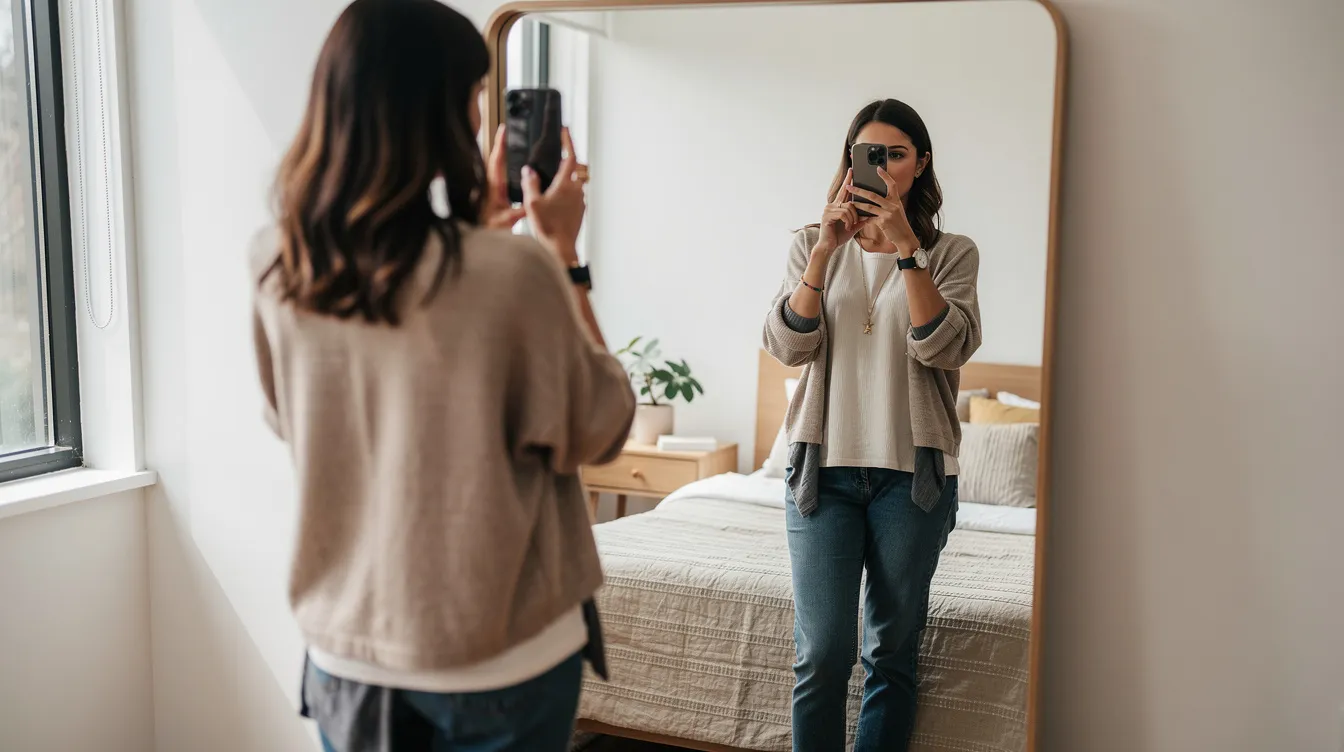
Take daily full-length outfit selfies for at least two to four weeks. Include workdays, weekends, and evenings out. Taking outfit selfies can reveal your style preferences more honestly than any quiz. Use an outfit tracking app or a simple phone album and log each photo with the date, occasion, weather, comfort level, and a quick 1–10 feel good rating.
At the end of the month, review the photos. Analyzing daily outfits can reveal comfort and style preferences you didn’t consciously notice. Look for patterns in:
- Silhouettes: Are you reaching for wide-leg pants or skinny fits?
- Fabrics: Cotton and linen, or stretch and polyester?
- Colours: Mostly neutrals, or pops of colour?
- Recurring items: That one navy blazer showing up every Monday?
Identifying your go-to outfits helps define your style. Make two short lists: “Outfits I loved wearing” and “Outfits I couldn’t wait to take off,” with two or three reasons under each. Auditing favorite outfits like this helps identify common elements-the stuff that actually works versus what just takes up closet space.
Research suggests most people start to find patterns after about four to six weeks of consistent tracking.
Clarify Why You Get Dressed (Beyond “Looking Cute”)
Clothing should align with personal values and self-expression, not just trends. Style is a tool: your clothes support your life goals, daily routines, and how you want to be perceived-on Zoom, in-office, at a social event.
Write down your main weekly contexts. For example:
- Hybrid office, three days a week
- Weekend errands and childcare
- One or two social nights per month
Next, note how you want to feel in each context: grounded, powerful, playful, creative, relaxed.
The three-word method helps define how you want your clothes to feel. Choose three adjectives you’d love others to use when describing your style-say, “polished, relaxed, creative”-and treat them as a loose compass for every purchase and outfit decision.
Try these reflection questions: When did I last feel incredibly myself in an outfit? and When did I feel like I was in costume? Whether you’re a remote freelancer, a new mom, a student, or a corporate professional, the answer will reveal deeper style intentions than any trend report.
Know Your “Nos”: The Fastest Way to Narrow Your Style
It’s often easier to define personal style by identifying what you never want to wear again than by chasing endless “must-have” lists. Create a list of personal nos to simplify choices and speed up every shopping trip and morning routine.
Hard no list (items you hate and will never wear again):
- Low-rise jeans that require constant adjusting
- Scratchy synthetic fabrics against skin
- Dry-clean-only blouses for weekday commuting
Soft no list (items reserved for specific contexts only):
- Bodycon dresses only for parties
- Heels only for short events, never commuting
- Beige knits that wash out your face unless layered under a jacket
This “no” list becomes a filter for both shopping and closet edits. If a garment matches multiple nos-itchy, pulls across the bust, requires a tricky bra-it doesn’t come home. And if it’s already in your closet, it’s a candidate for removal. The answer to “should I keep this?” gets a whole lot faster.
Understand Your Body Shape (and Where Kibbe Fits In)
Understanding your body shape is about making clothes work for you-not shrinking yourself to match a trend. Certain styles fit body shapes better, and that alignment naturally boosts confidence.
Common body types and what each person typically notices when trying on clothes:
| Body Type | Common Fit Issue |
|---|---|
| Rectangle | Waist definition is hard to find |
| Pear | Thigh pulling, waist gaping in pants |
| Inverted triangle | Shoulders overwhelm narrow hips |
| Hourglass | Waist-to-hip ratio makes sizing tricky |
| Apple | Midsection fit dominates decisions |
The Kibbe body type system goes deeper. Introduced in 1987, it organizes physical traits along a yin–yang spectrum-soft versus angular features, curve versus straightness-across 13 image identity types. If you enjoy detail, it’s worth exploring as a more nuanced way to figure out which silhouettes and shapes naturally suit your figure.
Simple at-home steps: Stand in front of a full-length mirror wearing neutral, fitted clothing. Notice your shoulder-to-hip ratio, waist definition, and the line of your arms and legs. Are your features more angular or rounded? This gives you a starting point.
Then experiment. Choose one or two silhouettes to test this week-A-line skirts, straight-leg jeans, soft shoulder jackets-and photograph the results. Experimenting with volume can add visual interest to outfits, and pointy shoes can elongate the silhouette for certain body types. But remember: dressing only to enhance body shape can sometimes limit personal style. Use these guidelines as a starting point, not a rule book.

Use Colour Analysis to Build a Palette You Actually Wear
Seasonal colour analysis divides people into spring, summer, autumn, and winter categories based on undertone, depth, and intensity. The goal of colour analysis is to enhance your look by matching colors to your natural appearance-your skin, eyes, and hair.
Try a simple at-home experiment: hold a cool pink top and a warm coral top near your face in natural daylight. Note which makes your skin look brighter and your eyes clearer. That’s your first clue about undertone.
Key dimensions to notice:
- Warm vs. cool: Gold or silver jewellery-which makes you glow?
- Light vs. deep: Do pastels or rich tones suit you better?
- Soft vs. bright: Muted earth tones or saturated jewel tones?
For example, pure white might wash some women out while cream looks infinitely more flattering. Colour analysis benefits everyone, including people of color-the point is always enhancement, not restriction.
A 2024 study of 350 young adult women found that those who had personal color consulting reported significantly higher satisfaction and confidence in their appearance (p < .01).
Pick a provisional colour family and build a mini palette of five to seven colours you feel comfortable in. Of course, colour analysis is a guide, not a prison-you can still wear “wrong” colours away from the face, in prints, or as accessories.
Play With Style Types, Quizzes, and Inspiration Boards
Once basics like fit and colour are clearer, personality and mood take center stage. Common style types-Classic, Chic, Bohemian, Minimalist, Streetwear, Romantic, Avant-Garde-give you vocabulary, though most people are a blend of two or three.
Looking at style icons can help clarify what you’re drawn to. Classic style types often admire celebrities like Reese Witherspoon. Chic style types are inspired by Victoria Beckham and Natalie Portman. Bohemian style is often associated with Sienna Miller’s fashion choices, while whimsical style types enjoy bold prints and colors like Blake Lively. Avant-garde style is characterized by unconventional designs like Margiela’s. Fashion journalist rachel tashjian has also become a go-to voice in the fashion industry for women looking for a more intellectual, less trend-driven approach to dress.
Take a short style quiz online and use the results as a starting point-not a diagnosis-to generate keywords like “tailored,” “edgy,” or “soft.” Short quizzes of three to seven questions see 65–85% completion rates, so you don’t need to commit hours.
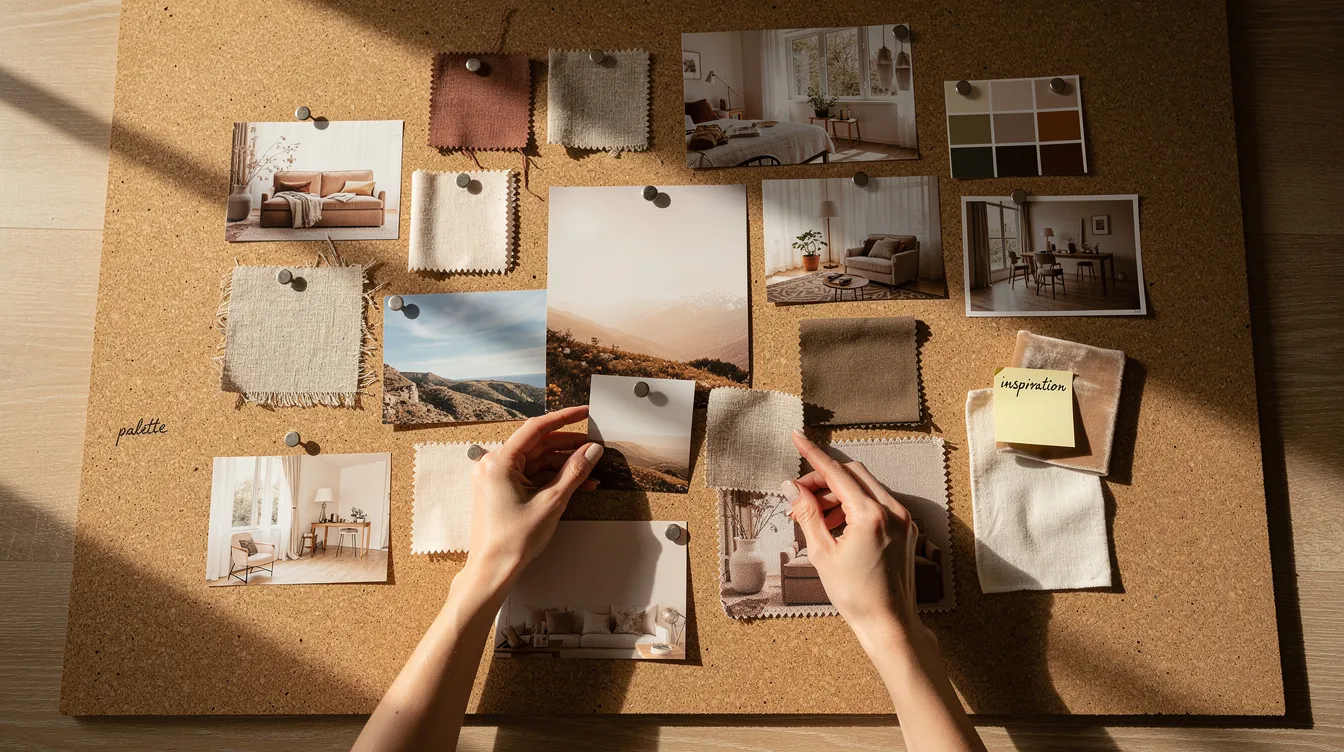
Then create a pinterest board or digital mood board. Save 30–50 images over one week: outfits, interiors, art, places that make your head turn. Creating mood boards helps identify recurring themes in your personal aesthetics. Review and list what repeats: colours, shapes like oversized coats or structured blazers, and details such as texture-whether you’re consistently drawn to smooth leather, nubby knits, or fluid silk-along with the overall vibe-quiet luxury versus maximalist. That’s your inspiration map.
Shop Without Buying: Train Your Eye Before You Spend
“Practice shopping” is a cool way to refine personal style without the cost and clutter of constant hauling. Experimenting with clothing is essential for discovering personal style, but you don’t have to swipe your card every time.
Try this: visit an online shop or physical store once a week, add items to a wish list or cart, and walk away without purchasing. Later, review what you saved and ask:
- Do I like the new item itself-or the styling, branding, or model?
- Would this work with my current wardrobe and life?
- Does it match my colour palette, body shape notes, and “no” list?
Note the patterns in what you bookmark. Maybe it’s always black wide-leg trousers, always silver jewellery, always structured bags. That’s your style direction sharpening in real time-before you’ve spent a thing. You’ll discover what you’re genuinely drawn to versus what a brand or algorithm pushed on you.
Align Your Wardrobe With Your Real Life
Be honest: many people’s closets are filled for an imaginary life-endless parties, constant travel-instead of their real 2026 routines. Your wardrobe should serve your day-to-day life and activities.
Estimate percentages of your week:
- 60% work (hybrid office or remote)
- 20% casual errands and weekend
- 10% social events
- 10% special occasions
Compare that against the types of clothing currently in your closet. If 40% of your wardrobe is going-out wear but you go out twice a month, something is off.
Identify five to ten MVP items you’ve worn at least weekly over the past three months-black trousers, white sneakers, a navy blazer. Consider how often you wear items to evaluate their real value. Analyze what makes each one successful: fit, comfort, colour, ease of matching, interchangeability.
Prioritize upgrading these MVP categories-same role, better quality or fit-before buying entirely new, untested silhouettes. A realistic wardrobe plan reduces decision fatigue and impulse buys. For example, a commuter might invest in a second pair of flattering loose trousers rather than a fifth party top. A remote freelancer might upgrade their everyday knit rather than a suit they’ll wear once a year.
Maintain and Evolve Your Personal Style Over Time
Personal style is not fixed. Identifying personal style is an evolutionary process-it will shift with new jobs, cities, body changes, and even world events. That’s a feature, not a flaw.
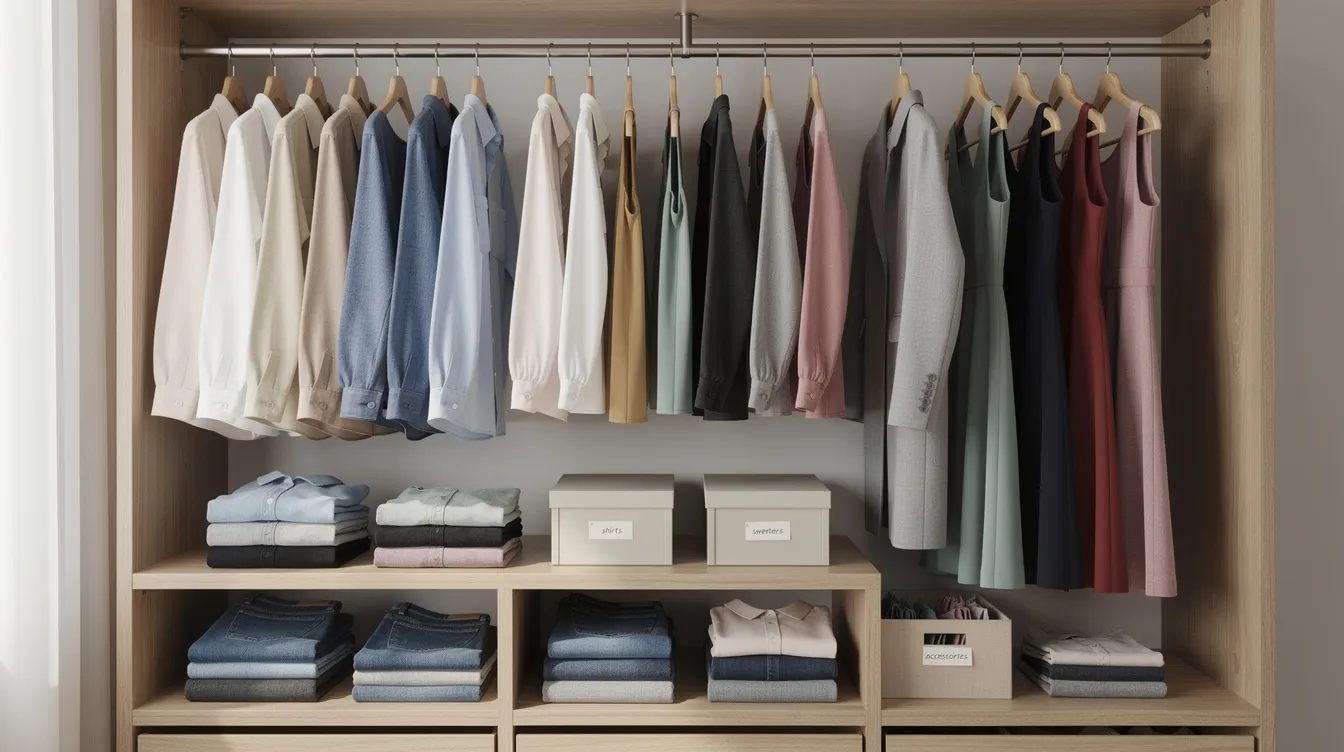
Regularly cleaning out the closet can help assess what fits and serves your style. Schedule a quarterly one-to-two-hour closet review. Ask:
- What have I actually worn this season?
- What no longer fits or feels right?
- What gaps have appeared?
Keep a running note on your phone of style experiments you want to try each season. For example, a fall goal might be: test structured outerwear, try loafers instead of sneakers. Make these small, low-risk experiments-one new silhouette, one new colour, one new accessory at a time-rather than drastic overhauls.
Regularly assess your closet to refine your personal style over time. Consistency doesn’t mean wearing the same thing forever. It comes from repeated favourite elements-shapes, colours, details-that stick even as individual pieces and trends change. According to one wardrobe-building framework, foundational pieces solidify in the first year, with true signature style crystallizing over several years of patient experimentation. Give yourself that time. The sense of knowing exactly what to wear will come bit by bit.
FAQ
How long does it really take to find your personal style?
Most people start noticing clear patterns after four to six weeks of outfit tracking and intentional reflection. A truly settled sense of style-where getting dressed feels effortless-can take several months to a year of small experiments. You don’t need to wait to feel stylish, though. Start dressing more intentionally as soon as you spot a few consistent wins in your existing outfits. Many in the fashion community have found helpful guidance simply by photographing what they already own.
Do I need a personal stylist to figure out my style?
A personal stylist can accelerate the process, especially during major life transitions like a career change or postpartum period. But most people can achieve strong results independently. By using outfit photos, a style quiz, colour analysis resources, and honest closet edits, you have everything you need to discover what works. A stylist becomes most valuable for refinement, not the initial discovery.
What if my body shape changes over time?
Body shapes naturally shift with age, pregnancy, weight changes, and hormones. Your bone structure stays stable, but how a garment fits your figure will evolve. Re-check fit and silhouette preferences at least once a year. Update go-to cuts-jeans rise, waistband style, bra shape-to match current proportions rather than clinging to what worked five years ago.
Can I have more than one personal style?
Absolutely. It’s normal to have different style modes for work, weekends, and special occasions. The key is to create common threads tying them together: a signature colour, a favourite shoe shape, or a consistent jewellery style. Identity research confirms that people naturally have different style clusters for different life contexts, and that’s expected-not a sign of confusion.
How do I avoid getting trapped by trends while still looking current?
Avoid trends that don’t resonate with your core style. Treat trends as a buffet: sample those that align with your body type, colour palette, and style adjectives, and ignore the rest. Invest in timeless, well-fitting base pieces and play with trends mainly through lower-cost accessories, prints, or one experimental silhouette per season. That way you look current without losing the thread of who you are.