Fashion trends are a reflection of cultural, social, and aesthetic changes, with art serving as a significant source of inspiration that influences how individuals express themselves through clothing and accessories. Understanding what drives these shifts—including inspiration from art and society, which are key drivers in the development of fashion trends—and how to read them gives designers, brands, and everyday consumers a significant advantage.
Key Takeaways
- A fashion trend is a recurring style pattern (colors, fabrics, silhouettes, or full aesthetics) that gains popularity within a specific time and cultural context, often within a short period, making certain styles widely recognized as fashionable, shaped by technology, pop culture, and the fashion industry.
- Trends move through a cycle: emergence from runways and street style, adoption by early adopters and social media, then saturation or decline.
- Trend forecasting—both short term and long term—helps brands, designers, and retailers anticipate what consumers will want to wear 1–3 years ahead.
- Understanding the main types of trends (megatrends, macrotrends, microtrends) helps professionals decide where to invest time, budget, and creativity.
- Tools like Google Trends, runway reports, and street observation combine to reveal where the latest fashion is heading.
What Is a Fashion Trend? (Fast, Simple Definition)
A fashion trend represents a set of preferences, styles, or patterns that become popular within a specific period of time, influenced by a dynamic process involving designers, brands, influencers, and consumers. Think “Y2K denim in 2024–2025” or “quiet luxury tailoring after 2022.”
The difference between fashion and a fashion trend matters: fashion is the broader system and culture of dress, while a trend is a focused movement within that system—like cargo pants or ballet flats making a comeback.
Recent examples include:
- For instance, Barbiecore (2023’s hot pink explosion)
- Gorpcore outerwear
- Genderless streetwear
- 90s straight-leg jeans
Trends apply to colors (chocolate brown), prints (zebra or checkerboard), textiles (recycled materials), or full aesthetics (cottagecore, blokecore). In fashion, a trend is identified when the same pattern is repeated multiple times across different contexts—runway shows, social media, street style—indicating its establishment. When a particular style is worn by celebrities or influencers, it can quickly become a trend and bridge the gap between high fashion and everyday wear. Some trends, especially microtrends driven by social media, only last a short time, sometimes just a few weeks or months. The fashion landscape is moving towards bold self-expression, maximalism, and creative nostalgia in 2026.
Why Do Fashion Trends Matter in the Fashion Industry?
Fashion trends shape what brands design products around, what retailers buy, and what consumers feel is current or dated. They act as a bridge between designers’ creative ideas and real consumer demand, reducing risk when planning collections.
Following trends isn’t about copying—it’s about understanding cultural shifts so garments feel relevant to current lifestyles and values. Ignoring major global movements like sustainability or size inclusivity can damage brand perception and hurt sales. Addressing customers’ preferences for eco-friendly fashion not only supports sustainable design practices but also enhances customer satisfaction and engagement.
Economic uncertainty influences consumer demand for high-impact, statement pieces in fashion design. Maximalist prints and bold block colors are replacing neutral palettes in fashion aesthetics. For individuals, trends provide a shared visual language—a form of non-verbal communication that helps people express identity, mood, profession, and social belonging.
How Do Fashion Trends Start and Spread?
Trends evolve through a complex interaction of cultural, social, technological, and economic factors, which influence their emergence and lifespan. The process combines top-down influence (luxury fashion shows and designers) with bottom-up energy (street style and youth culture), and brands and forecasters must stand out to capitalize on new trends.
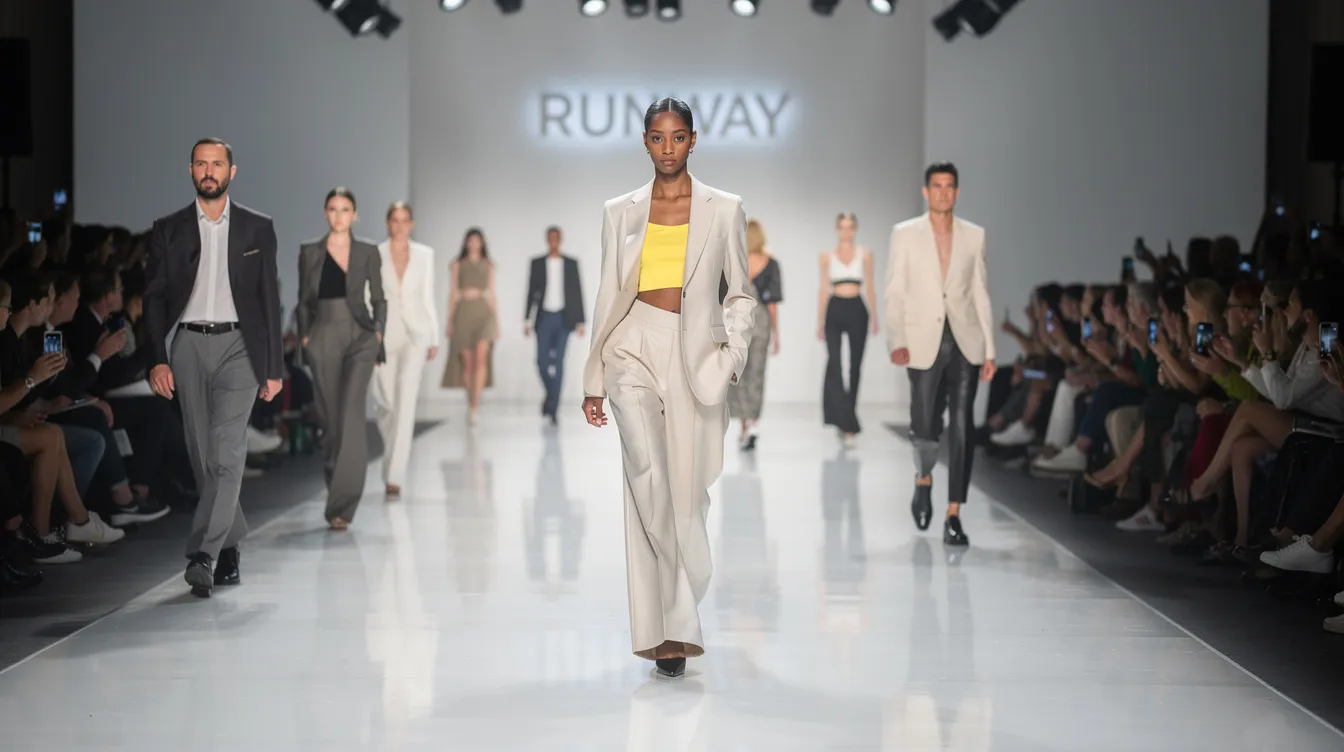
Runway fashion shows in Paris, Milan, London, and New York introduce silhouettes, color stories, and styling that filter into high-street fashion within 6–18 months. Meanwhile, subcultures—skaters, club kids, K-pop fans—start bottom-up trends that brands later adopt.
Key cultural drivers include:
- Music scenes and film releases (like “Euphoria” or “Barbie”)
- Political and social movements
- Economic moods that shape whether people want maximalism or minimalism
Maintaining a curious mindset is essential for identifying emerging trends from diverse sources, including pop culture, global issues, and political movements.
Cultural movements and social events, such as changes in gender norms and movements for equality, significantly influence fashion trends. The trend toward individual expression in fashion is characterized by authenticity and mixing styles.
From Observation to Viral Fashion Trend
The digital age has accelerated the trend cycle, allowing trends to spread rapidly through social media, where a viral outfit can inspire thousands of designers and brands almost overnight. Trend forecasters and editors first observe small recurring patterns—like repeated red tights at fashion week—before labeling them as potential trends.
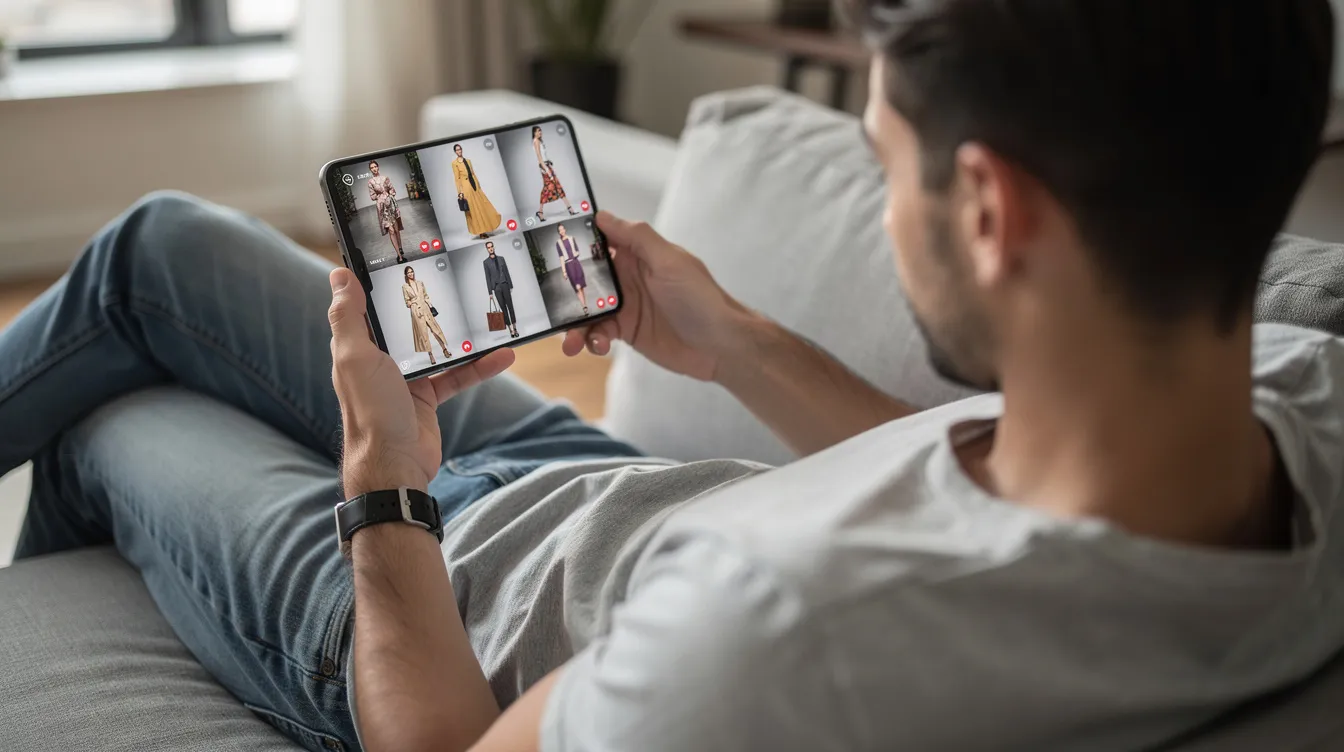
Social media platforms like Instagram and TikTok can turn an outfit into a viral trend within hours, showcasing the rapid influence of digital platforms on fashion trends. These platforms, along with virtual showrooms and design software, enable users to explore different fashion concepts and trends, experimenting with styles and fabrics in creative ways. Influencers, celebrities, and stylists wear early versions of looks, making them aspirational and visible to millions.
The democratization of influence through social media means that anyone with creativity and a strong voice can shape trends, allowing subcultures and niche communities to set global movements. Viral videos, outfit challenges, and influencer collaborations create a constant flow of content that allows for greater diversity in trend creation and faster trend cycles.
Brands quickly respond by producing accessible versions, which appear in online shops and fast fashion retailers within weeks.
Main Types of Fashion Trends (From Mega to Micro)
Fashion trends can be classified into three main categories: megatrends, macrotrends, and microtrends. Not all trends are equal—some represent structural long term trend shifts, while others are fleeting styles that vanish quickly.
Knowing the difference helps designers and buyers decide which trends are safe investments and which should be used sparingly.
Megatrends: Deep, Long-Term Shifts
Megatrends are global movements that have a profound and long-term impact on fashion, often influenced by technological advancements, environmental concerns, or social transformations. They last 5–20 years and change how people wear clothing across categories.
Current examples:
- Sustainability and transparency in manufacturing (post-2015)
- Size and gender inclusivity (late 2010s onward)
- Casualization of workwear (accelerated 2020–2022)
The rise of sustainability in fashion is a trend that has emerged in response to environmental and ethical concerns, reflecting broader societal values. Sustainability and transparency in manufacturing are increasingly prioritized by consumers in the fashion industry.
Circularity is a primary growth driver in fashion, with second-hand markets expected to grow 2–3 times faster than traditional retail by 2027. Brands can safely build core collections around megatrends because they won’t vanish quickly.
Macrotrends: Multi-Season Themes
Macrotrends develop over shorter periods than megatrends but still have a significant impact on the industry. A macrotrend can last anywhere from 5 to 10 years, depending on global context.
Examples include:
- The return of 90s minimalism after 2018
- Chunky sneakers and straight-leg jeans (2017–2022)
- Dopamine dressing (2021–2023)
The nostalgic revival of 90s and Y2K aesthetics offers a sense of connectedness to a pre-social media era in fashion. Macrotrends translate megatrends into specific looks—earthy color palettes, upcycled denim, or gender-fluid tailoring. They guide color cards, key item lists, and fabric choices for multiple seasons.
Microtrends: Fast, Often Viral Fads
Microtrends are niche trends that can emerge and disappear within weeks or months, primarily driven by social media. They’re highly visible but carry production risk.
Examples:
- Tiny shoulder bags (2019–2021)
- Cottagecore dresses (trending heavily in 2020)
- Crochet balaclavas and zebra-print skirts
Over-reliance on microtrends contributes to overproduction and waste—conflicting with sustainability megatrends. Designers can selectively incorporate microtrends via prints, accessories, or limited drops rather than building entire collections around them.
How Trend Forecasting Works in Fashion
Trend forecasting is the professional practice of predicting upcoming trends by analyzing data, culture, and consumer preferences 1–3 years ahead. Trend forecasters analyze cultural, economic, and pop culture trends to predict how they will influence fashion choices and consumer behavior.
There are two main types of trend forecasting: short term, which focuses on immediate changes, and long term, which looks at trends over two years in advance. Trend forecasting agencies like WGSN and Fashion Snoops help brands design products and advise on market timing and product longevity. Additionally, Vogue, through its influential publications and educational programs, plays a key role in teaching trend forecasting and shaping fashion image development.
Trend forecasters use tools like mood boards to curate visual directions for businesses, ensuring all departments are aligned with upcoming trends.
Short Term Trend Forecasting
Short term forecasting focuses on the next 12–24 months—specific seasons like Spring/Summer 2027. Forecasters track fast-moving elements:
- Hot color palettes
- Key prints and patterns
- Must-have accessories
- Emerging street style looks
They rely on real-time inputs: TikTok trends, Instagram street style, fashion shows, retail sell-through data, and influencer outfits. This type of forecasting is crucial for fast fashion brands updating collections weekly. Key trends in 2026 fashion focus on high-impact textures, bold colors, and a blend of rugged utility with soft romanticism.
Long Term Trend Forecasting
Long term forecasting looks 2–10 years into the future, focusing on lifestyle shifts, technology, and cultural values rather than specific items. Forecasters analyze demographics, climate change impacts, economic forecasts, and technological innovation.
Technologies like AI and 3D prototyping are foundational in fashion, significantly reducing waste by cutting sample production by up to 90%. This supports strategic decisions like shifting to circular production models, investing in 3D design, or expanding gender-neutral lines.
Where Do We See Fashion Trends? Key Sources and Signals
Fashion trends leave visible signals across different layers of culture—from catwalks to everyday streets. No single source is sufficient; accurate trend reading requires combining multiple perspectives.
Runway Fashion Shows and Fashion Weeks
Major fashion weeks (Paris, Milan, London, New York, Copenhagen, Seoul) reveal designers’ visions one or more seasons ahead. Editors and buyers watch for repeating themes across brands: recurring colors, repeated silhouettes, consistent styling.
Livestreams and digital presentations since 2020 have made high fashion shows accessible worldwide, speeding up trend diffusion.
Street Style and Subcultures
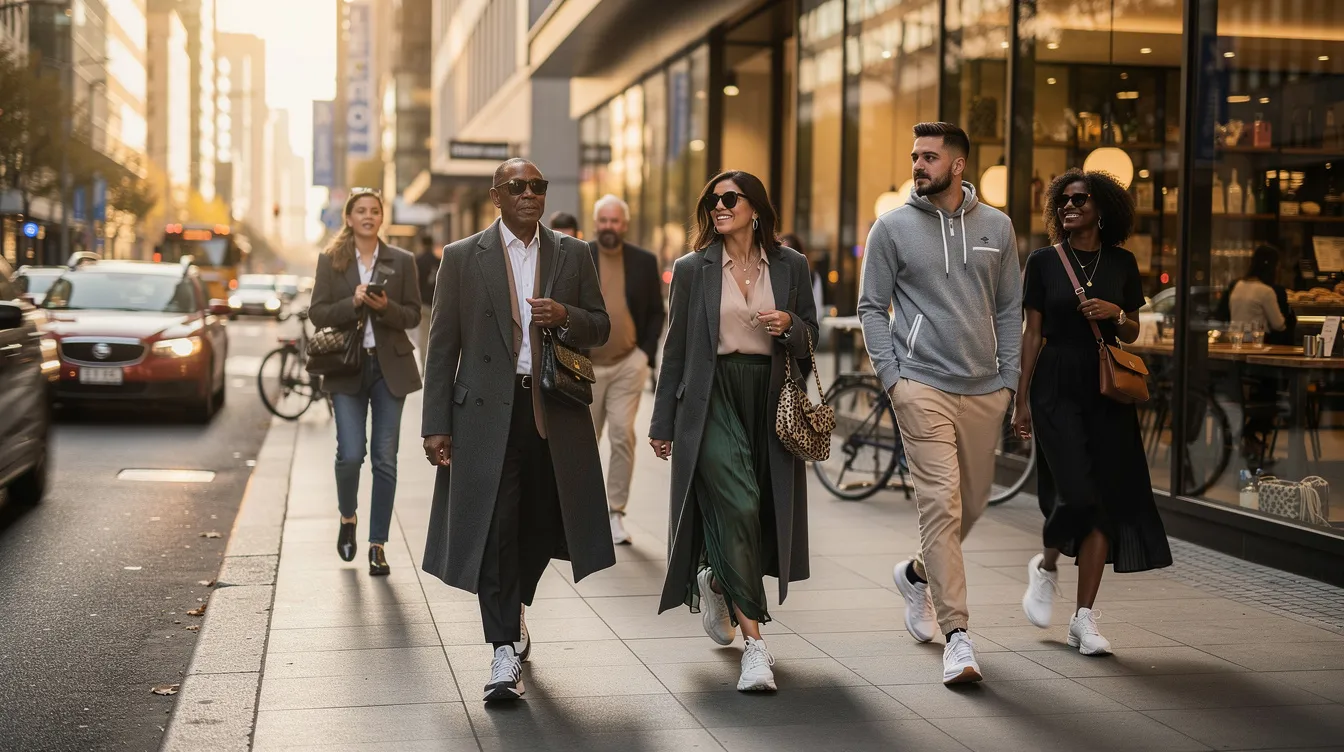
Street style captures what people actually wear in fashion-forward cities like Tokyo, London, New York, and Berlin. Street-style photographers and local subcultures frequently start new trends from the ground up.
Examples include oversized hoodies and chunky sneakers from skate and hip-hop communities becoming mainstream in the late 2010s. Observing street style is essential for capturing authentic, wearable versions of high-concept trends.
Social Media, Search Data, and Google Trends
Social media both creates and measures fashion trends in real time. Hashtags like #streetstyle, #quietluxury, or #coquette quickly cluster outfits into recognizable movements.
Tools like Google Trends and Pinterest Trends show which items—“Mary Jane shoes 2025” or “cargo skirts”—are gaining interest in specific regions. Brands combine this digital data with sales analytics (clicks, wishlists, returns) to refine predictions.
How to Use Fashion Trends Without Losing Your Style
Understanding fashion trends doesn’t mean blindly following every fad. The goal is to filter trends through a brand identity or personal style, keeping only what feels authentic and functional.
For professionals: map trends against target audience, price point, and category before adopting them.
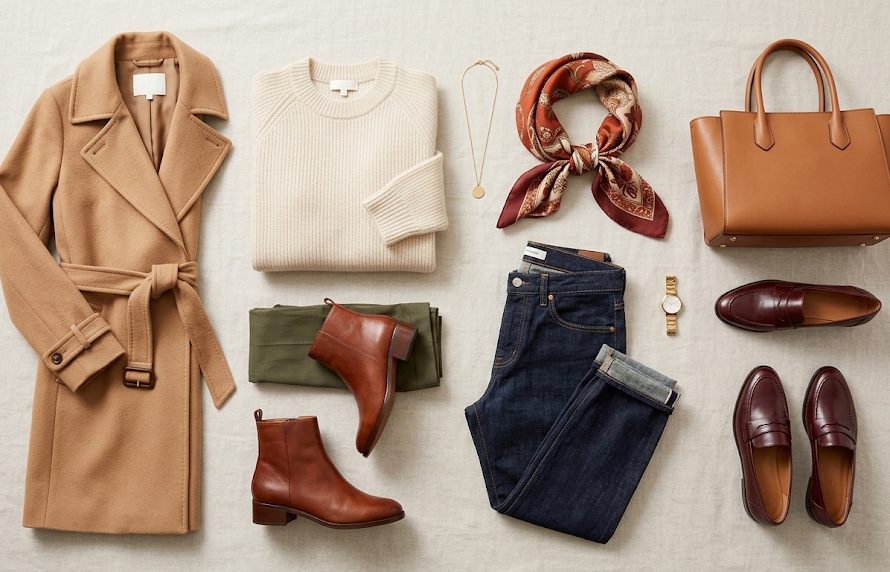
For individuals: choose 1–2 trends per season and integrate them through accessories, colors, or one statement piece. Timeless items—a well-cut blazer, classic denim—can anchor trend-driven pieces, balancing novelty and longevity.
Selecting Trends That Fit Your Brand or Wardrobe
Not every trend aligns with every brand or person. Selection should be guided by core values, lifestyle, and budget.
Steps for smart selection:
- Identify 3–5 brand or personal keywords (minimal, tailored, modern) as a filter
- Choose trends that complement existing wardrobe basics
- Consider practicality: climate, dress codes, daily activities
- Prioritize trends that enhance functionality rather than pure novelty
A minimalist brand might interpret a maximalist trend by incorporating ruffle details on understated neutral pieces—maintaining brand coherence while demonstrating trend awareness.
FAQ
How long does a typical fashion trend last?
Microtrends might last only a few months, macrotrends usually stay relevant for 2–5 years, and megatrends can shape fashion for a decade or more. Digital media in the 2020s has shortened many cycles, but values-driven movements like sustainability remain long term. The lifespan also depends on region and age group.
How can someone spot a new fashion trend early?
Watch runway recaps from major fashion weeks alongside street-style galleries, looking for repeating elements. Check TikTok, Instagram, and Pinterest for rapidly growing hashtags. Use Google Trends to see if searches for specific items are climbing. Observe what fashion-forward friends and creatives wear before the market catches on.
Do you need a professional trend forecaster to follow fashion trends?
Big brands use dedicated trend forecasting agencies, but individuals and small labels can rely on free signals: fashion shows, social media, and search data. Building a simple routine—monthly runway review, weekly social scroll, seasonal store visits—provides solid market awareness without major investment.
What is the difference between a fashion trend and a personal style?
Fashion trends are collective movements; personal style is how someone combines clothes over years. Trends come and go, but style builds slowly through preferences, body awareness, and lifestyle. People with strong style use trends selectively, choosing elements that fit their established aesthetic.
Can following too many fashion trends be harmful?
Constantly chasing every microtrend leads to overconsumption, wasted money, and a wardrobe of quickly dated pieces. Rapid turnover contributes to textile waste. A balanced approach prioritizes long-lasting items and uses trends as seasonal accents. Both consumers and brands benefit from focusing on long term directions rather than fleeting viral moments.