Originating from Africa and Asia, hibiscus (Hibiscus sabdariffa), also known as bissap or roselle, is much more than a refreshing drink. Rich in antioxidants, it has become a star ingredient in natural beauty care. Whether you’re looking to support heart health, boost your immune system, or to get a glowy drink, hibiscus tea is a delicious and beneficial choice.
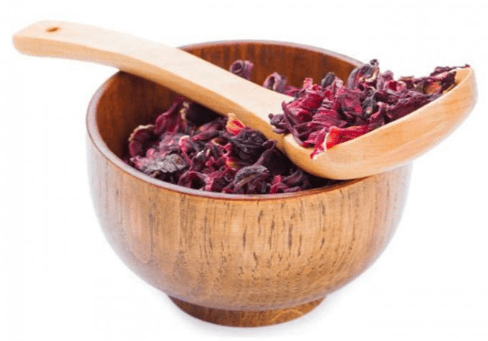
Top health benefits of hibiscus tea
1. Can hibiscus tea cause high blood pressure ?
Hibiscus tea is famous for its ability to and support cardiovascular health. Studies show that drinking 1–3 cups daily can help reduce systolic blood pressure, especially in those at risk of hypertension.
2. A great antioxidant
Rich in antioxidants, hibiscus tea combats free radicals, which are chemicals that hasten aging and are linked to long-term conditions like diabetes and cancer. Because of its natural sweetness and low calorie content, hibiscus tea may help reduce body fat and curb cravings.
3. Weight loss
Looking to shed a few pounds? Hibiscus tea may help , thanks to its low-calorie content and natural sweetness.
4. Immune system booster
Hibiscus tea strengthens your immune system, helping you fend off colds, flu, and infections. Hibiscus tea boosts your immune system and helps you fight off infections, colds, and the flu thanks to its high vitamin C content.
5. Liver and kidney protector
Hibiscus tea and may help . By aiding in detoxification, hibiscus tea promotes liver health and may help avoid kidney stones by eliminating toxins.
6. Glowing skin secret
The antioxidants in hibiscus tea and reduce oxidative stress, keeping your skin youthful and radiant.
7. Blood sugar regulator
For those managing type 2 diabetes, hibiscus tea may help and improve cholesterol profiles.
How much hibiscus tea should I drink per day?
Most research suggests that having 1–3 cups daily is safe and good for our health. Start with one cup to see how your body responds, and adjust as needed.
Is hibiscus tea good for pregnancy?
Because of the potential risks of uterine stimulation, hibiscus tea is generally not advised during pregnancy. If no symptoms appear at 24 weeks, a small amount is unlikely to be harmful. However, regular or large amounts of hibiscus should be avoided by pregnant women.
How does hibiscus tea taste?
There are so many uses for hibiscus tea! Give it a try:
- Warm or chilled with a squeeze of lime or a small amount of honey.
- As a foundation for mocktails or cocktails.
- Combined with additional herbs for flavor, such as lemongrass or mint.
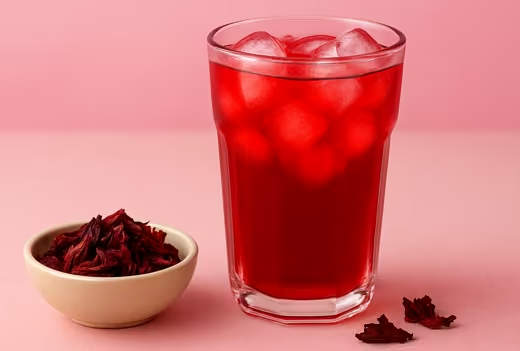
Beauty benefits and uses of hibiscus tea
Hibiscus is easily recognized by its deep red calyces, green leaves, and delicately colored flowers. It is used in the form of dried flowers, powder, or infusion — both as a drink and in cosmetics.
Beauty benefits of hibiscus
- Rich in vitamin C and polyphenols: stimulates collagen and protects the skin from aging.
- Brightening and complexion-evening effect.
- Hydrates and revitalizes tired skin.
- Adds shine and strength to hair.
- Soothes the scalp and reduces dandruff.
Beauty recipes with hibiscus
Radiance and anti-aging face mask
Ingredients:
- 2 tbsp infused hibiscus flowers
- 1 tbsp plain yogurt
- 1 tsp honey
Preparation: Mix the ingredients, apply to the face for 15 minutes, then rinse with lukewarm water.
Benefit: Hydrates, brightens, and tones the skin.
Strengthening hair mask
Ingredients:
- Concentrated hibiscus infusion (3 tbsp in 200 ml water)
- 1 tbsp coconut oil or olive oil
Preparation: Mix the cooled infusion with the oil, apply to the hair, cover with a warm towel for 30 minutes, then rinse.
Benefit: Adds shine, strengthens, and soothes the scalp.
Toning Lotion
Prepare a hibiscus infusion, let it cool, and pour into a spray bottle. Use as a toner after cleansing the face.
Benefit: Instantly refreshes and revitalizes the skin.
Hibiscus is a natural and versatile ally: a healthful drink, a skincare treatment, and a hair mask. Its richness in antioxidants makes it an essential ingredient for radiant beauty — from the inside out.