Seasonal hair loss, especially during autumn, is a common concern for many people. While it can be alarming to see more hair in your brush or shower drain, seasonal hair shedding is often a natural part of the hair growth cycle. In this article, we’ll explore why hair loss in fall occurs, how long it lasts, and what you can do to manage it effectively.
What is seasonal hair loss?
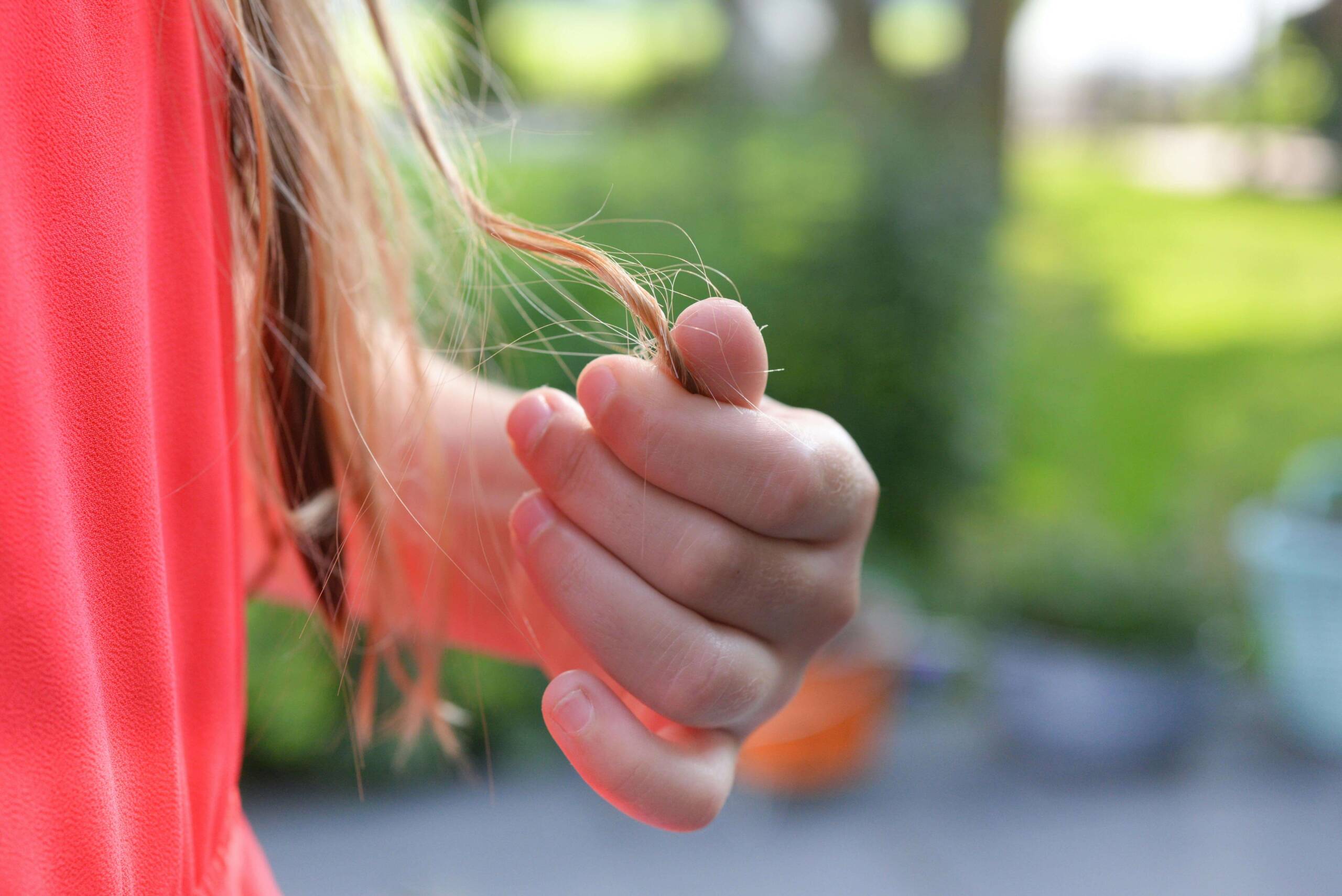
Seasonal hair loss, also known as seasonal shedding, refers to the increased hair fall that occurs during specific times of the year, particularly in autumn. This phenomenon is linked to the hair growth cycle, which is influenced by environmental changes, hormonal shifts, and even daylight exposure.
Why does hair loss increase in autumn?
Hair loss seasonal change
The body stores energy and resources in the fall to get ready for winter. As the hair growth cycle changes, this transition may cause hair loss in the fall. Increased shedding may also result from the scalp’s reaction to variations in humidity and temperature.
Does summer or winter cause more hair loss?
Although the most obvious hair loss occurs in the fall, some people also lose their hair in the summer as a result of sun exposure and dehydration. Nonetheless, the season with the highest rate of seasonal hair loss is still autumn.
How long does seasonal hair loss last?
When does seasonal Hair loss stop?
Typically, seasonal hair loss lasts between 4 to 6 weeks. Most people notice a peak in shedding during late September and October, with hair fall gradually decreasing by November.
How many hairs do we lose in a day?
Is losing 200 hairs a day normal?
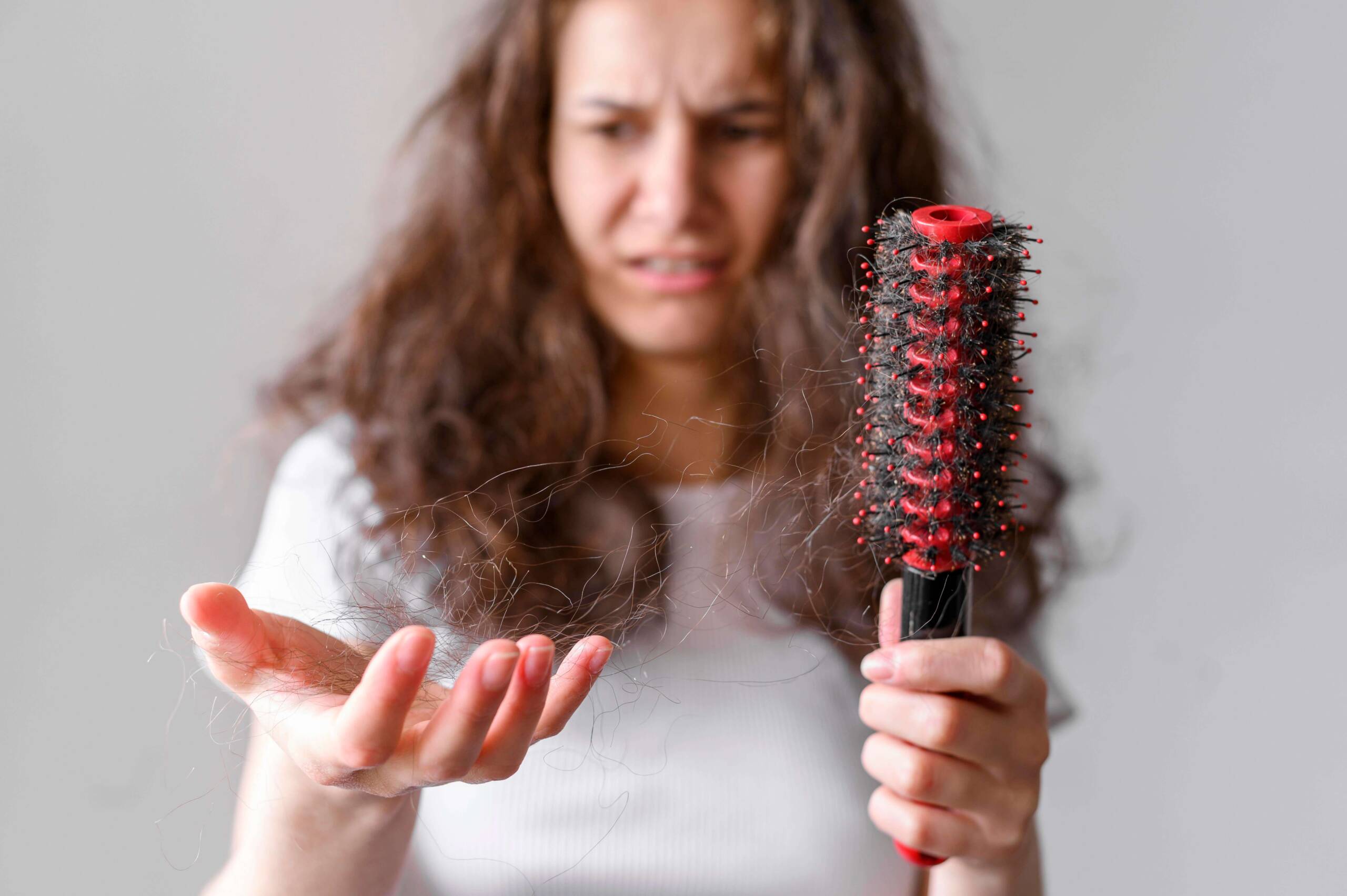
On average, losing 50 to 100 hairs per day is normal. However, during seasonal shedding, this number can increase to 150–200 hairs daily. If you’re losing significantly more than 200 hairs, it may be worth consulting a dermatologist.
Which month sees the most hair loss?
Fall is the peak season for hair Loss. According to research, October marks the peak of fall hair loss. In accordance with the natural hair cycle, the body sheds older hairs at this time to make room for new growth.
Does treatment for hair loss work?
Despite the transient nature of seasonal hair loss, some treatments can lessen shedding and encourage healthier hair:
How can seasonal hair loss be prevented?
Take into account the following advice to reduce seasonal hair loss:
- Treat your scalp to a massage
Celebrity hair colorist Josh Wood swears by the power of a good scalp massage. “Making it a regular part of your routine—whether weekly or monthly—can make a world of difference,” he says. Massaging your scalp boosts blood flow, which helps hair grow back stronger and faster.
- Give supplements a try
Even with a balanced diet, your hair might need an extra nutritional boost. If thinning hair is due to a vitamin or mineral deficiency, the right supplement can start showing results in as little as 6 to 12 weeks. Brands like Viviscal’s Maximum Strength supplements come highly recommended for anyone looking to give their hair that extra support.
- Be gentle with styling products
Hair loss consultant Lucinda Ellery advises against overloading your hair with styling products or harsh techniques. “Too much tension or product buildup can stress your hair follicles,” she explains. Instead, opt for a soft boar bristle brush, like those from Mason Pearson, to gently distribute your scalp’s natural oils from root to tip. Always start brushing from the ends and work your way up to avoid unnecessary breakage.
- Don’t skip the trim
It might feel counterintuitive to cut your hair when you’re trying to grow it, but Josh Wood insists that regular trims—every six weeks or so—are essential. “Light trims rejuvenate your hair, encouraging it to grow longer and stronger,” he says. Without them, split ends can travel up the hair shaft, causing damage that actually stunts growth over time.
- Rethink Your hairstyle
While we’re loving the comeback of ’80s scrunchies and pearl hair slides, some accessories can do more harm than good. Tight hairstyles create friction and tension, leading to breakage and even hair loss. If you love wearing your hair up, make sure to loosen it before bed to give your scalp a break.
- Ditch the heat when possible
Blasting wet hair with hot air is a common mistake that’s easy to fix. Instead, let your hair air-dry a bit first, then finish with a hairdryer or styling tool once it’s just damp. Pro tip: Gently pat your hair dry with a towel—rubbing can cause breakage over time.
- Try scalp makeup for a confidence boost
Colored hair thickeners or root cover-ups are a great temporary fix for thinning spots. They won’t solve the issue long-term, but they can work wonders for your confidence. For something more permanent, systems like Lucinda Ellery’s Intralace use a discreet mesh of human hair to cover thinning areas, allowing you to style and wash your hair as usual.
- Finish with a cold rinse
Yes, it might feel a bit shocking, but rinsing your hair with cold water after washing has serious benefits. It smooths the hair’s outer layer, locks in moisture, and prevents heat damage and tangles. Just five seconds under cold water can work wonders and it’s great for your circulation, too!
- Physical exercise for healthier Hair
Believe it or not, exercise plays a big role in hair health. The more active you are, the better your circulation and that means more blood flow to your hair follicles. So, whether it’s a brisk walk, yoga, or a gym session, keeping your body moving can help keep your hair strong and full.
This version keeps the advice practical and easy to follow while making it feel more personal and relatable.
Seasonal hair loss is a natural process, especially during autumn. While it can be concerning, understanding the causes and duration can help ease worries. By adopting gentle hair care practices and natural treatments, you can support your hair’s health and reduce excessive shedding.